If you’ve ever wondered how konjac products are made—whether it’s konjac noodles, vermicelli, or meal replacements—you’re not alone. Behind this plant-based health food is a carefully controlled process that ensures safety, consistency, and quality. Whether production takes place in traditional workshops or modern mechanized factories, the core steps remain the same.
In this article, we walk through the konjac manufacturing process step by step and explain what makes high-quality konjac products stand out in the market.
Overview of the Konjac Production Process
The general production flow includes:
Raw Material Screening → Milling → Formulation → Embryo Formation → Freezing → Thawing and Demolding → Shaping and Dehydration → Drying → Final Screening and Packaging
Let’s break down what each stage involves and why it matters.
Raw Material Selection: The Foundation of Quality
Konjac Tuber or Konjac Flour
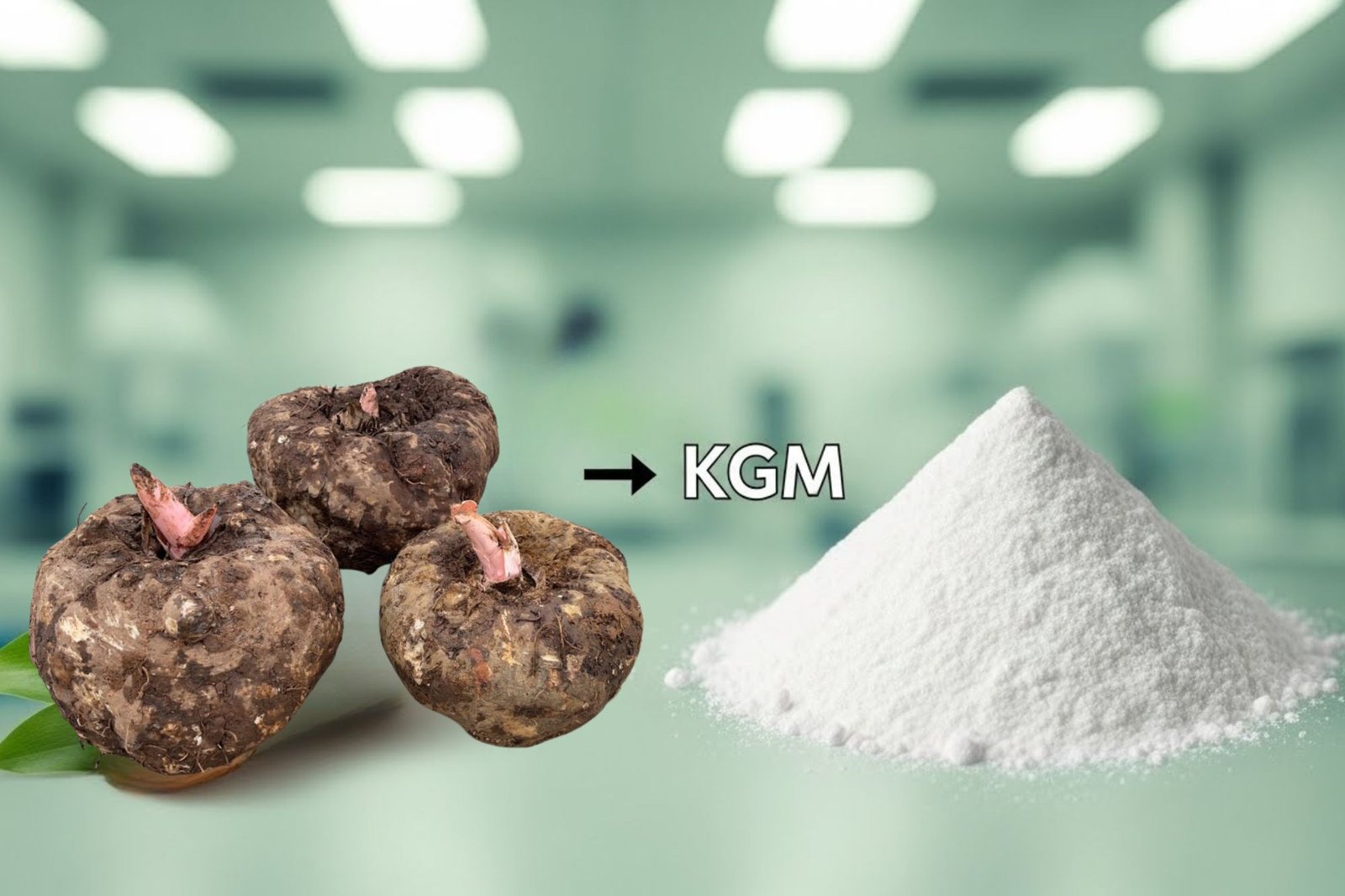
The primary ingredient in konjac products is the konjac tuber, which can be processed into refined konjac flour or used in the form of taro slices. For example, high-quality Snow Konjac from Mount Emei uses taro slices harvested in the same year.
Key criteria for raw konjac material:
- Dry and firm, white or light yellow in color
- Moisture content below 15%
- Free of mold, burnt spots, or damage
- Peeling rate above 85%
- Compliant with food hygiene regulations
Rice as a Secondary Ingredient
Some konjac products, especially vermicelli, include rice in the mix for texture or structure. The rice should be:
- Fresh, not moldy or insect-damaged
- Free from rot
- Moisture content under 15%
- Must meet national food-grade standards
Milling: Achieving the Right Particle Size
Both konjac and rice must be finely ground to 60–80 mesh particles to ensure smooth blending and consistent gelling. This uniform texture is critical for high-quality final products, especially noodles or konjac jelly.
Formulating the Recipe
The exact formulation is one of the most important factors in achieving the desired product characteristics.
A standard ratio for konjac vermicelli production might look like:
- Konjac flour: 38%–48%
- Rice: 50%–60%
- Additional agents (e.g., calcium hydroxide, texture enhancers): 0.1%–2%
This formulation may vary based on the product type, desired firmness, or regional taste preferences.
Shaping, Freezing, and Dehydration
Once the mixture is prepared:
- It is molded into desired shapes (like noodles or blocks)
- Then frozen to stabilize its structure
- Later thawed and demolded for further processing
After shaping, the product is dehydrated to remove moisture, which helps enhance texture, extend shelf life, and prepare the product for final drying.
Final Drying and Packaging
After dehydration, konjac products go through a controlled drying process to ensure they reach a stable, low-moisture state. The products are then screened for consistency, removing irregular pieces or defects, and finally packaged for distribution.
Modern facilities often use automated machines for this final stage, ensuring clean, hygienic, and efficient production that meets food safety standards.
Why This Matters for Buyers
Understanding the konjac production process is especially valuable if you are:
- A distributor or wholesaler seeking consistent product quality
- A private label brand looking to ensure food safety compliance
- A food entrepreneur or R&D team developing new konjac-based products
By sourcing from manufacturers that follow this standardized process and use reliable machines for milling, mixing, and drying, you ensure better product texture, safety, and customer satisfaction.