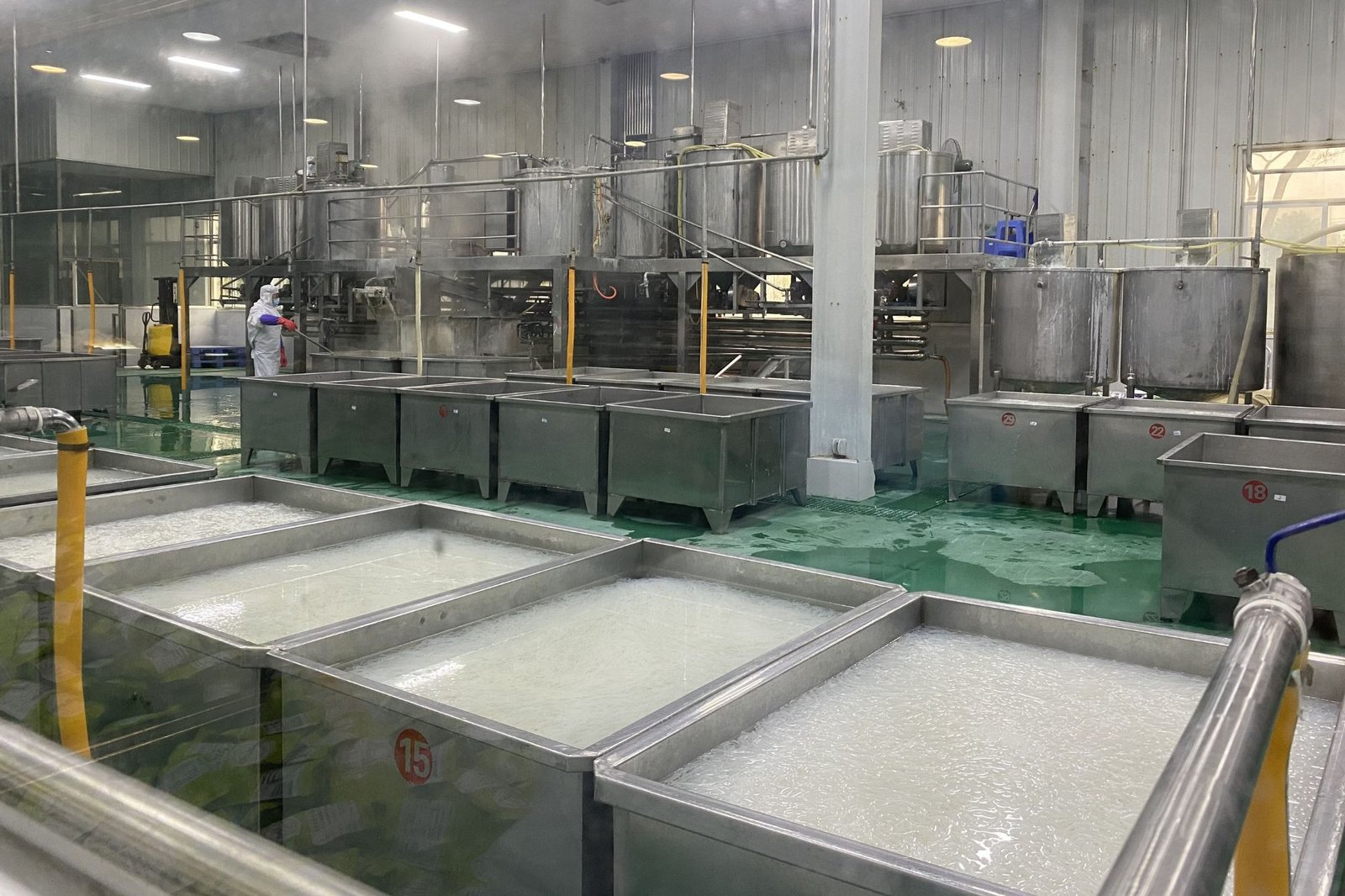
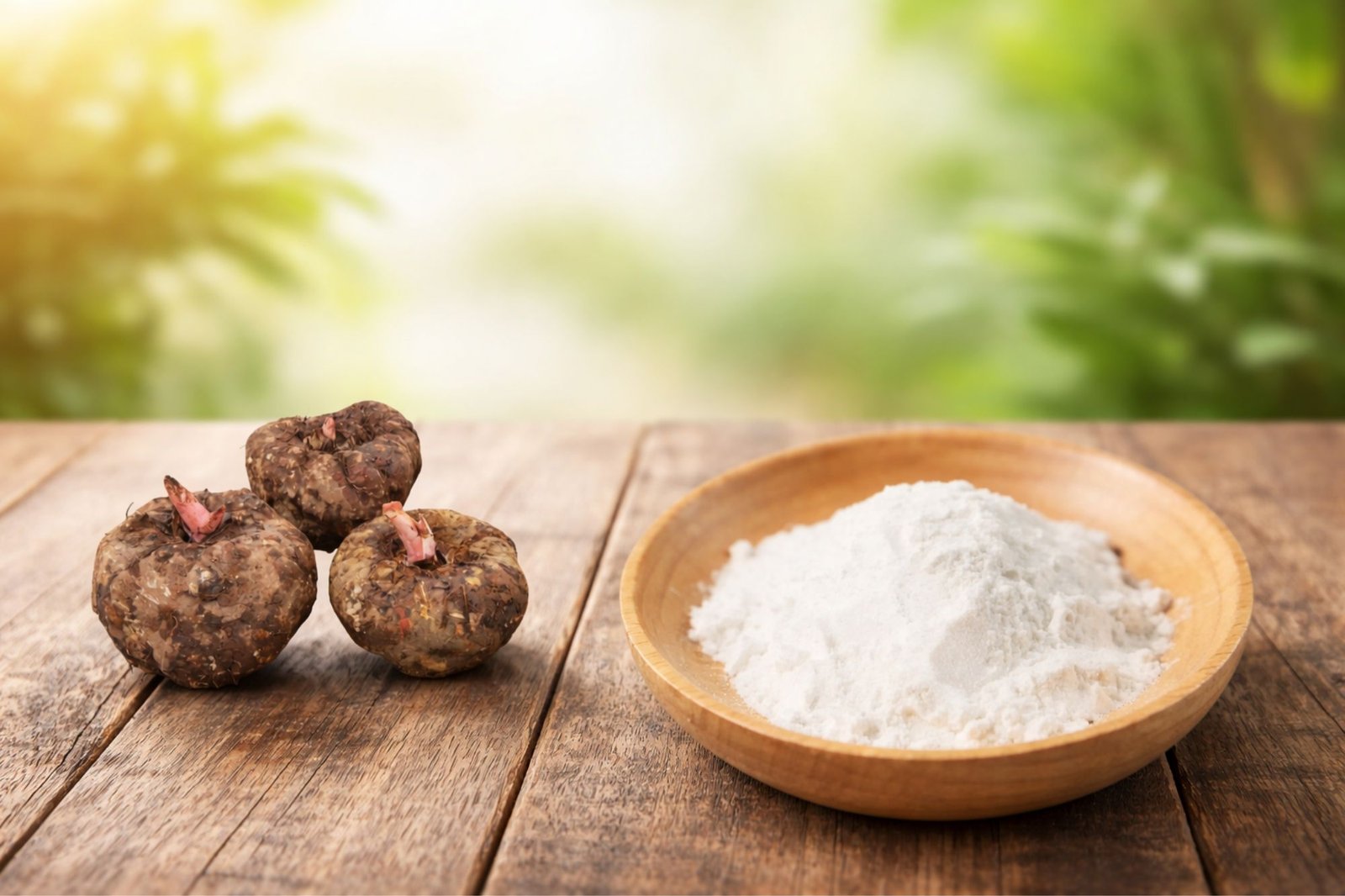
Industry Reality: Konjac glucomannan is widely used in modern food formulations for its exceptional water-binding, gelling, and texturizing properties. From low-fat meat products to clean-label beverages, konjac has become a strategic ingredient rather than just a functional additive. However, successful application depends not only on how much is added, but how, where, and why it is used.
Why Konjac Glucomannan Is Different from Other Hydrocolloids
Unlike starches or conventional gums, konjac glucomannan has an ultra-high molecular weight and a unique mannose–glucose backbone, delivering unmatched functional properties:
Key Advantages:
- Extreme Water Absorption – Up to 80× its weight in water binding capacity
- Superior Gel Network – Strong gel formation, especially with alkali or calcium
- Heat Stability – Non-melting gel structure under high temperatures
- Dietary Fiber Benefits – Clean label positioning as dietary fiber, not just texture modifier
Konjac vs. Common Hydrocolloids Comparison
| المكونات | الوظيفة الأساسية | Key Advantages | Main Limitations |
|---|---|---|---|
| Modified Starch | Thickening & binding | Cost-effective, familiar | Poor freeze–thaw stability |
| صمغ الزانثان | Viscosity control | Shear-thinning properties | Slimy mouthfeel at higher dosage |
| كراجينان | Gel formation & binding | Strong gel strength | Regulatory concerns, clean-label issues |
| كونجاك جلوكومانانان | Water binding + structure | Extreme water absorption, heat stability, clean label | Requires precise hydration control |
Key Takeaway: Konjac is best used as a structural ingredient, not a simple thickener. Its unique molecular structure creates three-dimensional networks that provide both texture and functional benefits.
Food Applications by Category
Noodles, Pasta & Grain-Based Products
Konjac glucomannan significantly improves texture, elasticity, and cooking stability in wheat, rice, and gluten-free systems.
Key Functional Benefits:
- Enhanced tensile strength and elasticity
- Reduced breakage during cooking and handling
- Improved surface smoothness and appearance
- Delayed starch retrogradation (slower staling)
- Better bite texture and mouthfeel
Recommended Dosage (dry weight basis):
- Wheat flour systems: 0.1%–0.3%
- Rice / legume flours: 0.2%–0.5%
- Root starches (potato, sweet potato): 0.5%–1.0%
Common Formulation Mistake: Overdosing konjac can inhibit protein hydration, resulting in uneven pores and dense texture. Always start with lower dosages and optimize upward.
Bakery Products (Bread, Cakes, Pastries)
In baked goods, konjac functions primarily as a moisture retention و anti-aging agent.
Functional Effects:
- Increased loaf volume and improved porosity
- Softer crumb structure with enhanced mouthfeel
- Reduced moisture loss during storage
- Extended shelf life without chemical preservatives
- Better slice integrity and reduced crumbling
Best Practices for Bakery Applications:
- Typical dosage: 0.05%–0.15% (flour basis)
- Hydrate separately before dough incorporation
- Avoid high-shear mixing after konjac hydration
- Add during flour mixing stage for optimal distribution
When NOT to Use Konjac: High-protein or low-hydration dough systems where excessive water binding can reduce gas expansion and negatively impact volume.
Meat Products & Fat Replacement Systems
Konjac glucomannan is extensively used in low-fat and reduced-calorie meat products as a fat replacer and texture enhancer.
Primary Functional Roles:
- Enhanced water-holding capacity (WHC)
- Improved slicing properties and elasticity
- Fat mouthfeel simulation in reduced-fat products
- Reduced cooking loss and shrinkage
- Better protein binding in restructured products
Typical Applications:
| نوع المنتج | Benefits |
|---|---|
| Sausages & Frankfurters | Improved texture and reduced fat content |
| Ham & Deli Meats | Better slicing and moisture retention |
| Restructured Products | Enhanced binding and texture |
| Fish Balls & Seafood | Improved elasticity and gel strength |
Effective Usage Guidelines:
- Fat replacement: Up to 20% while maintaining acceptable texture
- Water binding: 0.2%–0.8% based on product type
- Combination strategy: Often blended with carrageenan or starch for optimal structure
Formulation Insight: Konjac works best when hydrated before protein extraction, allowing a stable water–protein–gel matrix to form during processing.
Beverages & Dairy-Based Drinks
In beverage systems, konjac glucomannan functions as a suspension stabilizer و mouthfeel enhancer.
Key Applications:
- Protein drinks and sports nutrition beverages
- Fruit milk and flavored dairy drinks
- Yogurt beverages and fermented drinks
- Pulp-containing juices and smoothies
- Bubble tea and konjac pearl drinks
Dosage Guidelines by Application:
- Protein beverages: 0.15%–0.35%
- Acidic dairy drinks: 0.25%–0.4%
- Pulp suspension systems: 0.2%–0.3% (typically combined with other stabilizers)
Key Advantage: Konjac forms a three-dimensional gel network that prevents sedimentation without creating excessive viscosity, maintaining a clean, refreshing mouthfeel.
Critical Control Point: Improper dispersion or pH shock during sterilization can cause aggregation or phase separation. Always control hydration sequence and thermal processing parameters.
Hydration Best Practices
Most formulation failures stem not from overdosage, but from incorrect hydration sequence and technique.
Hydration Best Practices
- Pre-dispersion: Mix konjac in cold water (1:50–1:80 ratio)
- High-shear mixing: Apply strong initial mixing to prevent clumping
- Complete hydration: Allow 15-30 minutes for full hydration before adding other ingredients
- pH control: Monitor and control pH throughout the process
- Calcium management: Control calcium exposure carefully to prevent premature gelation
- Never add dry: Never add dry konjac directly into finished systems
Critical Success Factor: The hydration sequence is more important than the dosage amount. Proper hydration techniques can make 0.1% konjac more effective than 0.5% improperly hydrated konjac.
Common Problems & Solutions
Troubleshooting Guide
| Problem | Root Cause | الحل | Prevention |
|---|---|---|---|
| Gel lumps in final product | Poor initial dispersion | Re-blend with high shear; strain if necessary | Pre-hydration with adequate shear |
| Slimy, unpleasant texture | Overdosage or wrong grade selection | Reduce dosage; blend with complementary hydrocolloids | Start with lower dosage; select appropriate viscosity grade |
| Beverage phase separation | pH shock during processing | Adjust acid addition timing; use buffering systems | Control pH transition; gradual acidification |
| Overly firm, jelly-like texture | Excess alkali or calcium interaction | Reduce alkaline conditions; control calcium levels | Monitor water quality; control processing pH |
| Inconsistent batch quality | Variable hydration time/conditions | Standardize mixing protocols; control temperature | Establish SOPs for hydration process |
Important Note: These issues are formulation-related, not ingredient defects. Proper technique and process control resolve most problems.
Regulatory & Labeling Considerations
Regional Compliance:
| Region | الحالة | Key Requirements |
|---|---|---|
| European Union | E425 approval | Category-specific usage limits |
| الولايات المتحدة الأمريكية | GRAS status | Recognized as dietary fiber; accurate labeling |
| Asia-Pacific | Long-standing acceptance | Traditional and modern food applications |
| General Compliance | Variable by market | Verify dosage limits by product category and export markets |
Grade Selection Guide
Not all konjac glucomannan is created equal. Selection should be based on specific application requirements.
Grade Selection Factors
| Selection Factor | Food Application Impact | Key Considerations |
|---|---|---|
| Viscosity Level | Determines gel strength and mouthfeel | High viscosity for strong gels; medium for general use |
| حجم الجسيمات | Affects dispersion speed and smoothness | Fine grades for beverages; coarser for noodles |
| الملف الشخصي للرائحة | Critical for flavor-sensitive applications | Purified grades for neutral taste requirements |
| Hydration Speed | Affects processing time and efficiency | Fast-hydrating for continuous processing |
| pH Stability | Determines suitability for acidic foods | Acid-stable grades for beverages and dairy |
Professional Insight: Different applications require different grades or specially formulated compound systems. A one-size-fits-all approach rarely delivers optimal results.
From Ingredient to Complete Solution
Konjac glucomannan is not a one-size-fits-all additive. Its success depends on formulation design, processing expertise، و application-specific selection.
How Eastern Morning Supports Food Manufacturers
- Application-specific konjac grades tailored to your product requirements
- Custom compound systems for complex formulations
- OEM & private-label solutions for branded products
- Technical formulation guidance for scaling and export markets
- Quality assurance and regulatory support
- Supply chain reliability for consistent production
Ready to Optimize Your Food Formulations?
اتصل بنا our technical team for personalized konjac glucomannan solutions that match your specific application requirements.