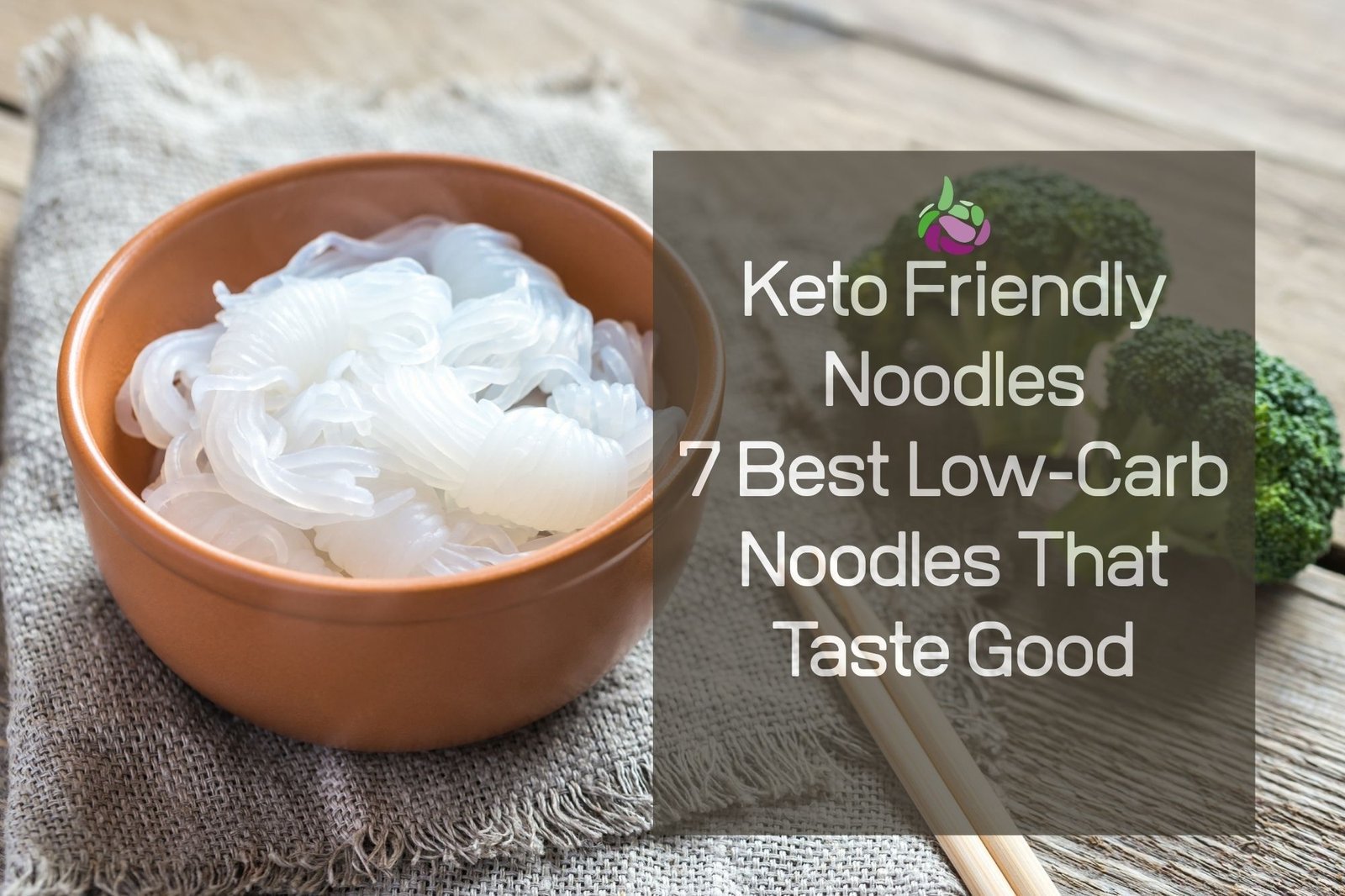
¿Qué son los fideos Keto Friendly?
Los fideos Keto friendly son pastas especiales elaboradas con verduras o plantas. Tienen muy pocos carbohidratos, normalmente entre 0 y 5 gramos por ración. La pasta normal tiene más de 40 gramos de carbohidratos.
Los tres mejores:
- Fideos Shirataki - 0 carbohidratos (elaborado a partir de una planta llamada konjac)
- Pasta de konjac - 0 glúcidos (con forma de espagueti)
- Fideos de calabacín - 3 glúcidos (a base de calabacín)
¡Estos fideos te permiten comer tus platos de pasta favoritos sin dejar de ser saludable!
¿Qué hace que los fideos sean "aptos para celíacos"?
Los carbohidratos: La sencilla explicación
Los carbohidratos son algo que el cuerpo obtiene de los alimentos. Te dan energía. Pero un exceso de carbohidratos puede:
- Te hacen ganar peso
- Aumentar el azúcar en sangre
- Te hace sentir cansado más tarde
La pasta normal tiene MUCHOS carbohidratos - unos 30 gramos de carbohidratos en 100 g de pasta cocida. Eso es demasiado para las personas que siguen una dieta ceto.
Los fideos Keto friendly tienen MUY POCOS carbohidratos - normalmente de 0 a 5 gramos. Esto es bueno porque:
- El cuerpo quema grasa para obtener energía
- Puede perder peso
- Su nivel de azúcar en sangre se mantiene estable
Carbohidratos netos: El número mágico
Cuando la gente habla de "carbohidratos netos", quieren decir:
Carbohidratos netos = Carbohidratos totales - Fibra
La fibra es buena para ti, pero tu cuerpo no la digiere. Así que no la contamos.
Ejemplo:
- Pasta normal: 43g carbohidratos totales - 3g fibra = 40 g de carbohidratos netos ❌
- Fideos shirataki: 3g carbohidratos totales - 3g fibra = 0 g de carbohidratos netos ✅
- Fideos de calabacín: 4g carbohidratos totales - 1g fibra = 3 g de carbohidratos netos ✅
La planta especial que hace fideos sin carbohidratos
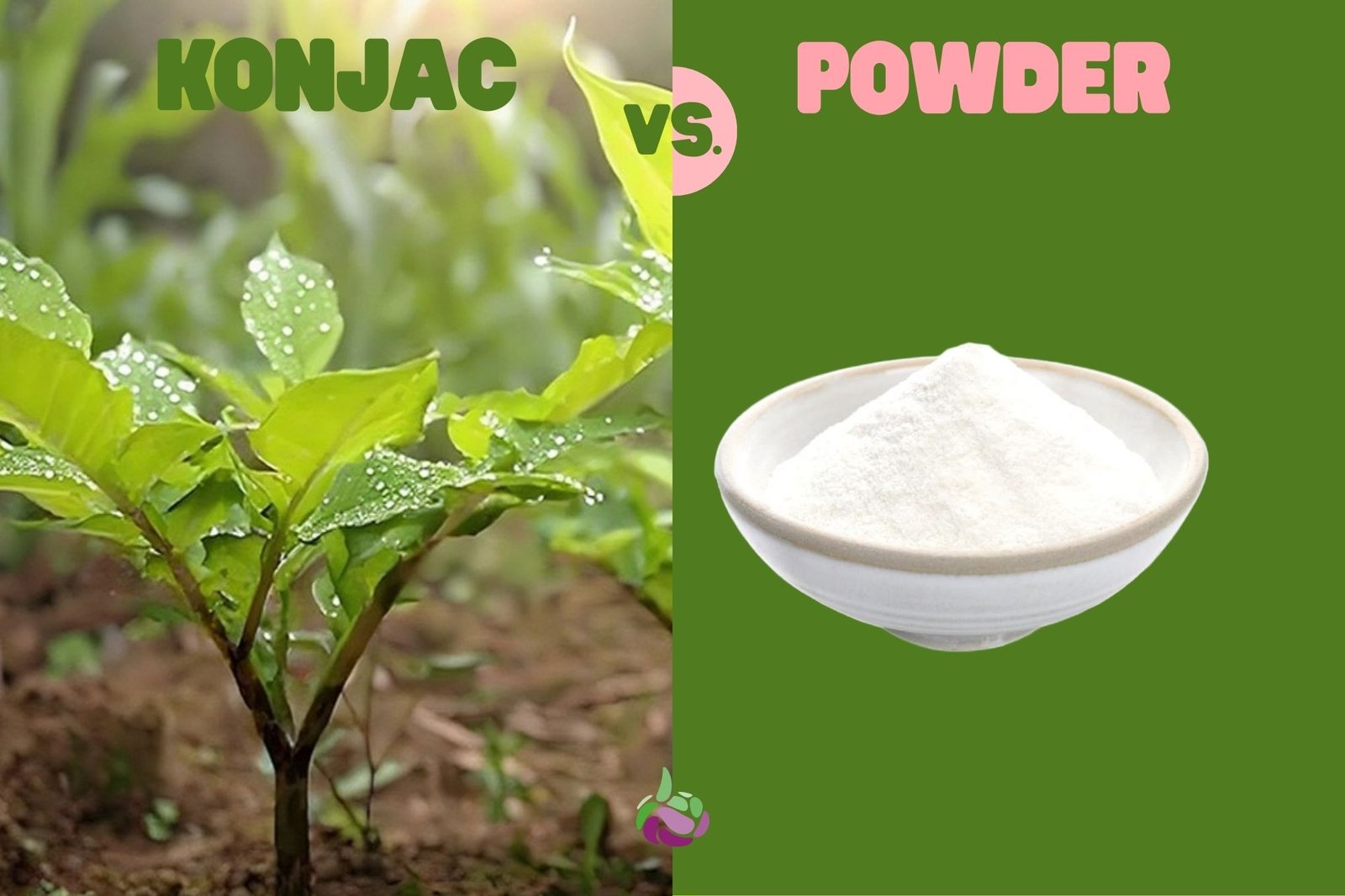
Hay una planta en Asia llamada konjac. Crece bajo tierra como una patata. Dentro de esta planta hay algo asombroso llamado glucomanano.
Qué hace especial al glucomanano:
- Puede contener 50 veces su peso en agua
- Tu cuerpo no puede convertirlo en azúcar
- Ayuda a sentirse saciado
- Es bueno para el estómago
Cuando los fabricantes mezclan polvo de konjac con agua, obtienen unos fideos que parecen espaguetis transparentes. Estos fideos tienen casi sin calorías y cero carbohidratos!
Los 7 mejores fideos Keto Friendly
Aquí están los 7 mejores fideos bajos en carbohidratos, desde nuestros favoritos hasta buenas opciones.
1. Fideos Shirataki (¡Nuestra elección #1!)
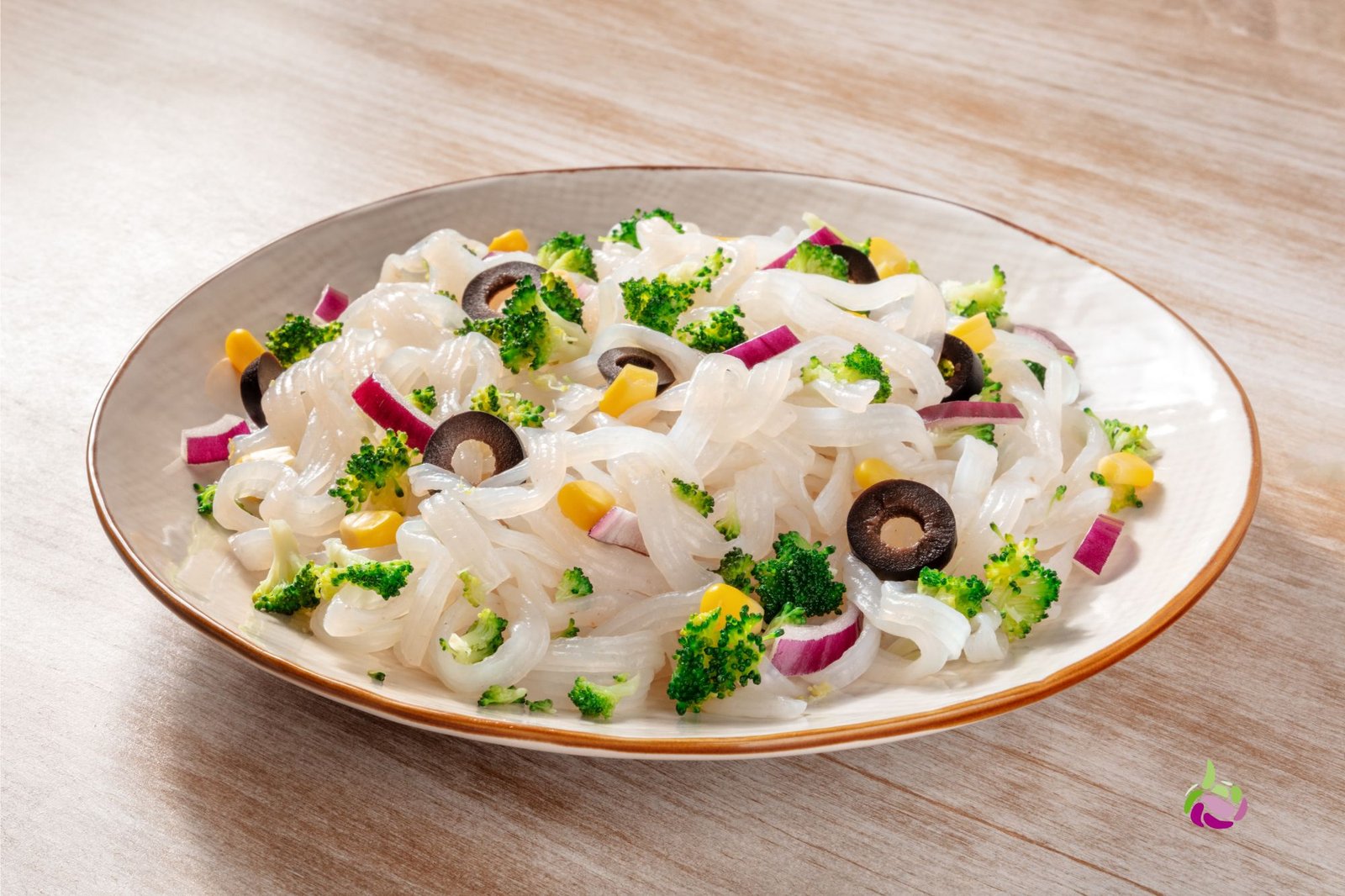
Por qué nos encantan:
- 0 gramos de carbohidratos netos
- Sólo 10 calorías por bol
- Sabe a la salsa que uses
- Textura masticable como los fideos de verdad
Lo que hay que saber:
Los fideos Shirataki son transparentes y elásticos. Algunas personas dicen que huelen un poco raro cuando abres el paquete por primera vez. Pero no te preocupes. El olor desaparece cuando se cocinan bien.
Cómo cocinar:
- Abrir el envase y verter en un colador
- Aclarar con agua fría durante 30 segundos
- Hervir en agua caliente durante 2-3 minutos
- Ponerlos en una sartén seca (¡sin aceite!) y cocinar durante 5-7 minutos.
- Añada su salsa favorita.
Ideal para: Platos asiáticos como ramen, salteados y pad thai
2. Pasta konjac
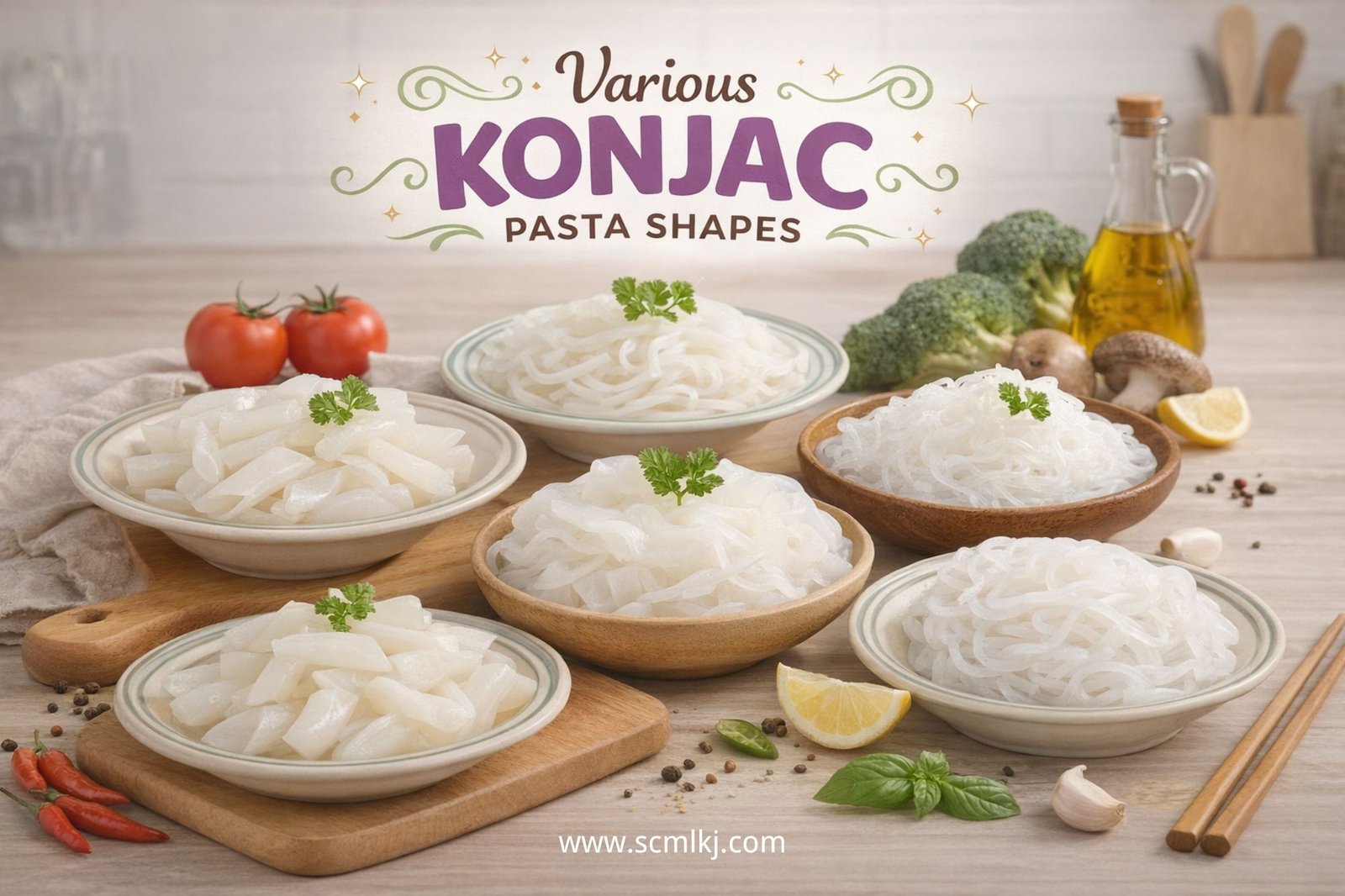
Por qué es genial:
- 0 a 1 gramo de carbohidratos netos
- Sólo 15 calorías por bol
- Viene en formas como espaguetis y penne
- Mantiene muy bien la salsa
La diferencia:
La pasta konjac se elabora con la misma planta que el shirataki. La única diferencia es la forma. Se puede conseguir:
- Espaguetis konjac
- Fettuccine konjac (fideos planos)
- Penne konjac (en forma de tubo)
- Hojas de lasaña konjac
Consejos de cocina:
Cocínelos de la misma manera que los fideos shirataki. Si preparas comida italiana, añade un poco de aceite de oliva, ajo y hierbas después de la cocción.
Ideal para: Platos de pasta italiana como espaguetis con albóndigas o fettuccine alfredo
3. Fideos de calabacín (Zoodles)
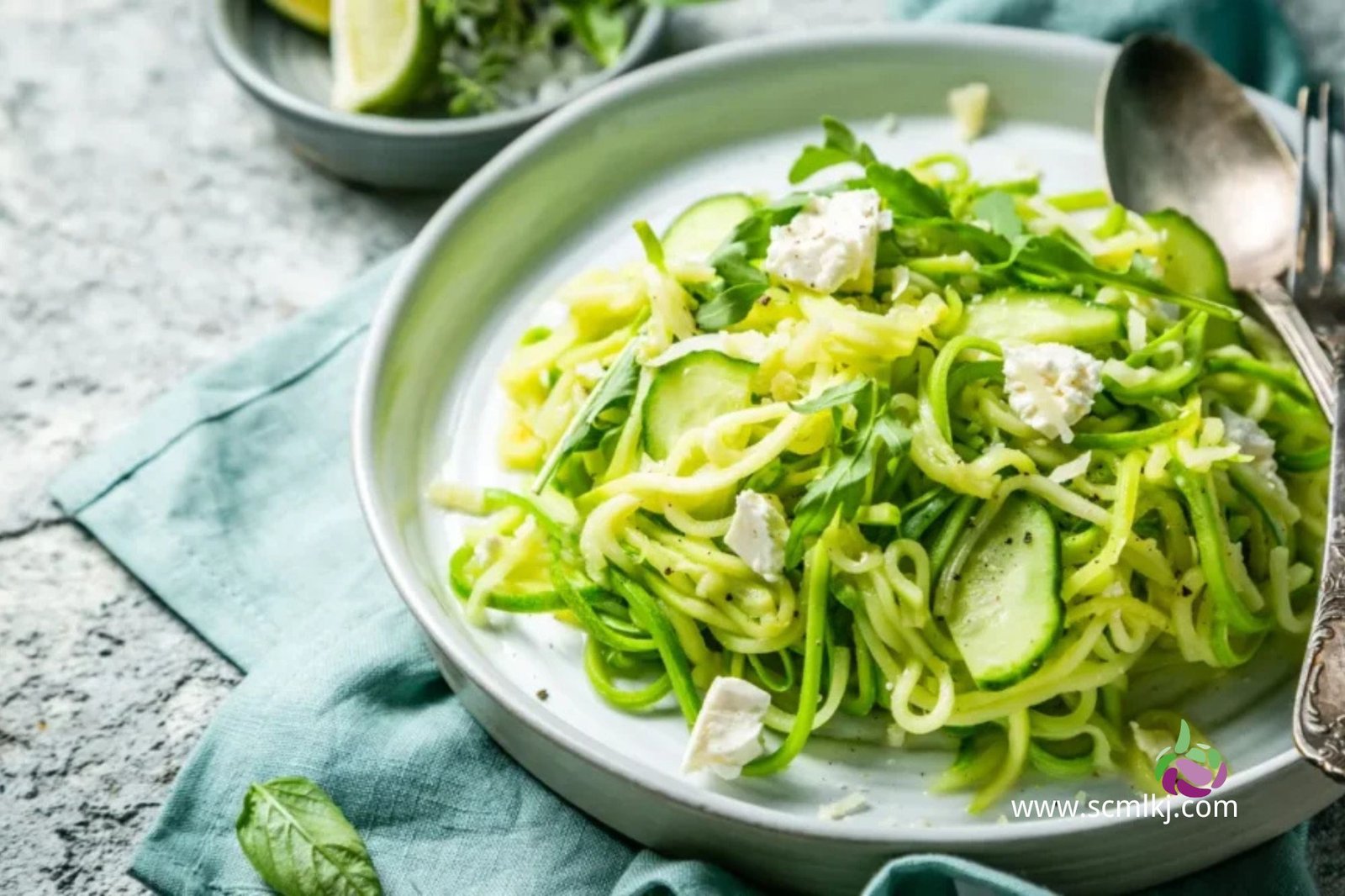
Por qué nos gustan:
- 3 gramos de carbohidratos netos
- Sólo 17 calorías por bol
- Lleno de vitaminas (vitamina C y B6)
- Sabor fresco y ligero
¿Qué son?
Los fideos de calabacín se hacen cortando calabacín fresco en tiras largas y finas. Parecen espaguetis.
Cómo hacerlos:
- Consigue un espiralizador (o utiliza un pelador de verduras)
- Convertir los calabacines en fideos
- Espolvorear con sal y esperar 10 minutos
- Secar con toallitas de papel
- Cocinar en una sartén con aceite de oliva durante sólo 2-3 minutos
Importante: No los cocines demasiado o se pondrán blandos.
Ideal para: Platos ligeros con pesto, mantequilla de ajo o salsa de tomate fresco
4. Fideos de palmito
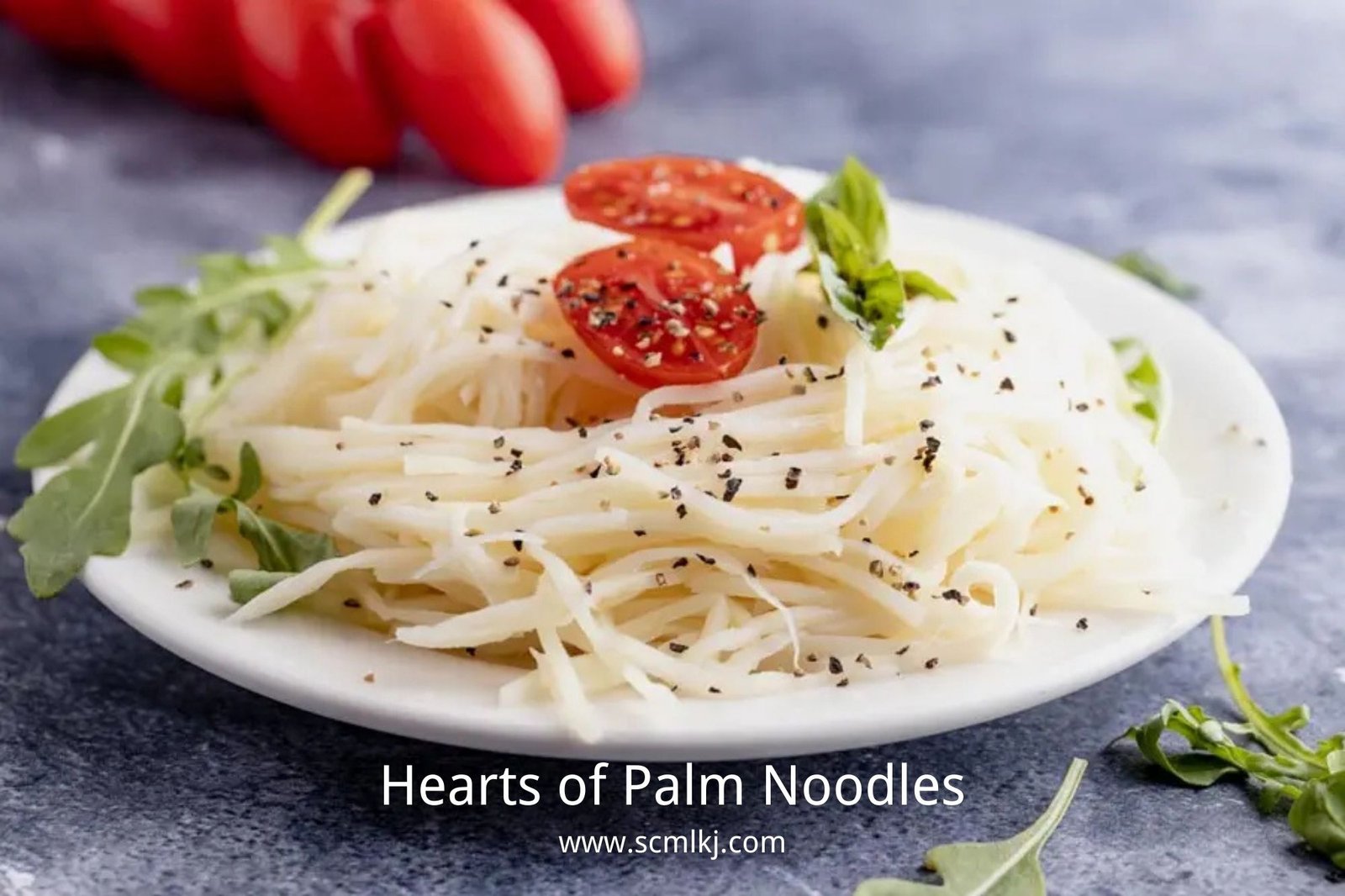
Por qué son buenos:
- 2 gramos de carbohidratos netos
- 25 calorías por bol
- Sabe a pasta de verdad
- Sin olores extraños
¿Qué son?
Estos fideos proceden del interior de ciertas palmeras. Tienen una textura firme que se asemeja a la pasta al dente (pasta cocida en su punto).
Fácil de cocinar:
Sólo hay que escurrir, enjuagar y calentar. No es necesario hacer los pasos especiales de cocción como con shirataki.
Ideal para: Platos de pasta italiana y ensaladas de pasta fría
5. Calabaza espagueti

Por qué es popular:
- 5 gramos de carbohidratos netos (un poco más, pero sigue siendo bueno)
- 31 calorías por bol
- Sabor dulce y a nuez
- Divertido de hacer
¿Qué es?
La calabaza espagueti es una verdura amarilla. Cuando la cocinas y la raspas con un tenedor, ¡se convierte en "fideos" fibrosos!
Cómo cocinar:
- Corta la calabaza por la mitad (¡pídele ayuda a un adulto!)
- Sacar las semillas
- Coloque la parte cortada hacia abajo en una bandeja para hornear
- Hornear a 400°F durante 40-45 minutos
- Dejar enfriar, luego raspar con un tenedor
Ideal para: Espaguetis con salsa marinara o albóndigas
6. Fideos con algas
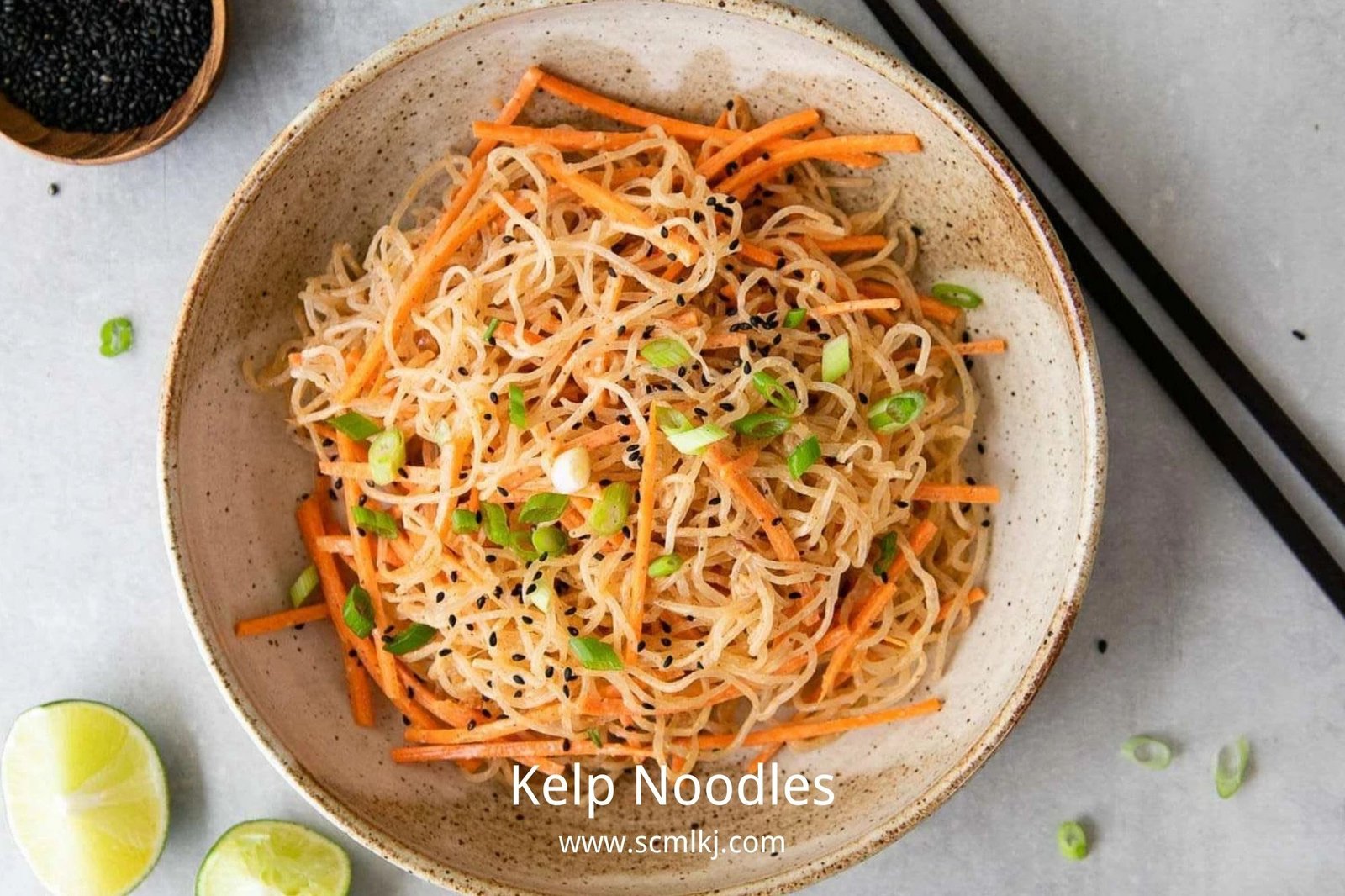
Por qué son únicos:
- 1 gramo de carbohidratos netos
- Sólo 6 calorías por bol
- Textura crujiente
- Bueno para la salud (mucho calcio)
¿Qué son?
Los fideos de algas están hechos de algas marinas. Crujen cuando están crudos y se ablandan al calentarlos.
Cómo prepararse:
Se pueden comer fríos en ensaladas. O remojarlas en agua tibia con zumo de limón durante 30 minutos para que se ablanden.
Ideal para: Ensaladas asiáticas y platos fríos de fideos
7. Pasta con edamame
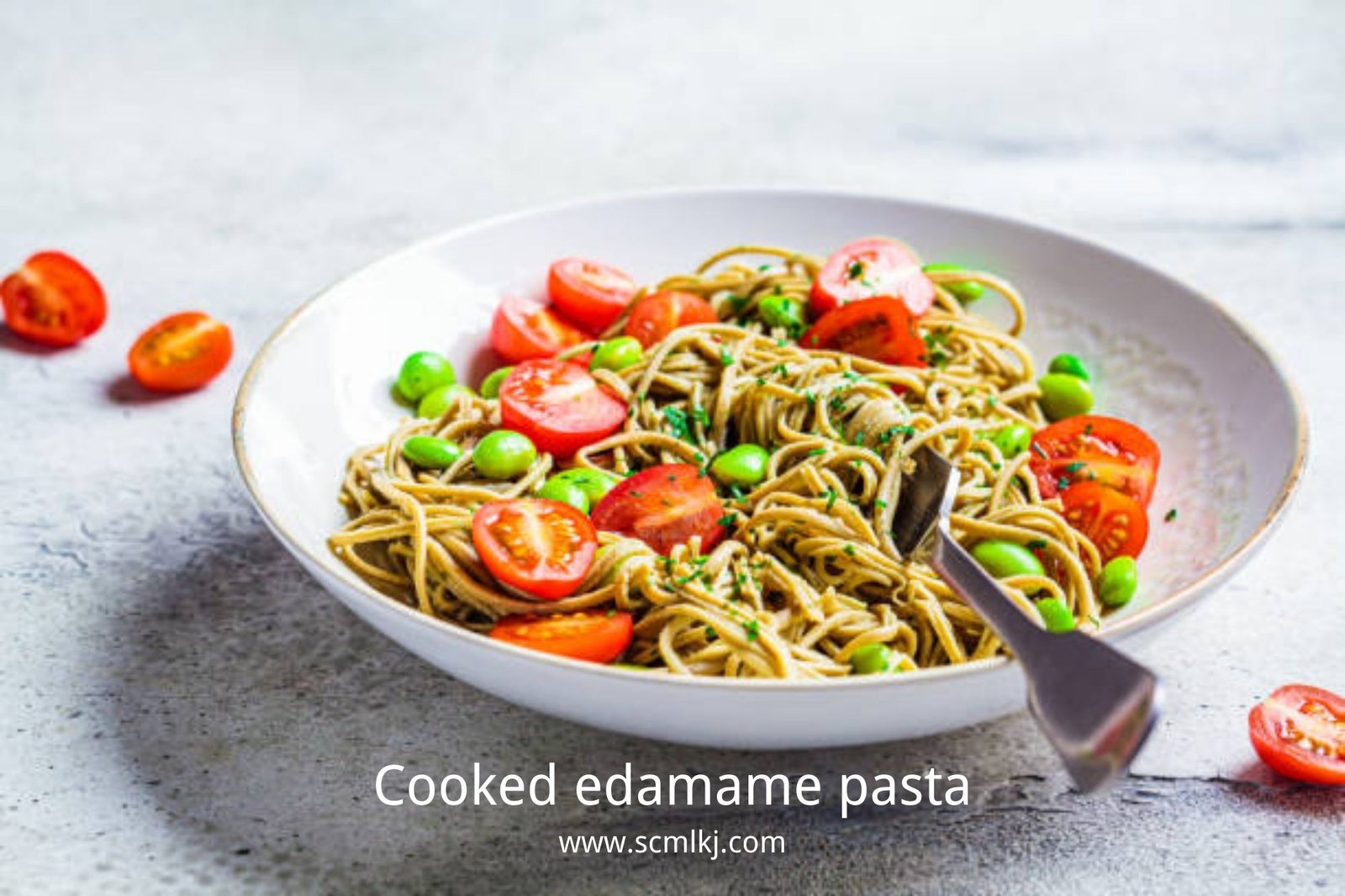
Por qué a algunos les gusta:
- 10 gramos de carbohidratos netos (más alto, pero aún así está bien para algunas personas)
- 200 calorías por bol
- ¡25 gramos de proteínas! (ideal para los músculos)
- Sabor a nuez
¿Qué es?
La pasta de edamame se elabora con soja verde. Tiene muchas proteínas, pero también más carbohidratos que las otras opciones.
Nota: Este tiene más carbohidratos, por lo que es mejor para las personas que pueden comer 50 gramos de carbohidratos por día (no ceto estricta).
Ideal para: Personas que necesitan más proteínas, como los deportistas
Cuadro comparativo fácil
| Tipo de fideo | Carbohidratos | Calorías | Sabor | Lo mejor para |
|---|---|---|---|---|
| Shirataki | 0 g | 10 | Rebote | Comida asiática |
| Konjac | 0-1g | 15 | Como la pasta | Comida italiana |
| Calabacín | 3g | 17 | Fresco | Platos ligeros |
| Palmitos | 2 g | 25 | Como la pasta | Comida italiana |
| Calabaza espagueti | 5g | 31 | Dulce | Cualquier salsa |
| Kelp | 1 g | 6 | Crujiente | Ensaladas asiáticas |
| Edamame | 10 g | 200 | Nueces | Alto contenido en proteínas |
3 recetas fáciles
Receta 1: Fideos Shirataki con mantequilla y ajo
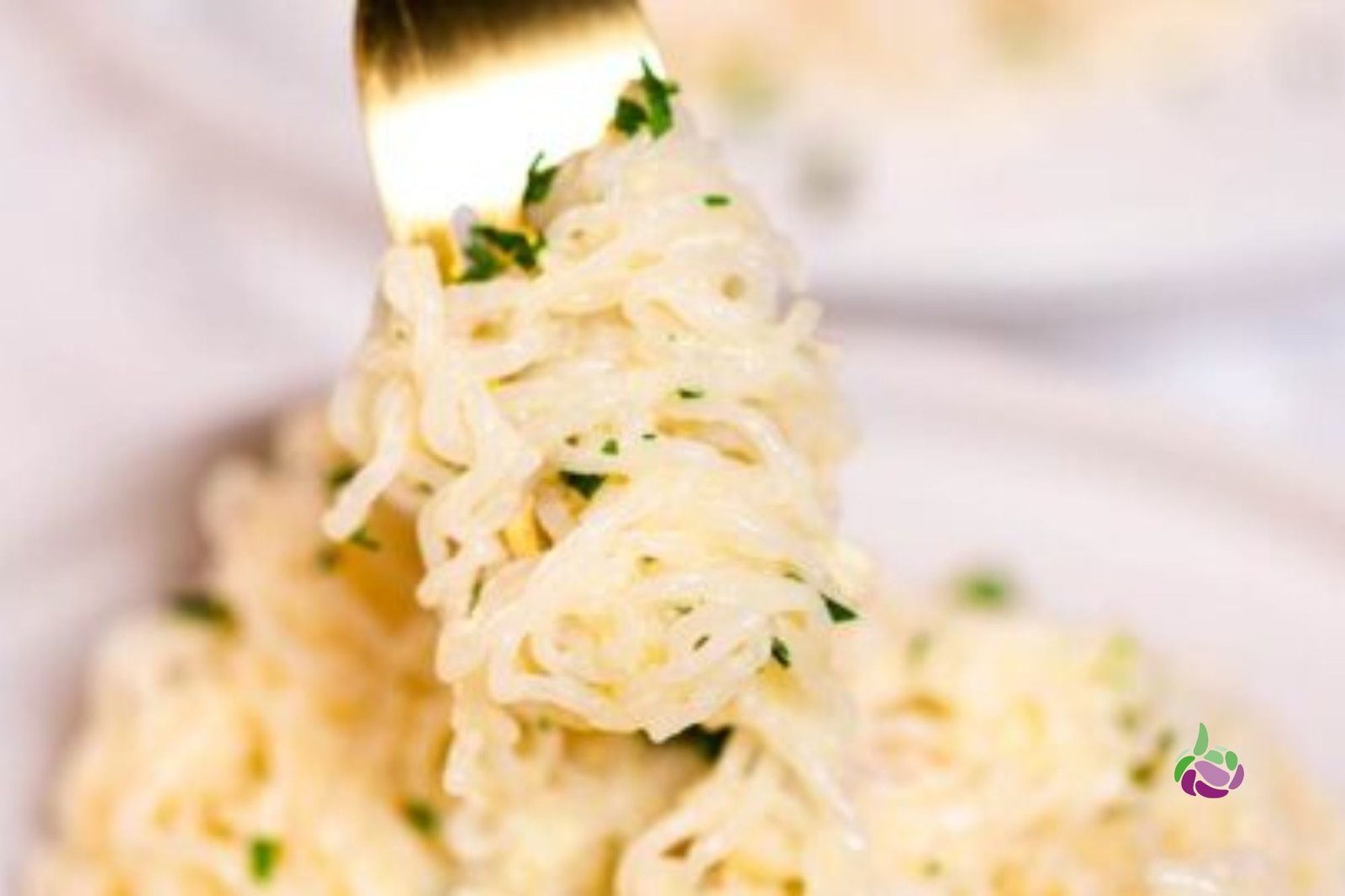
La hora: 20 minutos | Porciones: 2
Necesitas:
- 2 paquetes de fideos shirataki
- 4 cucharadas de mantequilla
- 4 dientes de ajo picados
- 2 cucharadas de perejil
- ¼ taza de queso parmesano
- Sal y pimienta
Pasos:
- Prepare el shirataki (enjuáguelo, hiérvalo y, a continuación, fríalo en una sartén seca hasta que esté crujiente)
- Derrita la mantequilla en una sartén
- Añadir el ajo y cocer durante 1-2 minutos
- Añadir los fideos y mezclar
- Cocer durante 2-3 minutos
- Añadir sal, pimienta y parmesano
- Añadir perejil por encima y servir.
Nutrición por ración: 245 calorías, 22 g de grasa, 4 g de proteína, 2 g de carbohidratos netos
Receta 2: Zoodles sencillos con salsa de tomate
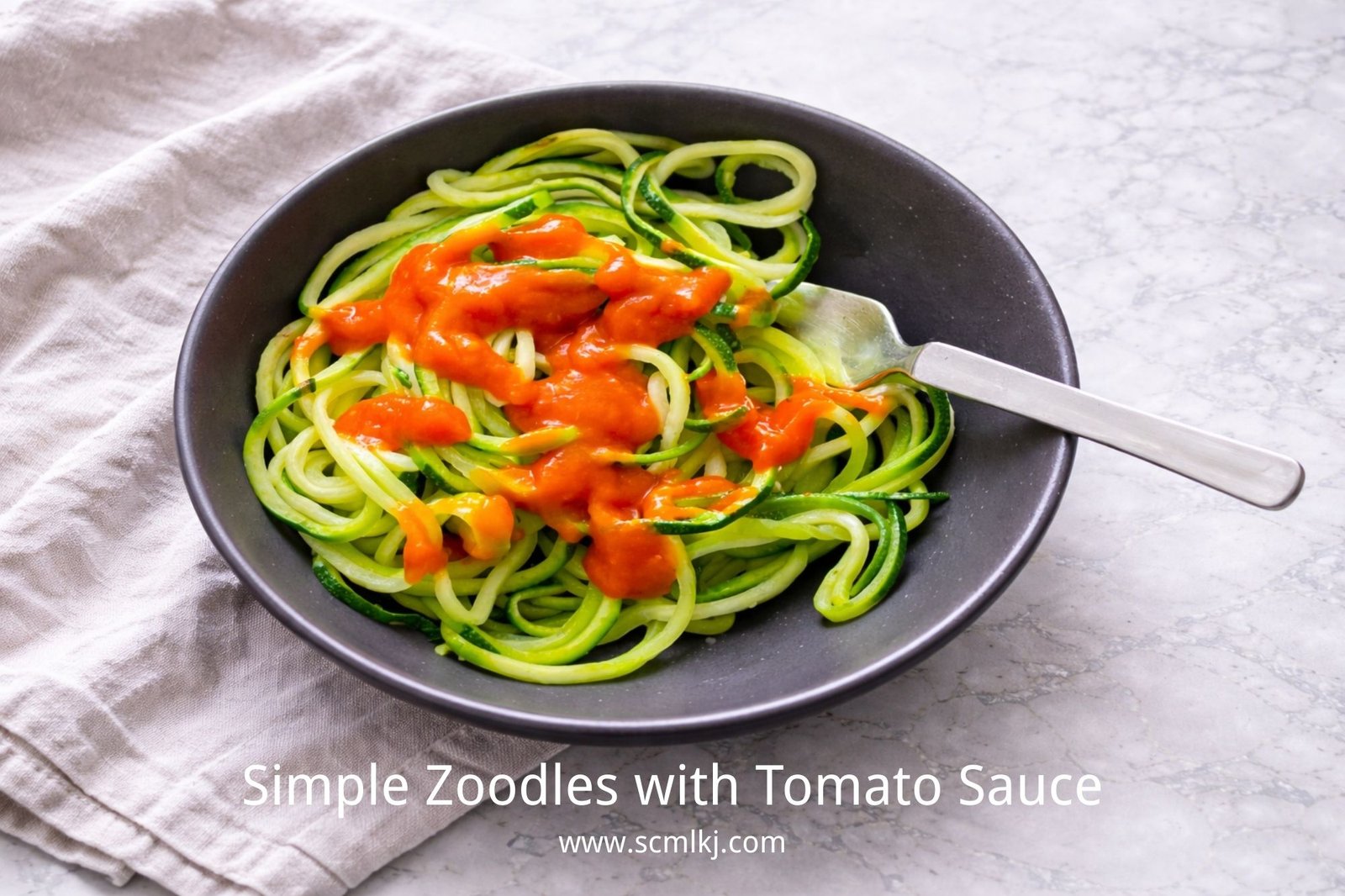
La hora: 15 minutos | Porciones: 2
Necesitas:
- 4 calabacines en espiral
- 2 cucharadas de aceite de oliva
- 1 taza de salsa de tomate (sin azúcar añadido)
- 2 dientes de ajo picados
- Sal y pimienta
- Queso parmesano
Pasos:
- Salar los fideos de calabacín y esperar 10 minutos
- Secar con toallitas de papel
- Calentar aceite de oliva en una sartén
- Añadir el ajo y cocer durante 1 minuto
- Añadir los fideos de calabacín y cocer durante 2-3 minutos
- Añadir la salsa de tomate y calentar
- Cubrir con parmesano
Nutrición por ración: 150 calorías, 12 g de grasa, 4 g de proteína, 10-12g carbohidratos netos
Receta 3: Pasta konjac con queso
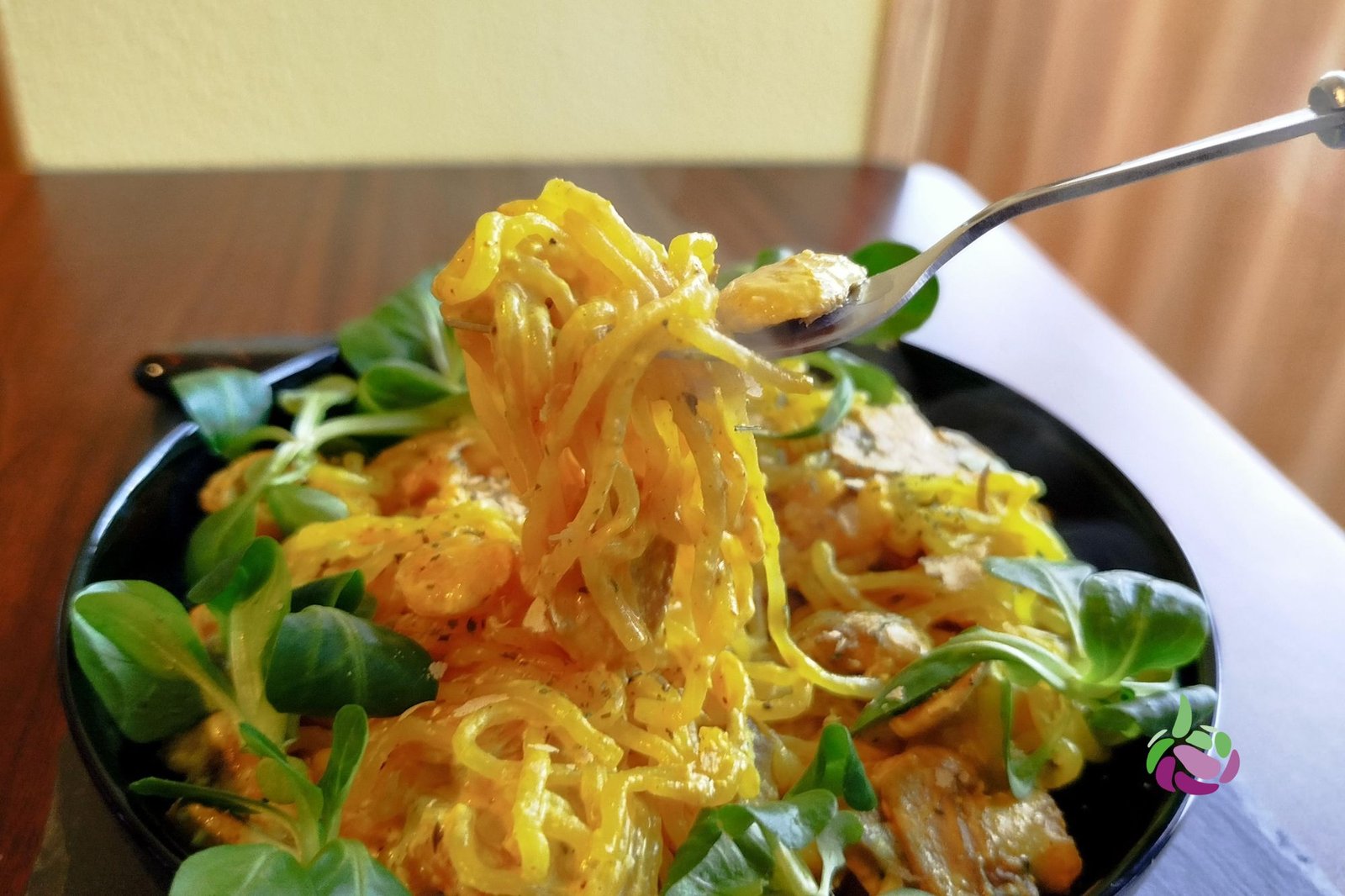
La hora: 15 minutos | Porciones: 2
Necesitas:
- 2 paquetes de fettuccine konjac
- 1 taza de nata espesa
- 1 taza de queso rallado
- 2 cucharadas de mantequilla
- Sal y pimienta
Pasos:
- Preparar la pasta konjac (enjuagar, hervir, freír)
- Calentar la nata y la mantequilla en una sartén
- Añadir el queso y remover hasta que se derrita
- Añadir la pasta y mezclar bien
- Cocer hasta que la salsa esté espesa
- Añadir sal y pimienta
Nutrición por ración: 650 calorías, 60 g de grasa, 15 g de proteína, 3 g de carbohidratos netos
Dónde comprar estos fideos
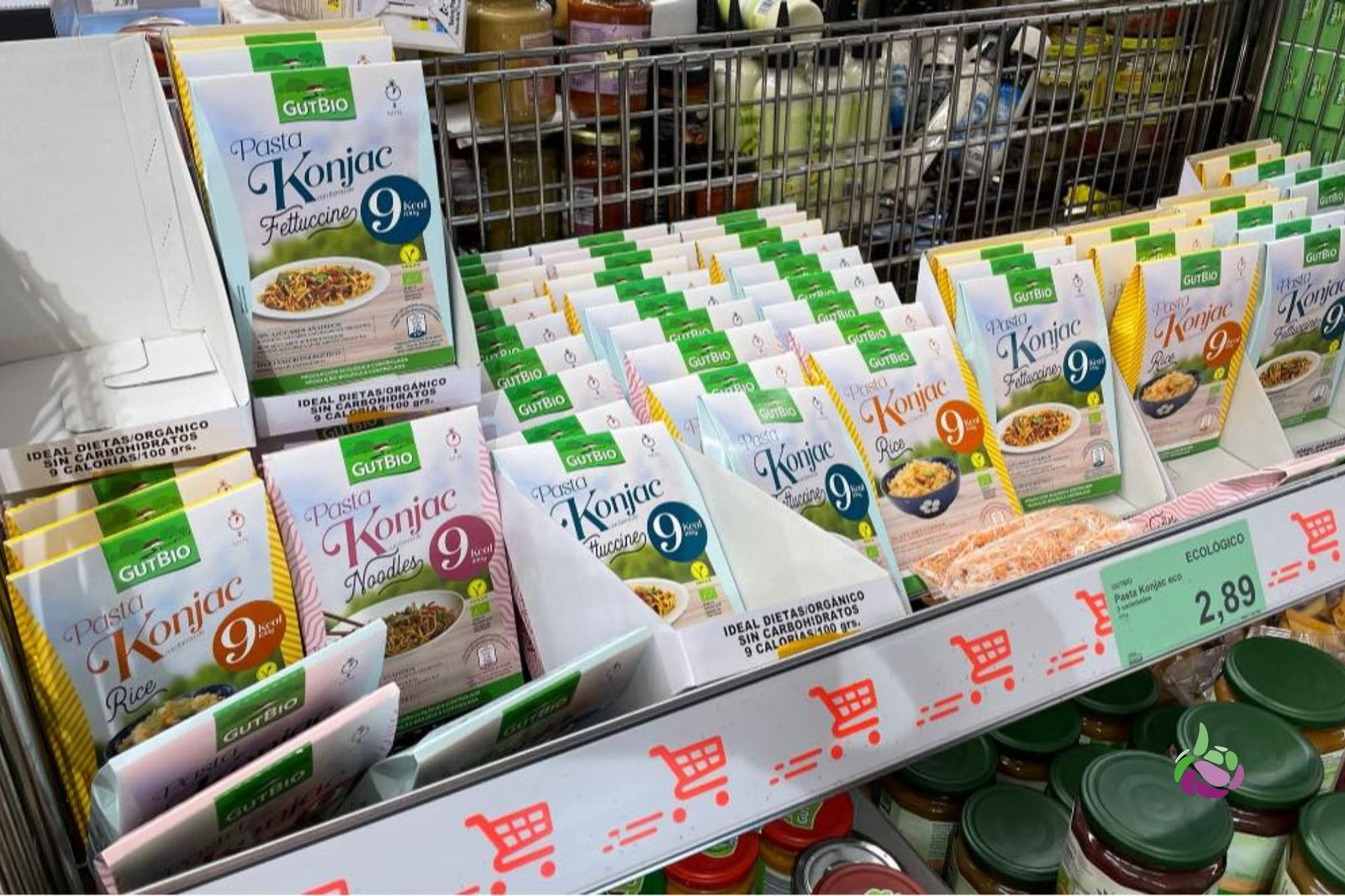
Para cocineros caseros
Puedes encontrar estos fideos en:
- Tiendas de comestibles asiáticas (mejor para shirataki)
- Tiendas de alimentos saludables
- Amazon (muchas opciones)
- Walmart (económico)
Para restaurantes y tiendas
Si tienes un restaurante o una tienda, puedes comprar al por mayor. Así ahorrarás dinero:
- Tamaño de las cajas (12-24 paquetes) ahorrar 25-40%
- Big bags para restaurantes
- Incluso puedes conseguir tu propia etiqueta.
Preguntas de la gente
P: ¿Son sanos estos fideos?
R: ¡Sí! Tienen fibra que ayuda a tu estómago. También te ayudan a sentirte lleno para que no comas demasiado. Sólo asegúrate de comerlos con salsas y aderezos saludables.
P: ¿Saben como la pasta de verdad?
R: Algunos sí, otros no. El konjac y el palmito saben a pasta de verdad. El calabacín sabe a verdura. El shirataki no tiene mucho sabor, pero absorbe la salsa.
P: ¿Puedo comerlos todos los días?
R: ¡Sí! El shirataki y el konjac no tienen carbohidratos, por lo que puedes comerlos a diario. Sólo tienes que beber mucha agua porque tienen mucha fibra.
P: ¿Cómo se quita el olor raro del shirataki?
R: ¡Fácil! Enjuáguelos bien, hiérvalos durante 2 minutos y, a continuación, cuézalos en una sartén seca durante 5-7 minutos. El olor desaparecerá por completo.
P: ¿Pueden comerlos los diabéticos?
R: ¡Sí! Estos fideos no elevan el azúcar en sangre. El shirataki y el konjac tienen un índice glucémico de 0, lo que significa que son muy seguros. Según una investigación médica publicada en Muy buena saludLa fibra glucomanana del konjac puede reducir significativamente los niveles de azúcar en sangre de los diabéticos.
P: ¿Cuál es la diferencia entre shirataki y konjac?
R: ¡Son lo mismo! Shirataki es el nombre japonés. Konjac es el nombre de la planta. Ambos están hechos de lo mismo.
P: ¿Puedo congelarlas?
R: Depende:
- Shirataki/Konjac: No, se ponen raros cuando se descongelan
- Calabacín: No, se pone blando
- Corazones de palmito: Sí, hasta 3 meses
P: ¿Me sacarán de la cetosis?
R: ¡No! El shirataki y el konjac tienen 0 carbohidratos, por lo que son totalmente seguros. El calabacín y el palmito sólo tienen 2-3 carbohidratos, por lo que también están bien.
Resumen: ¿Qué fideo elegir?
Empieza por estos si eres nuevo:
- Fideos Shirataki - Sin carbohidratos, funciona con cualquier salsa
- Pasta de konjac - Sin carbohidratos, con forma de pasta de verdad
Pruebe estos para variar:
- Fideos de calabacín - Sabor fresco, lleno de vitaminas
- Corazones de palmito - Sabe a pasta de verdad
Acuérdate:
- Cocinar shirataki y konjac de la forma correcta (enjuagar, hervir, freír)
- No cocines demasiado el calabacín o se pondrá blando
- Combina tus opciones para obtener diferentes nutrientes
¿Busca fideos Keto-Friendly para su marca o negocio?
Eastern Morning ofrece una amplia gama de soluciones de fideos bajos en carbohidratos, incluyendo fideos konjac, fideos shirataki, fideos de avena y otras alternativas más saludables. Ya sea que necesite productos listos para la venta al por menor, envases de marca propia o soporte OEM/ODM, nuestro equipo puede ayudarlo a llevar al mercado la línea de fideos keto-friendly adecuada.
Obtenga nuestro catálogo de productos, solicitar muestras gratuitas, o hable con nosotros sobre su proyecto de fideos a medida hoy mismo.