Konjac (or konjac‑based foods) has many praised health benefits thanks to its high dietary fiber, low calorie, and low carbohydrate profile. But like any food, the key is moderation and informed use.
Below is a clearer look at what frequent konjac consumption may bring — and what to watch out for.
Potential Benefits of Regular Konjac Consumption
When consumed appropriately and as part of a balanced diet, konjac may offer several advantages:
Supports Digestive Health & Detoxification
- The high amount of plant fiber can help promote intestinal motility and support regular bowel movements.
- This may help the body clear waste and reduce the retention time of unwanted substances in the gut.
May Help Maintain Healthy Blood Lipids
- The soluble fiber in konjac — mainly glucomannan — may help reduce absorption of cholesterol and fatty compounds in the small intestine.
- As a result, it could contribute to lower overall blood lipid levels (e.g., cholesterol, triglycerides) when combined with a healthy overall diet.
Helps Stabilize Blood Sugar
- Friendly for Diabetics or Low‑GI Diets: Because konjac is low in digestible carbohydrates and rich in soluble fiber, it can slow down the absorption of sugars, helping prevent sharp blood‑sugar spikes after meals.
- This property makes konjac-based foods potentially useful for people managing blood sugar or seeking a low‑GI diet.
Aids in Satiety & Weight Management
- Foods with konjac fiber can expand in the stomach, helping you feel fuller sooner and longer.
- Lower calorie count combined with increased fullness may help reduce overall caloric intake — a helpful factor for those pursuing weight control or dieting.
Gentle on the Digestive System
- For many people, konjac is easier to digest compared with heavier starch-based foods.
- Its fiber content can help smooth digestion without burdening the gastrointestinal tract.
A Versatile Ingredient for Healthy/Functional Products
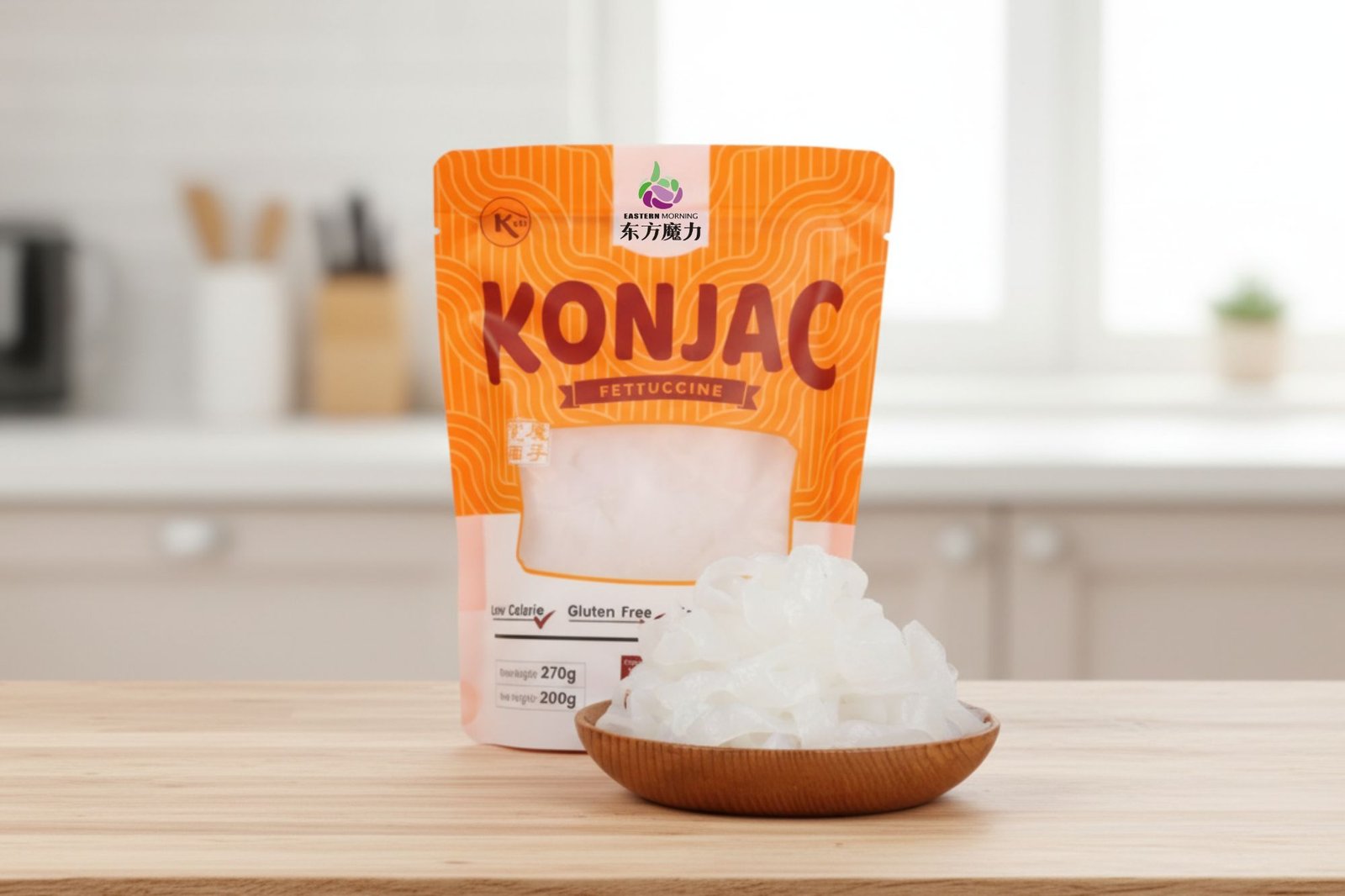
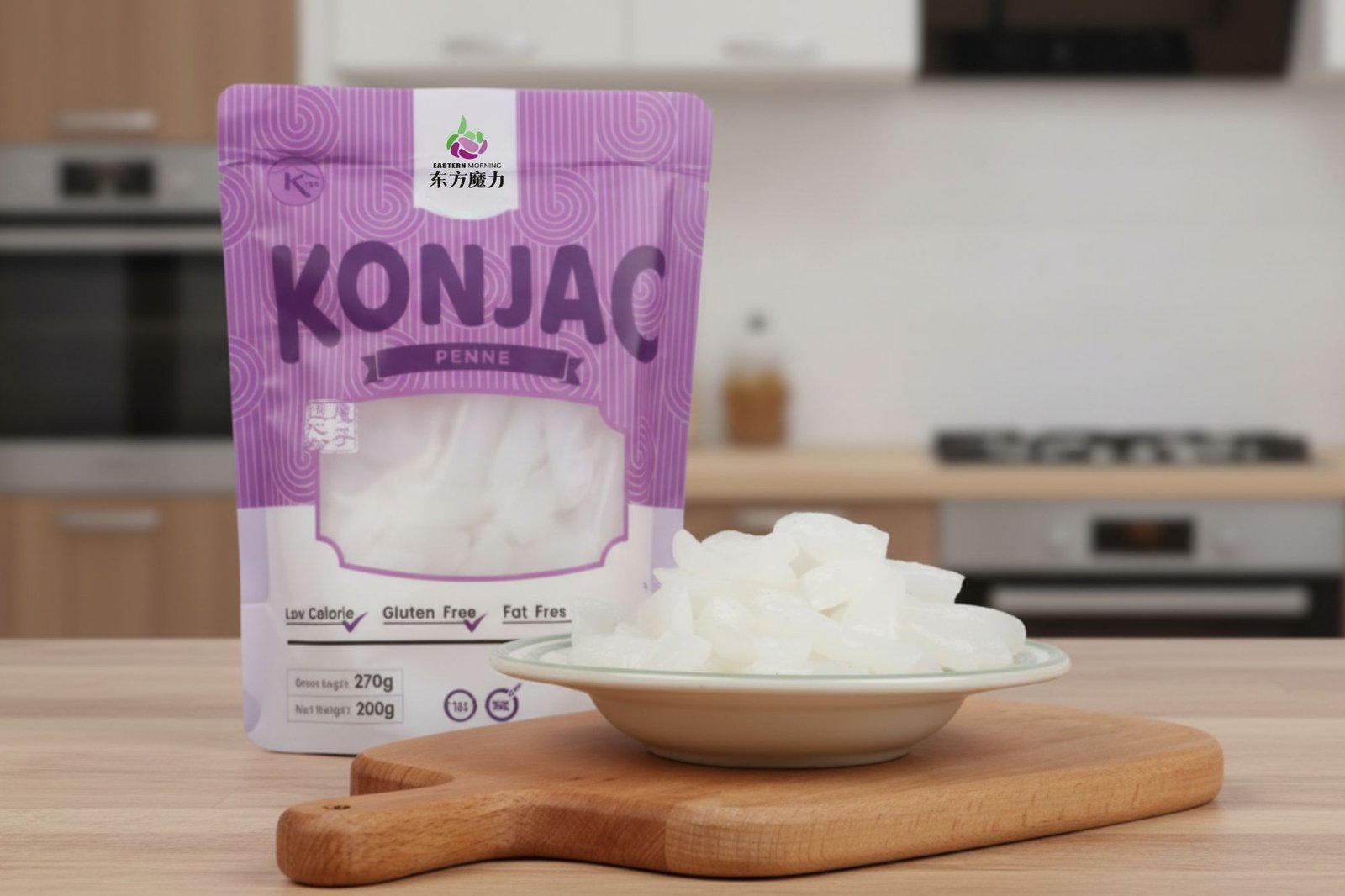
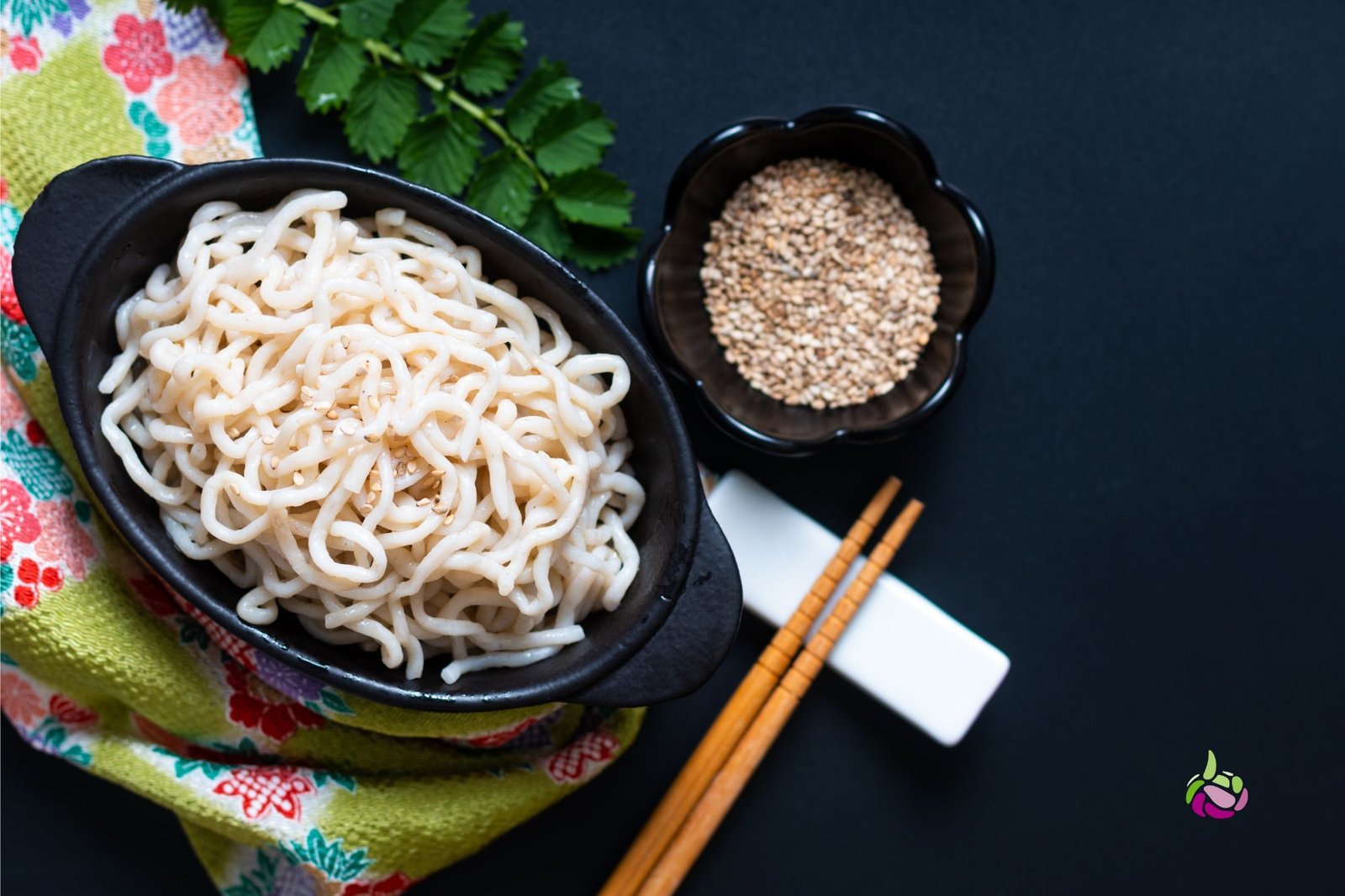
- Because konjac can form a gel, absorb water, and improve texture, it is often used in products such as low‑calorie noodles, shirataki rice, diet-friendly desserts, and other functional foods.
- It offers a clean-label, plant-based, high-fiber alternative to many traditional carbohydrate-rich ingredients.
Important Considerations: Moderation, Balance, and Variety
However appealing konjac is, there are key caveats:
-
Too Much Fiber — Sometimes Too Much of a Good Thing
Excessive intake of dietary fiber, including konjac glucomannan, can lead to bloating, gas, or digestive discomfort, especially during the first days of regular consumption. -
Nutrient Balance Matters
Konjac on its own doesn’t supply all essential nutrients. If konjac becomes a large share of your diet, be sure to include vitamins, minerals, protein, and other nutrients through balanced meals or supplements. -
Hydration Is Essential
Because soluble fiber absorbs water and swells, it’s important to drink plenty of fluids when consuming konjac-based foods to help fiber move smoothly through your digestive system. -
Not a Cure-All or Medical Treatment
While konjac can help with some metabolic or digestive benefits, it is not a substitute for medical treatment or a balanced diet.
Practical Advice: How to Include Konjac Sensibly
If you want to include konjac in your regular diet, consider these practical tips:
- Combine with Nutrients: Use konjac-based foods (like konjac rice, noodles, or shirataki) as part of balanced meals — combine with vegetables, lean protein, healthy fats, and other nutrient sources.
- Start Slowly: Start with moderate portions — let your body adjust if you are new to high-fiber foods.
- Drink Water: Maintain adequate hydration, especially if increasing fiber intake.
- Rotate Foods: Rotate with other fiber sources and carbohydrates — variety helps ensure a broad nutritional profile.
- Listen to Your Body: Monitor how your body feels — if digestion becomes uncomfortable, adjust intake accordingly.
Final Thoughts
Konjac offers a compelling blend of dietary fiber, low calorie, and digestive-friendly benefits — making it a valuable ingredient for both consumers and food industry professionals.
But like any powerful food or ingredient, its benefits come with responsibility: balance, moderation, and thoughtful integration are key. By using konjac wisely — as part of diverse, nutritious eating patterns — you can enjoy its advantages while supporting your overall health.
Note for Business Partners:
If you’re a manufacturer or wholesaler interested in konjac-based solutions, feel free to reach out. We’d be happy to discuss product development, wholesale supply, or private-label cooperation.