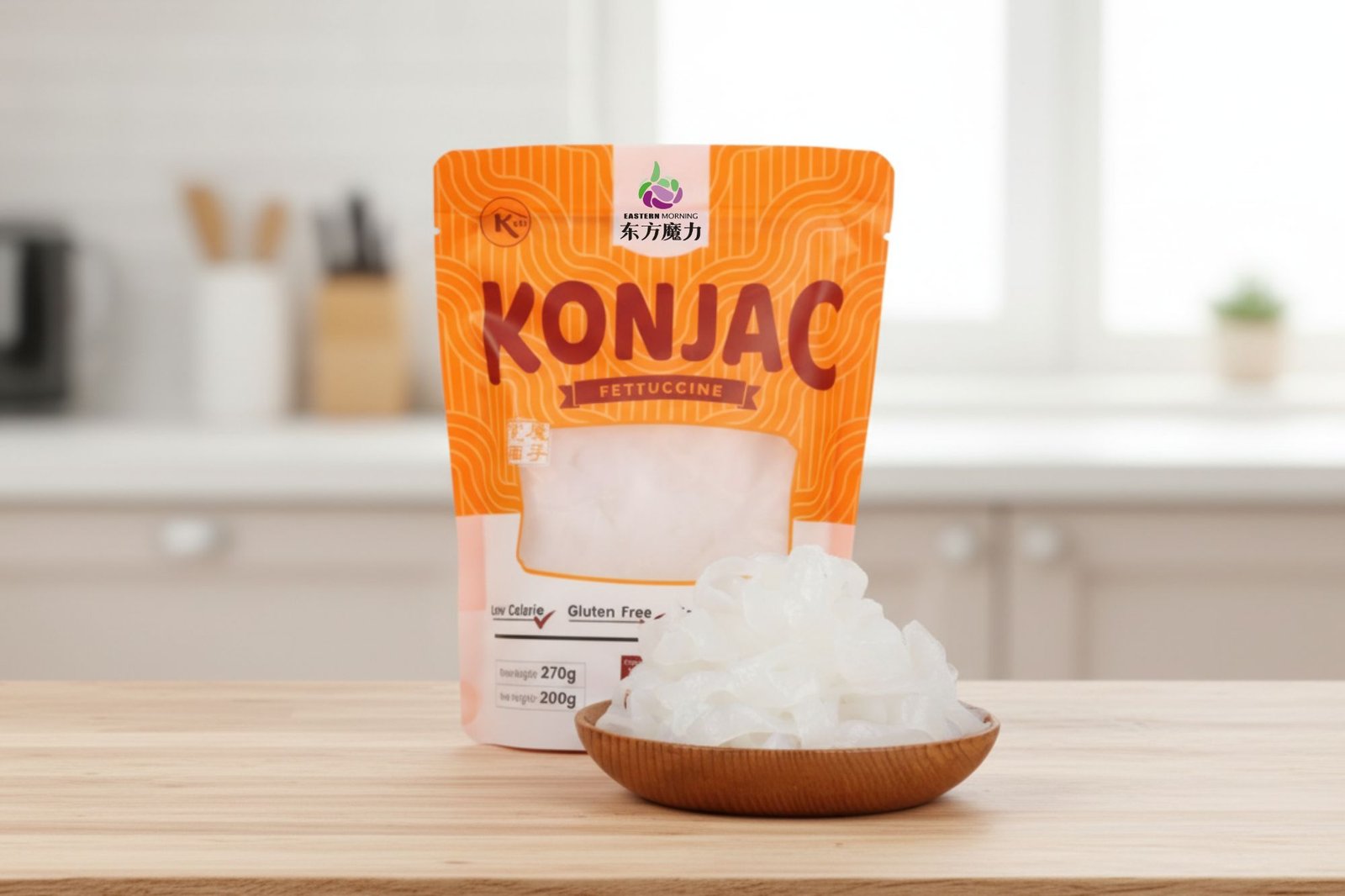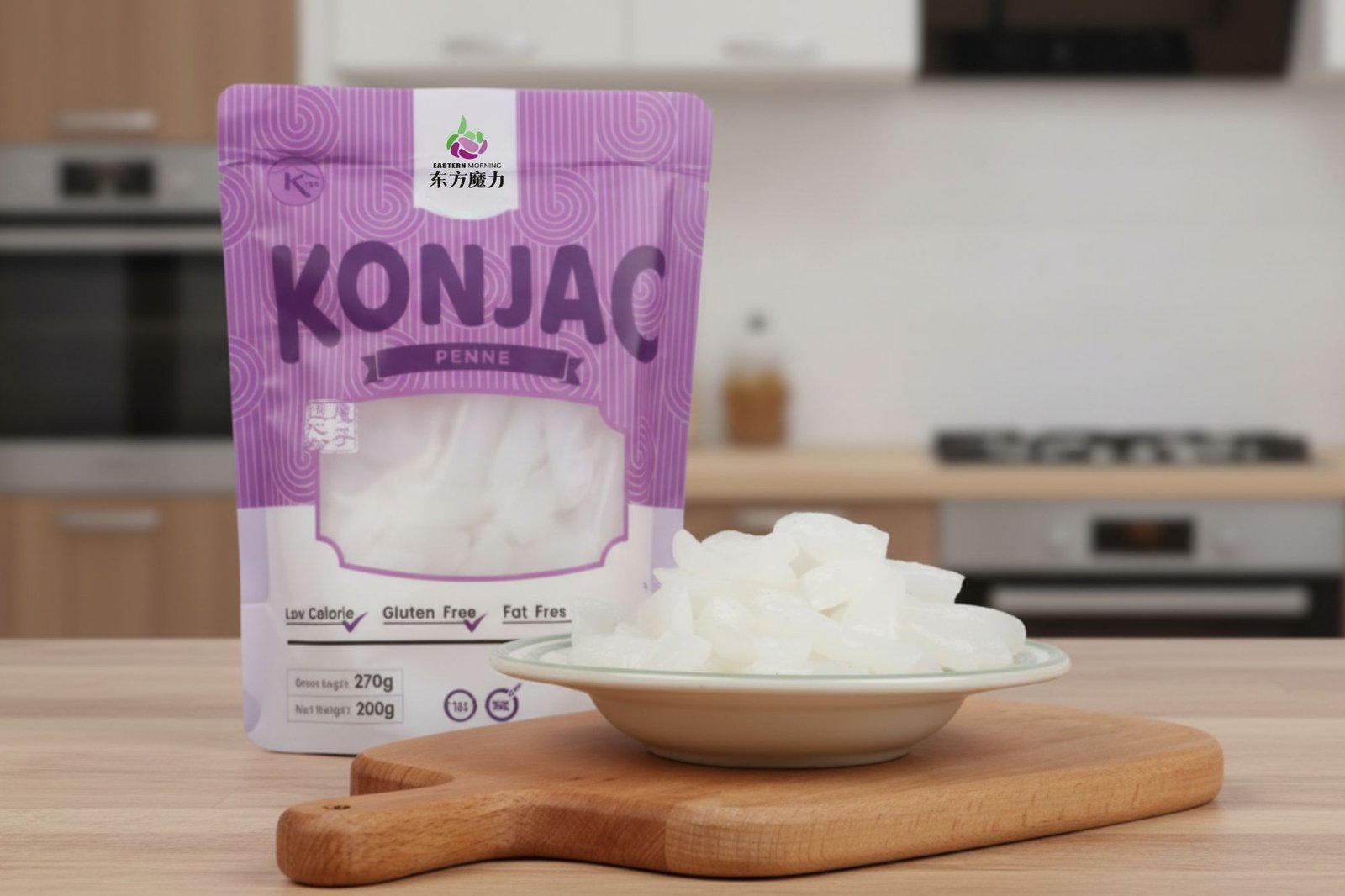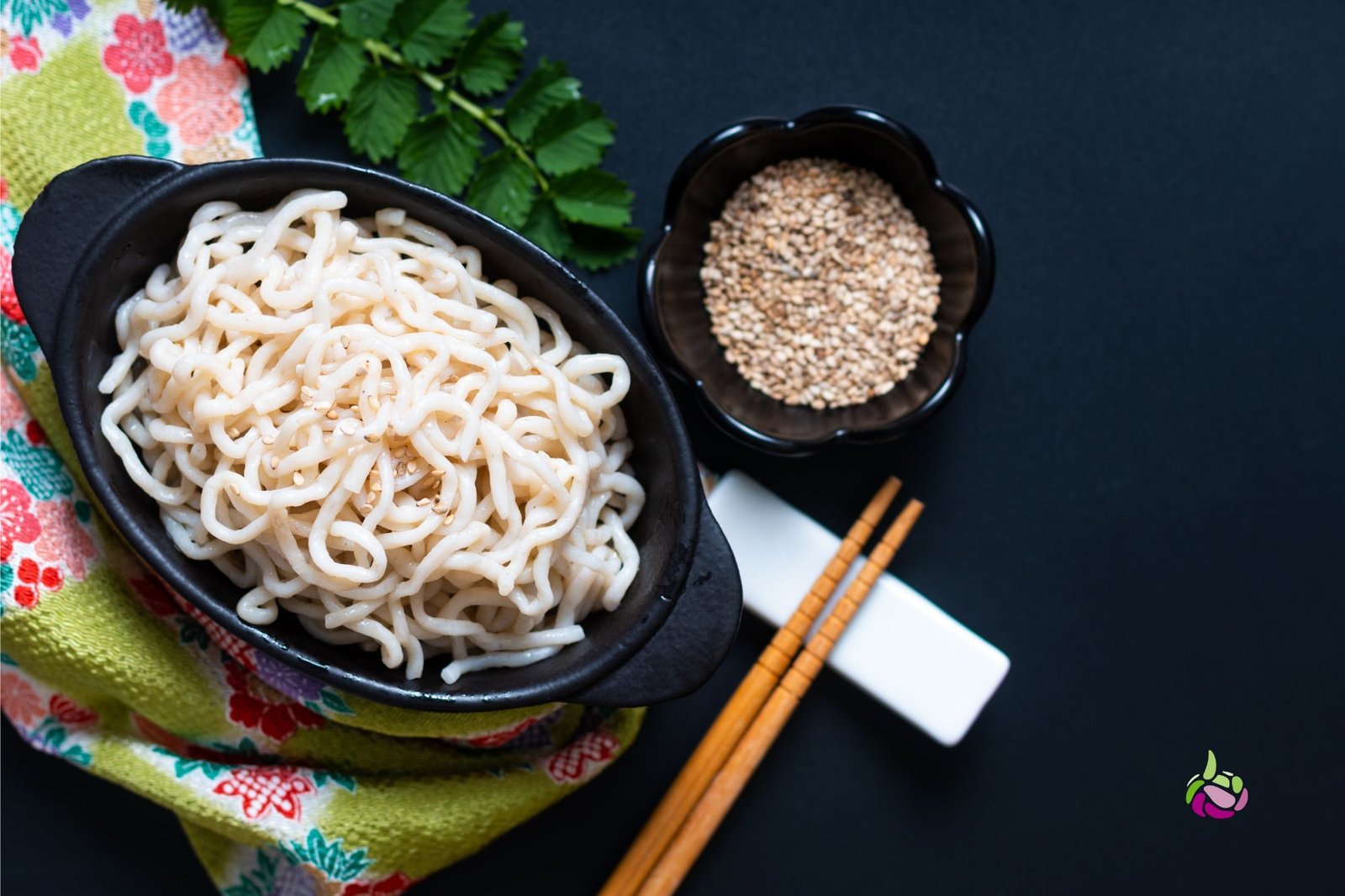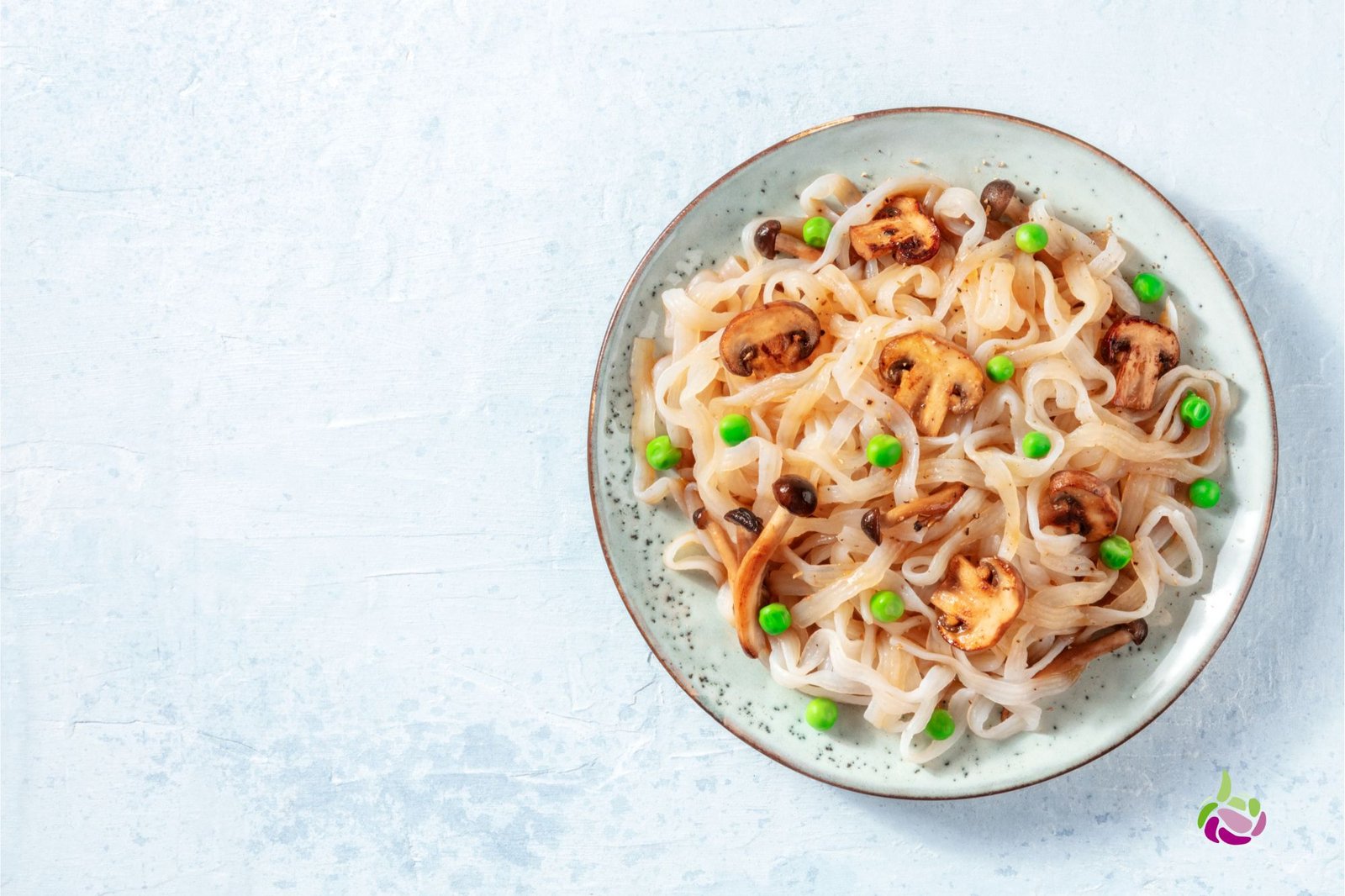
As people around the world pay closer attention to their health, low-calorie diets, and plant-based eating, a unique competitor is challenging traditional pasta and rice: Konjac noodles, often called Shirataki.
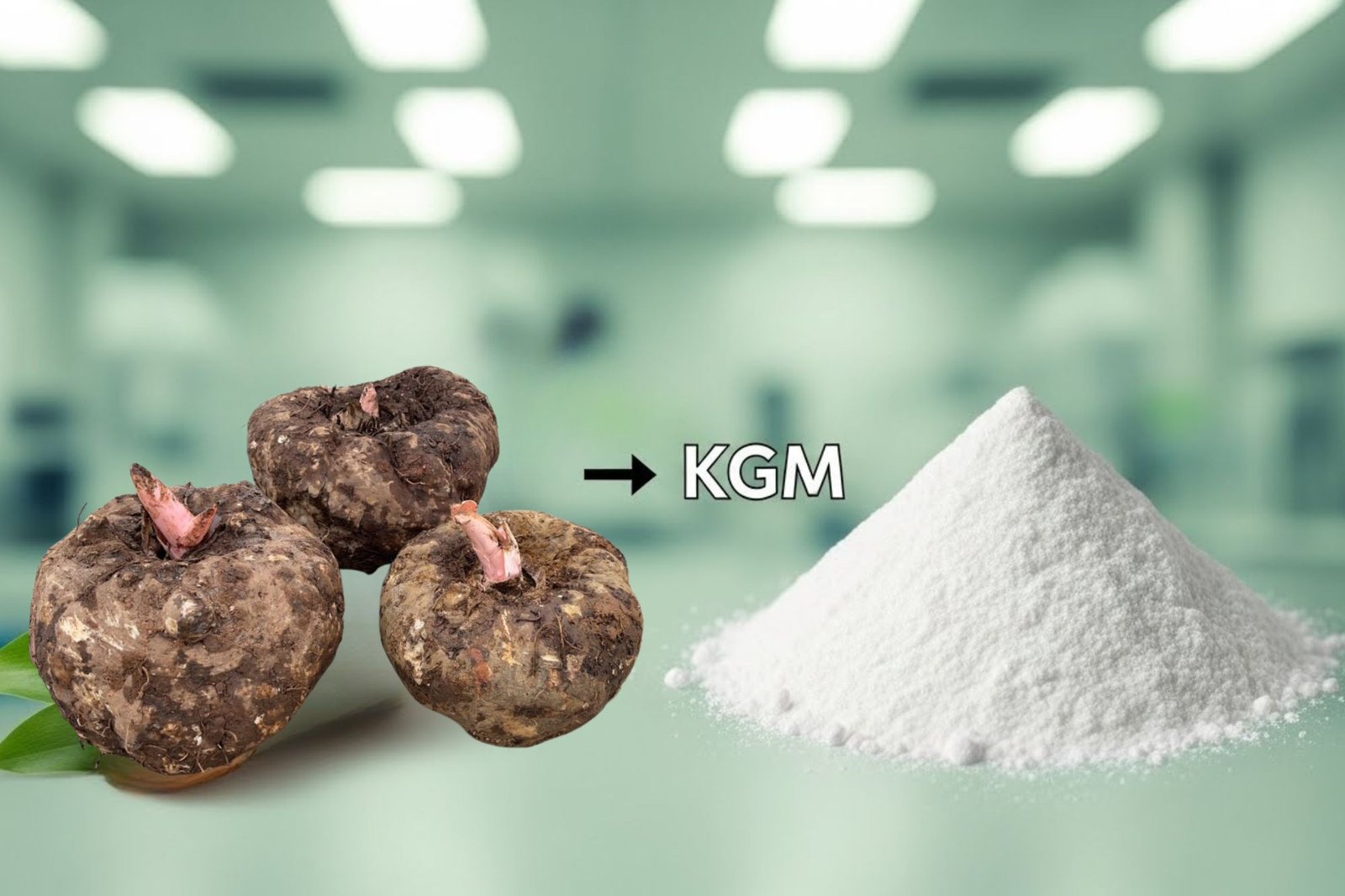
Made from the root of the konjac plant, these noodles are famous for having almost zero calories while being packed with glucomannan fiber. They are gluten-free, low-carb, and increasingly popular.
In this guide, we break down the market size, why demand is exploding, and where the business opportunities lie for distributors and brands.
By the Numbers: Market Size and Forecast
The numbers tell a clear story: Konjac is no longer just a specialty item.
- Current Value: In 2024, the global market was valued at approximately USD 1.47 billion.
- Future Growth: By 2032–2033, revenues are projected to nearly double, reaching between USD 2.6 billion and USD 2.96 billion.
- Growth Rate: The market is growing at a steady annual rate (CAGR) of 7–9%.
This data suggests that 2025 will be a turning point as konjac shifts from a diet secret to a mainstream pantry staple.
5 Key Factors Driving the Boom
Why is this happening now? There are five main engines powering this growth:
The Global Weight Management Focus
With obesity and diabetes rates rising globally, consumers are actively seeking foods that help manage weight and blood sugar. Konjac noodles offer a rare solution: they are filling (high fiber) but have almost no caloric impact.
The "Free-From" Diet Culture
Whether it is Keto, Paleo, Gluten-Free, or Low-Carb, modern diets require alternatives to wheat and sugar. Konjac noodles naturally fit the criteria for almost every major restrictive diet, making them an easy choice for health-conscious shoppers.
Convenience Meets Clean Label
Shoppers want food that is healthy but also quick to prepare. Konjac noodles are typically pre-cooked and ready to eat after a quick rinse or heat-up. They also have a "clean label"—usually containing just water, konjac powder, and lime water—which appeals to those avoiding processed foods.
The Rise of Plant-Based Eating
As veganism moves mainstream, consumers need satisfying alternatives to meat and eggs. Konjac is 100% plant-based, providing a cruelty-free carbohydrate source.
Better Taste and Variety
In the past, konjac was criticized for being flavorless. Today, manufacturers are innovating. New products include infused flavors, oat-fiber blends to improve texture, and ready-to-eat meal kits, making the product appealing to a much wider audience.
Global Hotspots: Who is Buying?
- Asia-Pacific: This remains the largest market. Konjac is a traditional food here, and the manufacturing infrastructure is well-established.
- North America & Europe: These are the fastest-growing regions. The growth here is driven by the popularity of keto/low-carb diets and the widespread availability of these products in supermarkets and online stores.
- Emerging Markets: Regions like Latin America and the Middle East are beginning to show interest, opening up new export channels for suppliers.
The Reality Check: Challenges & Opportunities
Every growing market has hurdles. Here is what businesses need to know.
The Challenges
- Supply Chain: Konjac cultivation is heavily concentrated in specific parts of Asia. This can lead to price fluctuations if weather or logistics impact the harvest.
- Texture Issues: For consumers used to Italian pasta, the "bouncy" or gelatinous texture of konjac can be surprising. Brands must educate consumers on how to cook it properly to improve the mouthfeel.
- Education: Outside of the health community, many average consumers still do not know what "Shirataki" is. Marketing is essential.
The Opportunities
- Innovation: There is massive room for new formats, such as konjac rice, snacks, and flavored ready-to-eat meals.
- Private Labeling: Retailers have a golden opportunity to launch their own branded konjac products to compete with high-carb pastas.
- Online Sales: The long shelf life of konjac noodles makes them perfect for e-commerce and subscription box models.
Business Takeaways
For Wholesalers and Distributors:
- Demand is diversifying. You are no longer just selling to Asian grocery stores; health food stores, gyms, and mainstream supermarkets want this product.
- Diversify your supply to mitigate risks associated with raw material shortages.
For Private-Label Brands:
- This is the perfect time to launch a "Keto-Friendly" or "Plant-Based" pasta line.
- Focus on "Ready-to-Eat" or "Oat-Fiber Blends" to differentiate your brand from the generic, water-packed varieties.
- Invest in packaging that clearly explains the health benefits and cooking instructions to win over first-time buyers.
Eastern Morning Final Thoughts
The Konjac market is evolving from a regional niche to a global powerhouse. For wholesalers, brands, and exporters, the trajectory points up.
If you are looking to source konjac noodles or launch a private-label product, now is the strategic moment to enter the market. Let’s connect to discuss how you can capitalize on this rising health trend with stable supply and custom packaging solutions.