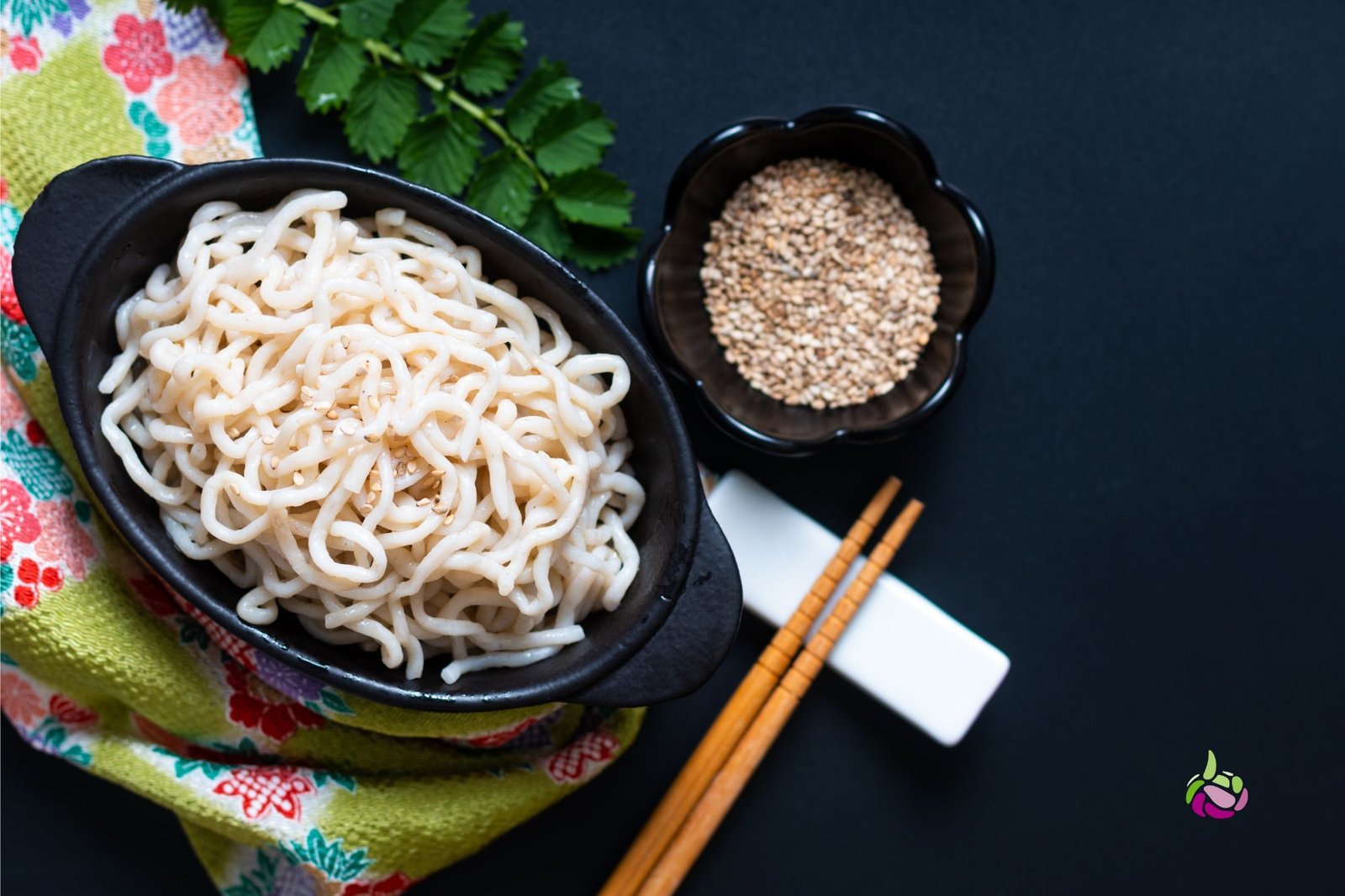
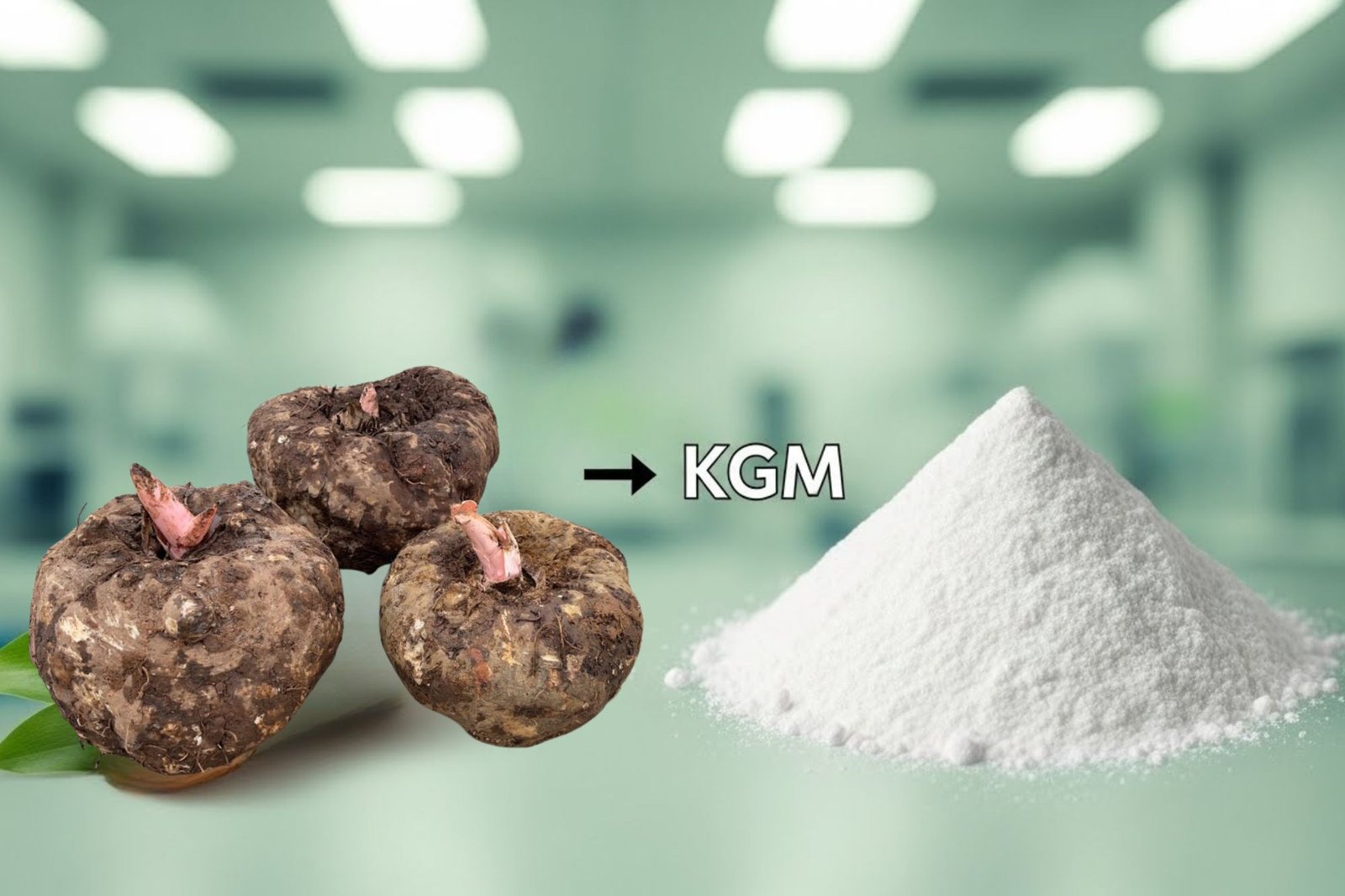
Konjac, a traditional plant native to southern and southwestern China, is increasingly gaining global recognition for its nutritional benefits and versatile applications in food production. At the heart of its popularity is konjac gum, a dietary fiber extracted from the plant’s tuber. This natural polysaccharide is low in calories and protein, but rich in glucomannan, making it ideal for health-conscious consumers and weight management.
What Is Konjac Gum?
Konjac gum is composed of D-mannose and D-glucose in a specific ratio:
Chemical Composition
D-mannose : D-glucose = 1 : 1.6
When dissolved in water, it forms a high-viscosity solution. After undergoing alkali treatment, it turns into an elastic, thermally irreversible gel. These unique characteristics allow konjac gum to be used in a variety of food products, such as konjac cake, tofu, vermicelli, and even bionic foods that mimic textures of seafood or meat.
Konjac-Based Gel Foods
Thanks to its gel-forming, emulsifying, thickening, and stabilizing properties, konjac is widely used in gel-based food production. These properties remain stable even in acidic or salty environments. The result is food that offers a smooth texture, improved gelatinity, and better mouthfeel.
Popular konjac-based gel foods include:
• Konjac tofu
• Konjac vermicelli
• Konjac cake
• Konjac soft candy
• Konjac yogurt and ice cream
• Konjac-based bubble tea pearls
Konjac Tofu
Konjac tofu is a traditional food with a distinctive taste and texture. It is typically made using either konjac powder or fresh konjac. Known for being simple to produce and highly versatile, konjac tofu is especially appealing to health-conscious and vegetarian consumers.
Konjac Vermicelli
Traditional vermicelli, often made from mung beans, rice, or potatoes, can suffer from issues like brittleness or murky soup. By incorporating konjac glucomannan into the mixture, these noodles gain:
• Better elasticity
• Enhanced toughness
• Improved cooking quality
• No chemical additives needed (like alum)
Konjac Cake
Konjac cake is made by blending konjac flour into traditional cake recipes. The inclusion of konjac helps enhance the cake’s structure, moisture retention, and gelling properties, creating a healthier dessert option that doesn’t compromise on texture or appearance.
Bionic Konjac Foods
Innovation Spotlight
One of the most innovative uses of konjac is in bionic foods, which simulate the texture and taste of meat and fruit pulp.
Bionic Meat Products
Due to konjac’s high water retention, viscoelasticity, and ability to form porous gels, it is ideal for crafting bionic meat alternatives. These products can replicate the mouthfeel of meat while offering a low-calorie, plant-based alternative.
Bionic Fruit Pulp
By mixing konjac powder with alkali, sodium alginate, fruit juice, and natural flavorings, manufacturers can create fruit pulp substitutes that are:
• Elastic and chewy
• Visually appealing
• Perfect for beverages to enhance texture and fullness
Other Food Applications of Konjac
Beyond the common products, konjac is also integrated into various other food items:
Traditional Applications:
• Konjac fruit peels
• Konjac rice cakes
• Ice cream
Modern Noodle Products:
• Ramen and instant noodles
• Knife-cut noodles
• Sliced noodles
Dumpling Applications:
• Wonton skins
• Shaomai wrappers
• Other dumpling wrappers
In these applications, konjac improves product form, texture, and resilience, making it a versatile ingredient for both modern food manufacturing and traditional recipes.
Final Thoughts
Konjac gum represents a perfect blend of traditional food wisdom and modern food technology innovation. Its unique properties make it an invaluable ingredient for creating healthier, more functional food products that meet the growing consumer demand for nutritious, low-calorie alternatives.
As the food industry continues to evolve toward healthier and more sustainable options, konjac-based ingredients will undoubtedly play an increasingly important role in shaping the future of food production and consumption.
Want to learn more about konjac applications in your products? Contact us for consultation and wholesale opportunities.