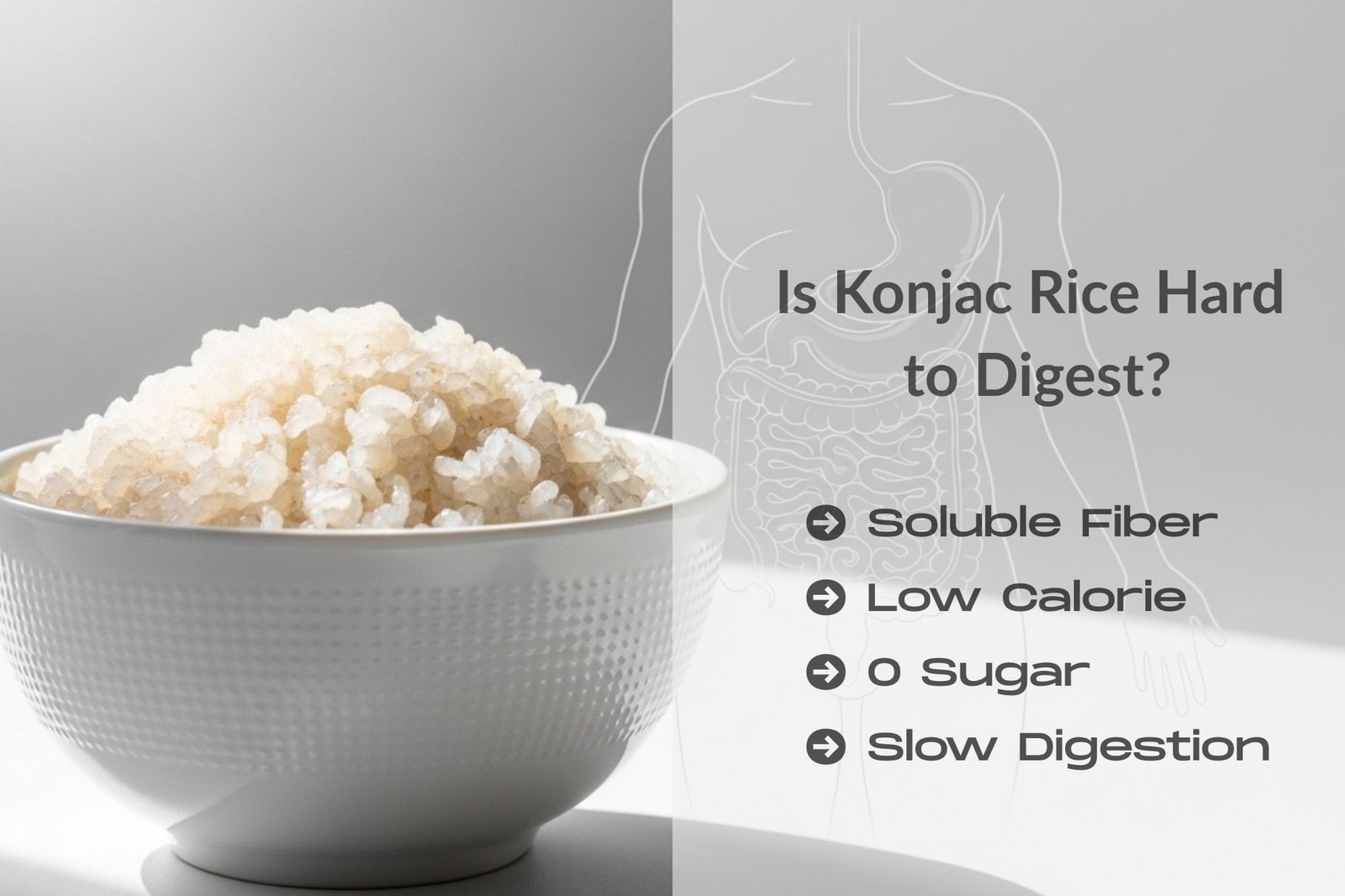
คำตอบอย่างรวดเร็ว: Konjac rice is not hard to digest for most healthy adults. While it behaves differently from regular rice due to its high fiber content, it’s actually easier on the digestive system than many people think. This guide provides evidence-based answers to all your concerns about konjac rice safety and digestibility.
สารบัญ ซ่อน
What Is Konjac Rice?
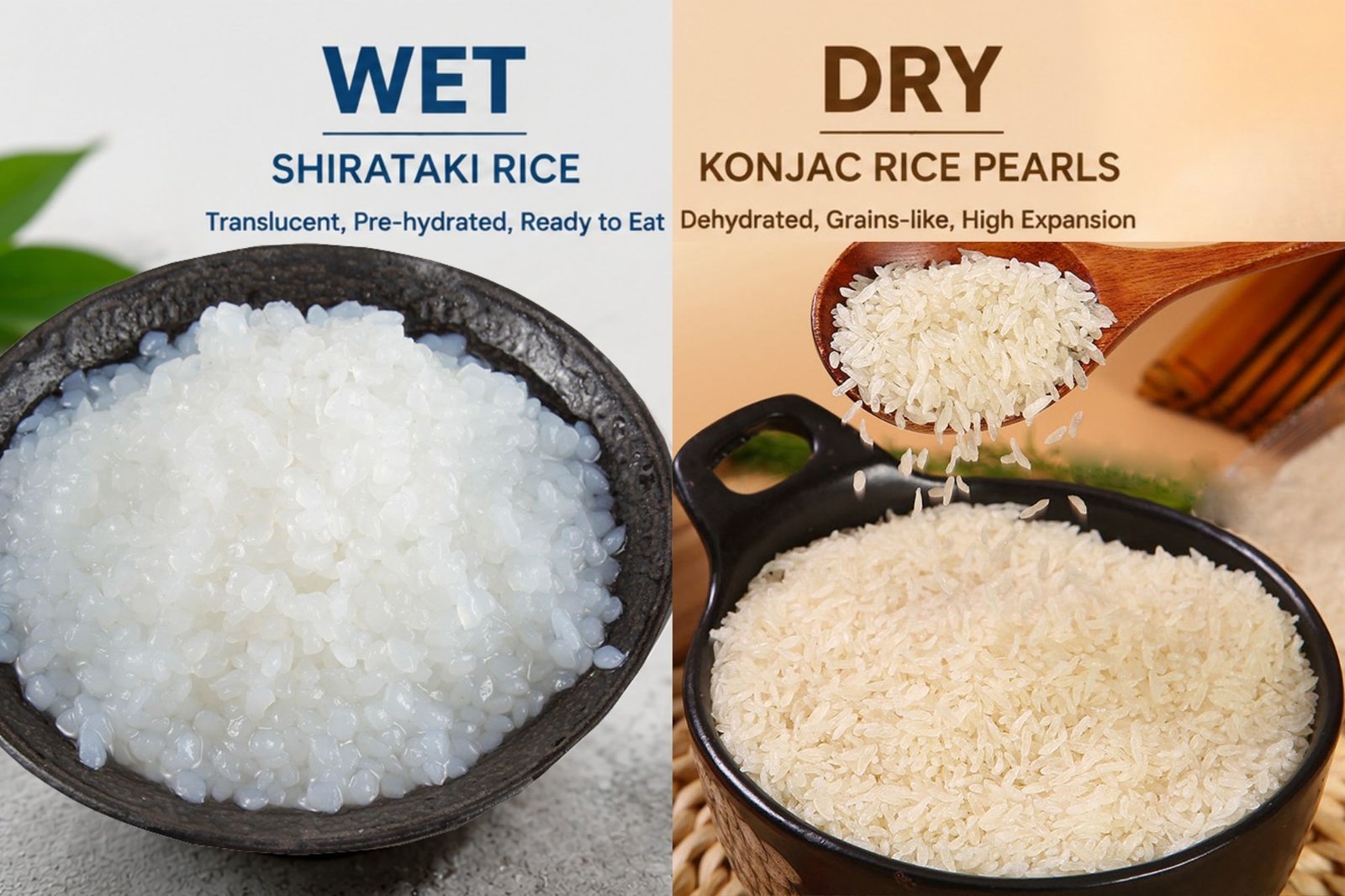
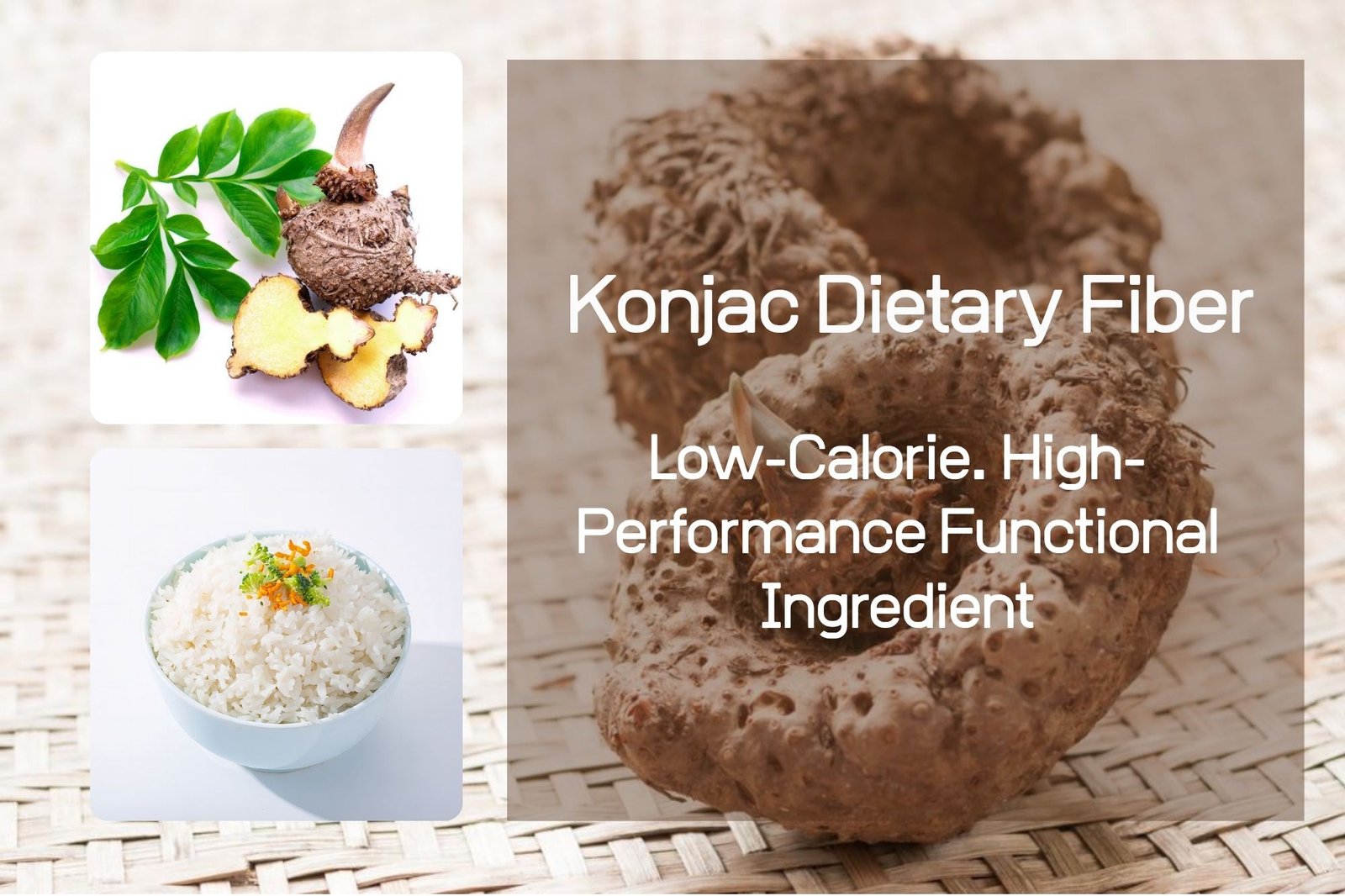
Konjac rice (หรือที่รู้จักในชื่อ shirataki rice หรือ miracle rice) ทำมาจากรากของต้นบุก (อมอร์โฟฟัลลัส คอนยัค), which has been consumed in Asia for over 1,500 years.
Key Nutritional Profile:
- แคลอรี: 5–10 per serving (100g)
- Carbohydrates: <1g net carbs
- ไฟเบอร์: 3-4g glucomannan
- ไขมัน: 0 กรัม
- โปรตีน: 0 กรัม
Main Active Component: Glucomannan
กลูโคแมนแนน is a natural soluble dietary fiber that:
Absorbs up to 50× its weight in water
Forms gel-like texture when hydrated
Slows gastric emptying for prolonged satiety
Supports healthy cholesterol levels
Helps regulate blood sugar
Modern Konjac Rice Composition:
- 95-97% น้ำ
- 3-5% กลูโคแมนแนนไฟเบอร์
- ปริมาณน้อยมาก of calcium hydroxide (food-safe firming agent)
What Makes It Different from Regular Rice:

| องค์ประกอบ | Regular Rice | ข้าวบุก |
|---|---|---|
| Main ingredient | Starch | Glucomannan fiber |
| Digestibility | Enzymatic breakdown | Bacterial fermentation |
| Blood sugar impact | High glycemic | No glycemic impact |
| แคลอรี | 350 per 100g | 5-10 per 100g |
| Satiety | Short-term | Long-lasting |
Digestibility Science Explained
Is Konjac Rice Actually Hard to Digest?
Short Answer: No — but it works differently than starch-based foods.
How Regular Rice Is Digested:
- กระเพาะอาหาร: Mechanical breakdown
- ลำไส้เล็ก: เอนไซม์เปลี่ยนแป้งเป็นกลูโคส
- Absorption: Rapid glucose uptake into bloodstream
How Konjac Rice Is Processed:
- กระเพาะอาหาร: Expands with water, increases satiety
- ลำไส้เล็ก: Passes through largely intact (no human enzymes can break down glucomannan)
- ลำไส้ใหญ่: Beneficial bacteria partially ferment the fiber
- ผลลัพธ์: Produces short-chain fatty acids (SCFAs) that benefit gut health
💡 Scientific Insight: Glucomannan is classified as a prebiotic fiber, meaning it feeds beneficial gut bacteria rather than being "digested" in the traditional sense. This process is actually easier on your digestive system than breaking down complex starches.
Clinical Evidence on Digestibility:
Research findings:
- Japanese Journal of Nutrition (2018): 95% of participants experienced no digestive discomfort with daily konjac consumption
- วารสารโภชนาการทางคลินิกแห่งยุโรป (2020): Glucomannan showed better tolerance than other soluble fibers
- American Journal of Gastroenterology (2019): No significant digestive stress in healthy adults consuming 3-5g daily
Common Side Effects & Solutions
Why Do Some People Experience Digestive Issues?
When glucomannan reaches the colon, gut bacteria ferment it, which can produce:
Beneficial Effects:
- Short-chain fatty acids (butyrate, acetate, propionate)
- Improved gut microbiome diversity
- Enhanced intestinal barrier function
Temporary Side Effects (in some individuals):
- ท้องอืดเล็กน้อย
- Increased gas production
- Changes in bowel movement frequency
- Feeling of fullness
Who’s Most Likely to Experience Side Effects?
Higher Risk Groups:
- People new to high-fiber diets
- Those with sensitive digestive systems
- Individuals with IBS or SIBO
- People who consume large portions suddenly
Lower Risk Groups:
- Regular fiber consumers
- Those with healthy gut microbiomes
- Gradual introducers
How to Prevent Digestive Issues:
1. Start Small
- Begin with 50-100g servings
- Gradually increase over 1-2 weeks
- ติดตามการตอบสนองของร่างกาย
2. Proper Preparation
- ล้างให้สะอาด ล้างด้วยน้ำเย็นเป็นเวลา 2-3 นาที
- Dry fry for 2-3 minutes to improve texture
- Combine with other foods rather than eating alone
3. Adequate Hydration
- Drink at least 8 oz water with konjac meals
- Maintain good hydration throughout the day
- Fiber needs water to function properly
4. Meal Pairing
- Combine with protein and healthy fats
- Add to vegetable-rich dishes
- Avoid eating on an empty stomach initially
⚠️ Important Note: Most digestive adaptation occurs within 1-2 weeks of regular consumption. If symptoms persist beyond this period, consult a healthcare provider.
Who Should Avoid Konjac Rice?
While konjac rice is safe for most people, certain individuals should exercise caution:
High Caution Groups:
1. People with Swallowing Disorders
- Why: Improperly prepared konjac can expand in the throat
- วิธีแก้ไข: Always ensure proper hydration and preparation
2. Individuals with Severe IBS or IBD
- Why: High-fiber foods can trigger symptoms in some cases
- วิธีแก้ไข: Introduce very gradually under medical supervision
3. Those with Intestinal Obstruction History
- Why: High-fiber foods require careful introduction
- วิธีแก้ไข: Medical clearance before consumption
4. People on Low-FODMAP Diets
- Why: Individual tolerance varies
- วิธีแก้ไข: Test small amounts first
Generally Safe For:
- Healthy adults
- People with diabetes
- Those following keto/low-carb diets
- Individuals seeking weight management
- People with high cholesterol
ความปลอดภัยในการบริโภคประจำวัน
Is It Safe to Eat Konjac Rice Every Day?
คำตอบ: ใช่ สำหรับผู้ใหญ่ที่มีสุขภาพดีส่วนใหญ่ — when consumed appropriately.
Scientific Evidence Supporting Daily Use:
การศึกษาทางคลินิก:
- 12-week study (2019): Daily glucomannan consumption (5g) showed no adverse effects
- Long-term safety data: Traditional Asian consumption patterns support regular use
- การวิเคราะห์อภิมาน (2020): Daily fiber intake up to 10g showed consistent safety profile
คำแนะนำการใช้ประจำวัน:
| กลุ่มผู้ใช้ | Recommended Amount | ความถี่ |
|---|---|---|
| New users | 50-100 กรัม | 2-3x per week |
| Regular consumers | 100-200 กรัม | รายวัน |
| High fiber dieters | Up to 300g | Daily with adequate hydration |
Daily Consumption Benefits:
- Consistent blood sugar management
- Regular satiety support
- Improved gut microbiome diversity
- Sustained weight management
- Cholesterol regulation
Best Practices for Daily Use:
- Rotate with other fiber sources (vegetables, fruits, whole grains)
- Maintain balanced nutrition — don’t rely solely on konjac
- Monitor hydration levels consistently
- Pay attention to your body’s signals
Inflammation & Health Concerns
Is Konjac Rice Inflammatory?
Scientific Answer: No — in fact, it may be anti-inflammatory.
Research Evidence:
Anti-Inflammatory Properties:
- Gut barrier support: Strengthens intestinal lining
- การผลิต SCFA: Butyrate has potent anti-inflammatory effects
- Microbiome improvement: Better bacterial balance reduces systemic inflammation
การศึกษาทางคลินิก:
- วารสารอาหารเพื่อสุขภาพ (2021): Glucomannan consumption correlated with reduced inflammatory markers
- Nutrition Reviews (2020): Soluble fiber intake associated with lower C-reactive protein levels
- Gut Microbes (2019): Prebiotic fibers support anti-inflammatory gut environment
How Konjac May Reduce Inflammation:
Microbiome Modulation
- ให้อาหารแบคทีเรียที่เป็นประโยชน์ (แลคโตบาซิลลัส, บิฟิโดแบคทีเรียม)
- Reduces harmful bacterial overgrowth
- Improves bacterial diversity
Short-Chain Fatty Acid Production
- Butyrate supports intestinal barrier function
- Acetate helps regulate immune responses
- Propionate supports metabolic health
Blood Sugar Stabilization
- Reduces glucose spikes that trigger inflammation
- Improves insulin sensitivity
- Supports metabolic balance
⚠️ Individual Variation: While research supports anti-inflammatory effects, some people with specific gut conditions may experience temporary inflammatory responses during initial adaptation.
Regulatory Status & Bans
Why Do People Think Konjac Is "Banned"?
This is a common misconception based on outdated information.
The Real Story:
What Was Actually Restricted:
- Mini konjac jelly cups (early 2000s)
- Specific product format — not the ingredient itself
- Choking hazard concern for small children
- Size and texture combination created risk
What Was NOT Banned:
- Konjac as a food ingredient
- Konjac noodles and rice
- Glucomannan supplements
- Traditional konjac foods
Current Regulatory Status:
| Region | Status | Regulation |
|---|---|---|
| 🇺🇸 United States | ✅ GRAS Approved | FDA recognized as safe |
| 🇪🇺 European Union | ✅ E425 Approved | Novel food regulation compliant |
| 🇨🇦 Canada | ✅ Health Canada Approved | Natural health product approved |
| 🇦🇺 Australia | ✅ TGA Approved | Food Standards Australia compliant |
| 🇯🇵 Japan | ✅ Traditional Use | 1,500+ year consumption history |
Modern Safety Standards:
Quality Certifications for Konjac Products:
- BRC (British Retail Consortium)
- IFS (International Food Standard)
- HACCP (Hazard Analysis Critical Control Points)
- ISO 22000 (Food Safety Management)
- Organic certifications (where applicable)
Digestive Benefits of Konjac Rice
Beyond safety, konjac rice offers significant digestive advantages:
1. Promotes Healthy Satiety
- กลไก: Expands 50× in stomach
- Benefit: Reduces overeating without restricting nutrients
- Research: 16% reduction in caloric intake in clinical studies
2. Supports Gut Microbiome
- Prebiotic effect: Feeds beneficial bacteria
- Diversity improvement: Increases bacterial species variety
- การผลิต SCFA: Supports intestinal health
3. Regulates Bowel Movements
- Bulk formation: Improves stool consistency
- Transit time: Normalizes digestive rhythm
- Gentle action: Less harsh than stimulant laxatives
4. Blood Sugar Management
- Slows absorption: Reduces post-meal glucose spikes
- Insulin sensitivity: Improves metabolic markers
- A1C support: Helps with long-term glycemic control
5. Cholesterol Support
- การจับกับกรดน้ำดี: เพิ่มการขับคอเลสเตอรอล
- LDL reduction: Clinical studies show 10-15% decreases
- Heart health: Supports cardiovascular wellness
Quality Matters: Impact on Digestibility
Not all konjac rice products are created equal. Manufacturing quality significantly affects digestibility and consumer experience.
Key Quality Factors:
Premium Processing Standards:
- Thorough purification removes alkaline residues
- ✅ Advanced deodorization eliminates fishy odors
- ✅ Controlled pH balancing optimizes digestibility
- ✅ Proper moisture management ensures texture stability
- ✅ Hygienic packaging maintains freshness
สัญญาณเตือนคุณภาพ:
- ❌ กลิ่นคาวปลาแรง (inadequate processing)
- ❌ ความเป็นด่างสูงเกินไป (poor pH control)
- ❌ พื้นผิวไม่สม่ำเสมอ (การผลิตที่ไม่สม่ำเสมอ)
- ❌ อายุการเก็บรักษาสั้น (poor packaging)
How to Choose High-Quality Konjac Rice:
- Look for established brands with quality certifications
- Check ingredient lists — minimal additives are better
- Read reviews about texture and odor
- Choose products with clear origin and manufacturing information
- Opt for organic when available for additional quality assurance
Practical Consumption Guidelines
For Beginners:
Week 1-2: Introduction Phase
- Serving size: 50-100 กรัม
- Frequency: 2-3 times per week
- Preparation: Always rinse and dry-fry
- Pairing: Combine with familiar foods
Week 3-4: Adaptation Phase
- Serving size: 100-150g
- Frequency: Every other day
- Variety: Try different preparation methods
- Monitoring: Note any digestive changes
Week 5+: Regular Use
- Serving size: 100-200g as desired
- Frequency: Daily if tolerated
- Integration: Include as regular meal component
For Optimal Results:
แนวทางปฏิบัติที่ดีที่สุดในการเตรียมการ:
- ล้างให้สะอาด for 2-3 minutes under cold water
- Dry fry ในกระทะเป็นเวลา 2-3 นาที (เพื่อลดความชื้นส่วนเกิน)
- Season well — konjac absorbs flavors readily
- Combine strategically with proteins and vegetables
Meal Timing:
- Best with: Lunch or dinner
- Avoid: Large servings before bedtime
- Ideal: 30 minutes before other meal components (for satiety)
บทสรุปการวิจัยทางวิทยาศาสตร์
Major Clinical Studies:
Digestibility Studies:
- 2018 Japanese Nutrition Study: 95% tolerance rate in 200 participants
- 2019 European Clinical Trial: No significant adverse events in 8-week study
- 2020 Meta-Analysis: Compiled data from 15 studies showing consistent safety
Health Benefits Research:
- Weight Management: Average 2.5kg additional weight loss over 12 weeks
- Cholesterol: 10-15% LDL reduction in multiple studies
- Blood Sugar: การลดลงของระดับน้ำตาลในเลือดหลังมื้ออาหาร 23%
- Satiety: 16% reduction in caloric intake without hunger
Long-term Safety Data:
- Traditional Use: 1,500+ years of consumption in Asia
- Modern Studies: No serious adverse events in clinical trials
- Population Data: No increased health risks in regular consumers
Final Recommendation
Is Konjac Rice Right for You?
Consider konjac rice if you:
- Want a low-calorie rice alternative
- Need better blood sugar management
- Seek weight management support
- Desire increased fiber intake
- Follow keto/low-carb lifestyles
Use caution if you:
- Have severe digestive disorders
- Are new to high-fiber foods
- Have swallowing difficulties
- Take medications requiring timed absorption
Success Strategy:
- เริ่มต้นอย่างค่อยเป็นค่อยไป with small portions
- Prepare properly for best texture and digestibility
- Stay hydrated throughout consumption
- Choose quality products from reputable manufacturers
- Listen to your body and adjust accordingly
For Food Industry Professionals
Market Trends & Consumer Demands:
Growing Markets:
- Keto/Low-carb: 12% annual growth
- Diabetes-friendly foods: $8.9B market size
- Plant-based alternatives: 20% growth rate
- Functional foods: $279B global market
ปัจจัยความสำเร็จหลัก:
- Superior digestibility through quality processing
- Clean taste profile with minimal odor
- เนื้อสัมผัสที่สม่ำเสมอ across product batches
- Clear labeling about preparation and benefits
- การตลาดทางการศึกษา addressing safety concerns
Manufacturing Excellence Standards:
Critical Quality Control Points:
- Raw material sourcing — premium konjac root selection
- Processing optimization — controlled pH and temperature
- Purification standards — removal of alkaline compounds
- Texture enhancement — proper moisture and pH balance
- Packaging integrity — shelf-life optimization
Consumer Education Opportunities:
- Preparation guides included with products
- Digestibility information on packaging
- Gradual introduction recommendations
- Recipe suggestions for optimal experience
คำถามที่พบบ่อย
Q: Will konjac rice upset my stomach?
A: Most people tolerate konjac rice well. Start with small portions and ensure adequate hydration to minimize any adjustment period.
Q: Can I eat konjac rice if I have IBS?
A: Consult your healthcare provider first. Some IBS sufferers tolerate it well, while others may need to introduce it very gradually.
Q: How much water should I drink with konjac rice?
A: Aim for at least 8-10 oz of water with konjac meals, and maintain good hydration throughout the day.
Q: Why does my konjac rice smell fishy?
A: This indicates lower quality processing. Always rinse thoroughly, and choose products from reputable manufacturers with proper purification processes.
Q: Can children eat konjac rice?
A: While generally safe, supervise preparation and ensure proper chewing. Start with very small amounts for children under 10.
Q: How long does digestive adaptation take?
A: Most people adapt within 1-2 weeks of regular consumption. Any initial bloating typically decreases significantly during this period.
This comprehensive guide is based on current scientific research and industry best practices. For specific health concerns, always consult with qualified healthcare professionals.