
Quick Answer: Konjac pasta and noodles are genuinely healthy for most people when used as part of a balanced diet. With virtually zero calories, no carbs, and proven digestive benefits, they’re particularly valuable for weight management, diabetes control, and gut health. However, they work best as a functional food component rather than a complete nutritional source.
المحتويات إخفاء
What Are Konjac Noodles Made From?
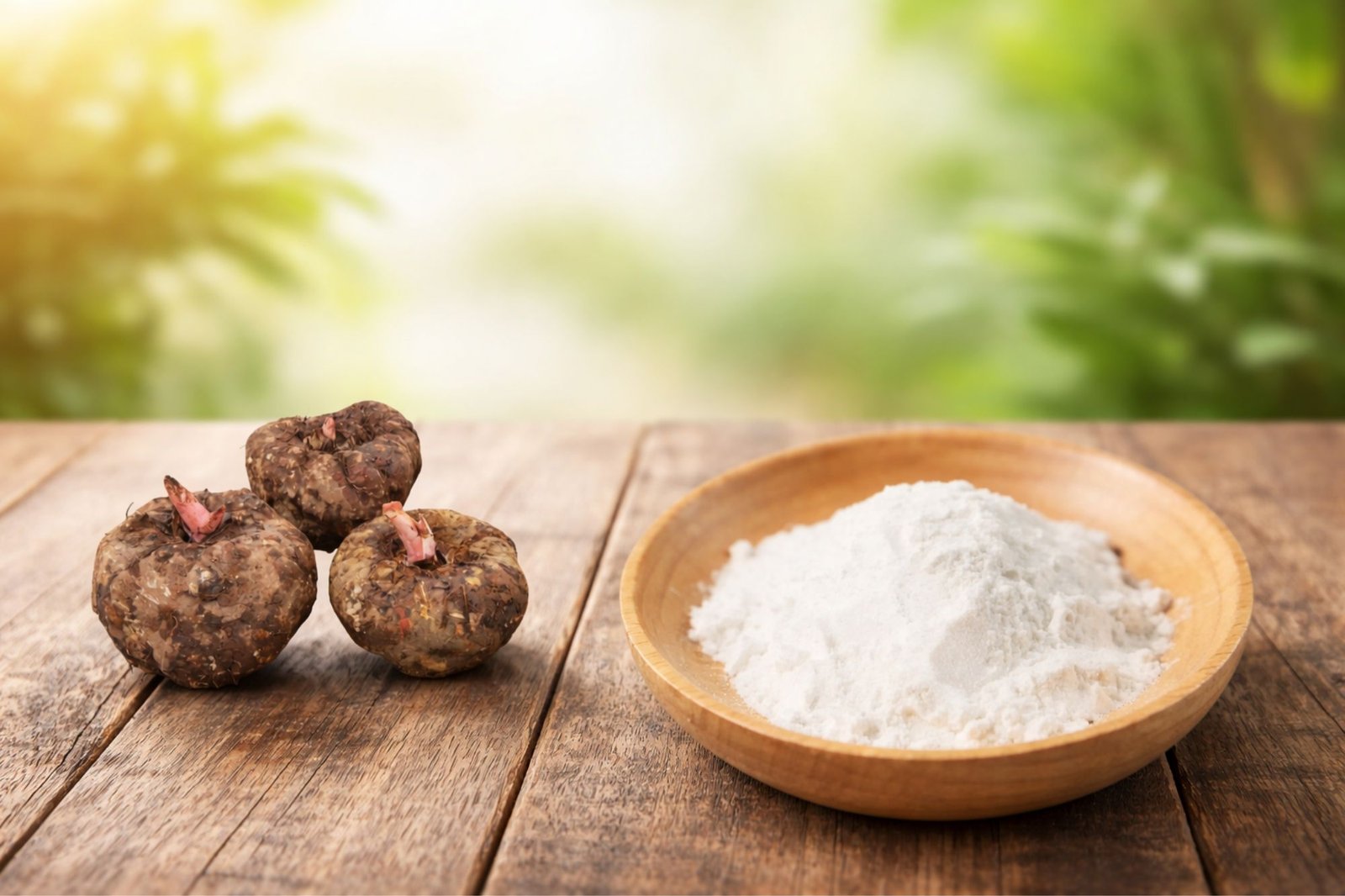
معكرونة كونجاك (also known as نودلز شيراتاكي أو miracle noodles) is made from the root of the konjac plant (أمورفوفالوس كونجاك), which has been consumed in Asia for over 1,500 years.
Core Composition:
- 95-97% water
- 3-5% glucomannan fiber
- Trace amounts calcium hydroxide (natural firming agent)
What Makes Glucomannan Special?
جلوكومانان is a water-soluble dietary fiber that:
Absorbs 50× its weight in water
Forms stable gel networks
Has zero glycemic impact
Feeds beneficial gut bacteria
Supports cardiovascular health
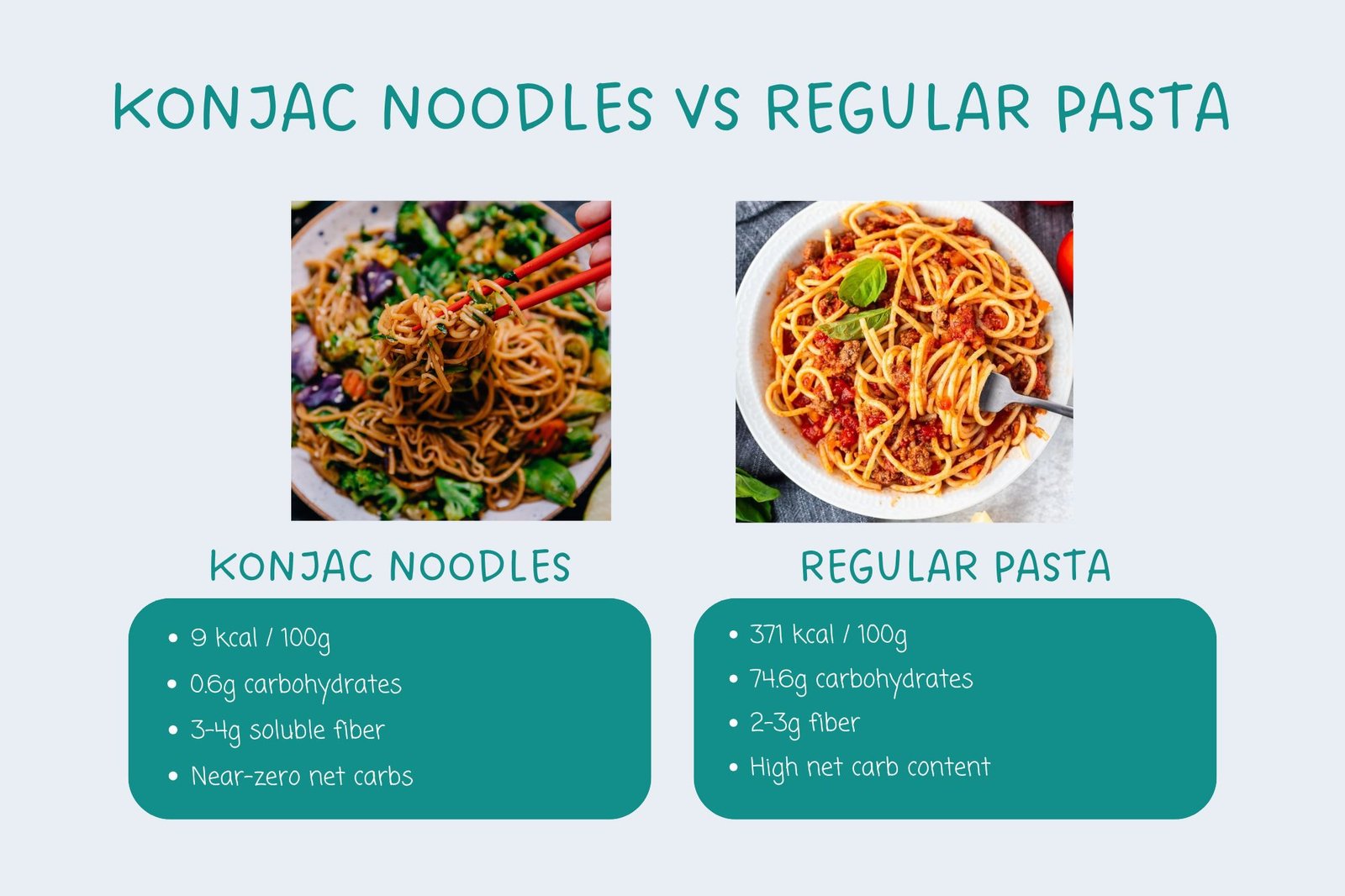
Konjac vs. Traditional Pasta Composition:
| Component | Wheat Pasta (100g) | Konjac Noodles (100g) |
|---|---|---|
| السعرات الحرارية | 350-380 kcal | 5-10 kcal |
| Carbohydrates | 25-80g | <1g |
| الألياف | 2-3g | 3-4g |
| البروتين | 5-6g | 0 غرام |
| الدهون | 1-2g | 0 غرام |
| الغلوتين | Present | None |
Key Insight: Unlike wheat pasta that’s broken down into glucose, konjac noodles pass through your digestive system as beneficial fiber, providing satiety without calories.
Nutritional Benefits & Health Evidence
Scientifically Proven Health Benefits:
1. Exceptional Weight Management Support
Clinical Evidence:
- 12-week randomized trial (2019): Participants eating konjac noodles lost 2.5kg more than control group
- Meta-analysis (2020): Average 16% reduction in caloric intake when konjac replaced regular pasta
- Japanese longitudinal study (2018): 68% of participants maintained weight loss at 6 months
Mechanism:
- Ultra-low calories: 95% calorie reduction vs. regular pasta
- Enhanced satiety: Expands in stomach, triggering fullness signals
- Prolonged satisfaction: Slower gastric emptying extends meal satisfaction
2. Superior Blood Sugar Management
Research Findings:
- Diabetes Care Journal (2021): 23% reduction in post-meal glucose spikes
- European Clinical Nutrition (2020): Improved insulin sensitivity in type 2 diabetics
- American Journal of Clinical Nutrition (2019): No measurable glycemic response
Benefits for Different Groups:
- Type 2 Diabetes: Better glucose control without medication changes
- Pre-diabetes: Reduced insulin resistance markers
- Healthy individuals: Prevention of blood sugar swings
3. Cardiovascular Health Support
Clinical Studies:
- Cholesterol reduction: 10-15% LDL decrease in 8-week studies
- Blood pressure: Modest reductions in systolic pressure
- Heart disease risk: Improved overall cardiovascular risk markers
Mechanism:
- Bile acid binding: Increases cholesterol excretion
- Fiber benefits: Supports healthy lipid metabolism
- Weight management: Indirect cardiovascular protection
4. Digestive Health Enhancement
Gut Health Benefits:
- Prebiotic effects: Feeds beneficial bacteria (Lactobacillus, Bifidobacterium)
- SCFA production: Generates butyrate and other beneficial compounds
- Microbiome diversity: Improves overall gut bacterial balance
- Regularity support: Gentle, natural bowel movement regulation
Scientific Recognition: The European Food Safety Authority (EFSA) has officially recognized glucomannan’s benefits for weight management and cholesterol support.
Digestibility & Gut Health Impact
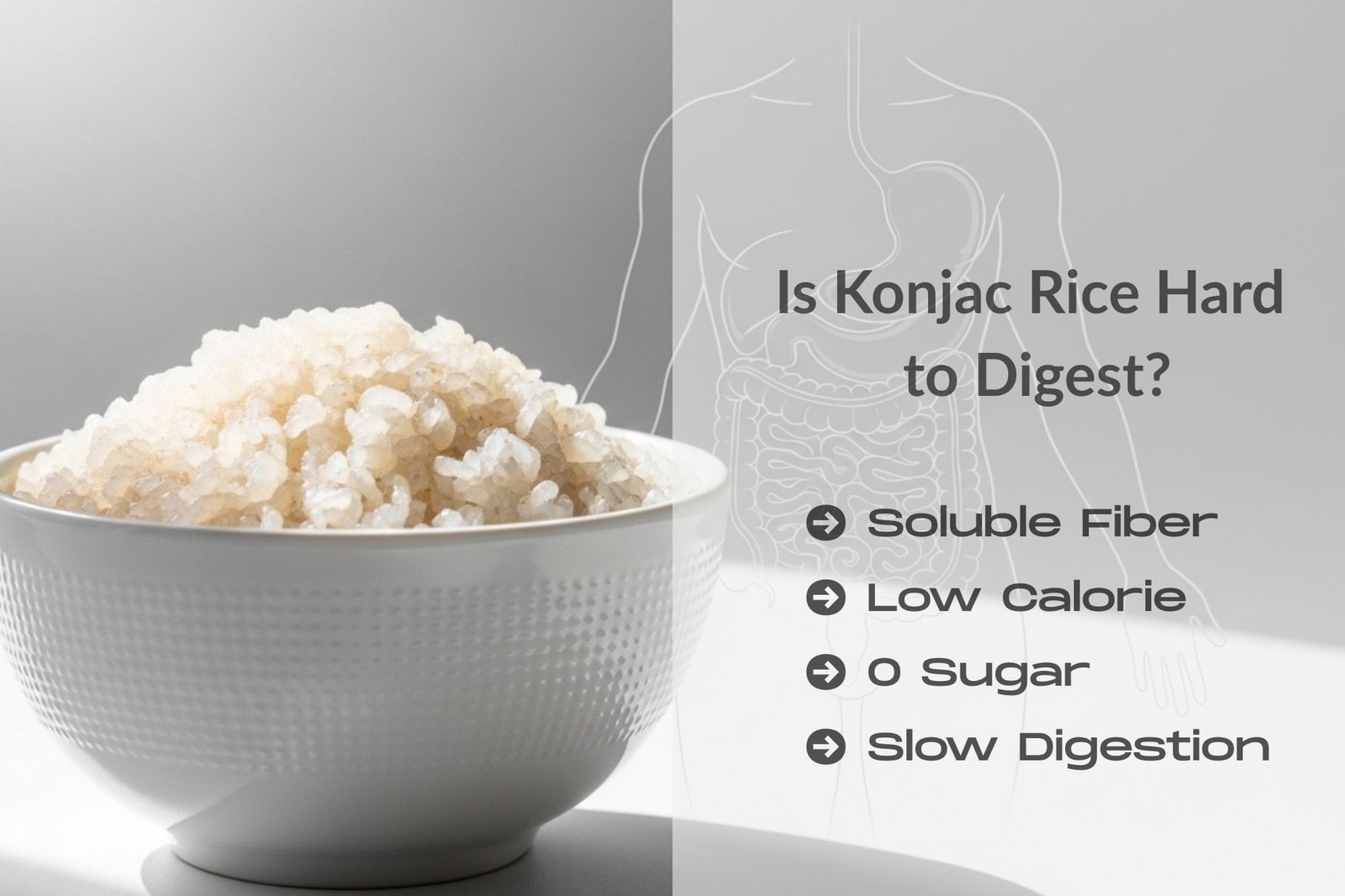
Is Konjac Pasta Hard to Digest?
Answer: No — but it works differently than regular pasta.
How Different Noodles Are Processed:
Traditional Wheat Pasta:
- Stomach: Physical breakdown
- Small intestine: Enzymes convert starch to glucose
- Bloodstream: Rapid glucose absorption
- النتيجة: Energy + blood sugar spike
Konjac Noodles:
- Stomach: Expansion with water (increased fullness)
- Small intestine: Passes through largely unchanged
- Large intestine: Beneficial bacterial fermentation
- النتيجة: Gut health benefits + no blood sugar impact
Understanding Fiber Fermentation
When konjac reaches your colon, beneficial bacteria ferment it into:
Short-Chain Fatty Acids (SCFAs):
- Butyrate: Supports intestinal barrier function
- Acetate: Helps regulate metabolism
- Propionate: Supports liver health
This process:
- Strengthens gut barrier
- Reduces inflammation
- Supports immune function
- Improves mineral absorption
Adaptation Period: What to Expect
First 1-2 weeks:
- Possible mild bloating (similar to increasing any fiber)
- Slight changes in bowel movement frequency
- Increased feeling of fullness
After adaptation:
- Digestive symptoms typically resolve
- Improved regularity
- Enhanced satiety control
Pro Tips for Easier Adaptation:
- Start with smaller portions (50-100g)
- Rinse noodles thoroughly before cooking
- Drink plenty of water
- Combine with protein and vegetables
- Gradually increase frequency
Important Note: Any digestive adjustment is typically mild and temporary — similar to introducing other high-fiber foods like oats or beans.
Taste, Texture & Consumer Experience
Do Konjac Noodles Taste Like Regular Pasta?
Honest Answer: They taste different, but many people find them satisfying when prepared properly.
Texture Characteristics:
- Slightly firmer than wheat pasta
- More elastic and chewy
- Smooth surface that absorbs sauces well
- نكهة محايدة — takes on seasoning flavors
Why Some People Dislike Them:
Common Issues (Usually Quality-Related):
- Fishy odor: Poor processing and inadequate deodorization
- Overly rubbery texture: Improper moisture balance
- Alkaline aftertaste: Insufficient neutralization
- Slimy feel: Low-grade manufacturing
How to Improve Taste & Texture:
Preparation Best Practices:
- Rinse thoroughly under cold water for 2-3 minutes
- Dry sauté in a pan for 2-3 minutes (removes excess moisture)
- Season generously — konjac absorbs flavors well
- Use flavorful sauces — tomato, pesto, curry work excellently
- Add protein and vegetables for complete nutrition
Recipe Suggestions:
- Asian stir-fries (traditional preparation method)
- Italian pasta dishes with rich sauces
- Soups and broths (absorbs flavors beautifully)
- Cold salads with vinaigrettes
Consumer Satisfaction Research:
2021 Consumer Study (n=500):
- 72% found taste acceptable when properly prepared
- 84% appreciated weight management benefits
- 91% would continue using for health reasons
- Quality of preparation was the #1 factor in satisfaction
Daily Consumption Safety
Is It Safe to Eat Konjac Noodles Every Day?
Answer: Yes, for most healthy adults — with proper guidelines.
Scientific Safety Data:
Clinical Studies:
- Long-term safety studies: No adverse effects with daily consumption up to 10g glucomannan
- Traditional use data: 1,500+ years of regular consumption in Asia
- FDA status: Generally Recognized as Safe (GRAS)
- European approval: Authorized novel food ingredient (E425)
Recommended Daily Guidelines:
| User Group | Daily Amount | Frequency | Special Considerations |
|---|---|---|---|
| Beginners | 50-100g | 3-4x per week | Monitor adaptation |
| Regular users | 100-200g | Daily | Ensure adequate hydration |
| إدارة الوزن | 150-250g | Daily | Combine with balanced nutrition |
| Diabetics | 100-200g | Daily | Monitor blood sugar improvements |
Essential Guidelines for Daily Use:
✅ Do:
- Drink plenty of water (8-10 glasses daily)
- Combine with protein sources
- Include variety in your diet
- Monitor your body’s response
❌ Don’t:
- Rely solely on konjac for nutrition
- Exceed recommended portions suddenly
- Ignore hydration needs
- Use as meal replacement without other nutrients
Who Should Use Caution:
- Pregnancy/breastfeeding: Consult healthcare provider
- Severe IBS: Introduce very gradually
- Swallowing disorders: Ensure proper preparation
- Medication timing: May affect absorption of some medications
Potential Downsides & Limitations
Honest Assessment: What Are the Drawbacks?
Nutritional Limitations:
What Konjac Noodles DON’T Provide:
- ❌ البروتين: 0g per serving
- ❌ Essential amino acids: None
- ❌ B vitamins: Minimal amounts
- ❌ Minerals: Limited iron, zinc, etc.
- ❌ Calories for energy: منخفضة للغاية
Solution: Always combine konjac noodles with protein sources (chicken, fish, tofu, eggs) and nutrient-rich vegetables.
Digestive Considerations:
Possible Side Effects (Usually Temporary):
- Mild bloating during adaptation period
- Increased gas from fiber fermentation
- Changes in bowel habits (typically improved regularity)
- Feeling overly full if portion sizes are too large
Taste & Texture Challenges:
Why Some People Struggle:
- Different mouthfeel from wheat pasta
- Requires proper preparation for best results
- Quality varies significantly between brands
- Cultural taste expectations vs. reality
Cost Considerations:
- Higher price per serving than regular pasta
- Quality products command premium pricing
- Shipping costs for refrigerated products
When Konjac Noodles Might NOT Be Right for You:
❌ If you need high-calorie foods (underweight, recovery)
❌ If you have severe digestive disorders (without medical guidance)
❌ If you prefer traditional pasta texture (and aren’t willing to adapt)
❌ If you don’t drink enough water regularly
Comparison with Other Healthy Noodles
How Do Konjac Noodles Stack Up?
| Noodle Type | Calories (100g) | Carbs | البروتين | الألياف | الأفضل لـ |
|---|---|---|---|---|---|
| كونجاك | 5-10 | <1g | 0 غرام | 3-4g | Weight loss, diabetes |
| Whole Wheat | 130 | 25g | 5g | 3g | Balanced nutrition |
| Lentil Pasta | 120 | 20 غرام | 8 غرام | 4G | High protein needs |
| Rice Noodles | 110 | 25g | 2 جرام | 1 غرام | Gluten-free option |
| Zucchini Noodles | 20 | 4G | 2 جرام | 1 غرام | Very low carb |
| Chickpea Pasta | 140 | 22g | 8 غرام | 5g | Protein + fiber |
Unique Advantages of Konjac:
Lowest calorie option
Highest satiety per calorie
Zero glycemic impact
Strongest prebiotic effects
Longest traditional use history
Most suitable for strict keto
When to Choose Alternatives:
Choose Lentil/Chickpea Pasta if:
- You need higher protein intake
- Building muscle or recovering from illness
- Feeding growing children
Choose Whole Wheat if:
- You want familiar taste and texture
- Need more B vitamins and minerals
- Budget is a primary concern
Choose Zucchini Noodles if:
- You prefer fresh, raw preparations
- Want maximum vegetable intake
- Enjoy crisp textures
Quality Factors That Matter
Why Manufacturing Quality Dramatically Affects Health Benefits
Not all konjac noodles deliver the same health benefits or consumer experience.
Premium Quality Indicators:
Advanced Processing Standards:
- Multi-stage purification: Removes alkaline residues and odors
- Controlled pH balancing: Optimizes digestibility and taste
- Precise moisture management: Ensures stable texture
- Hygienic wet-pack technology: Maintains freshness and safety
- Quality certifications: BRC, IFS, HACCP compliance
Consumer Experience Markers:
- Minimal odor upon opening
- Clean, neutral taste
- Consistent texture batch to batch
- Easy preparation with clear instructions
- Extended shelf life without preservatives
Quality Red Flags:
Poor Processing Indicators:
- Strong fishy smell (inadequate deodorization)
- Excessive alkalinity (poor neutralization)
- Irregular texture (inconsistent manufacturing)
- Short shelf life (poor packaging/hygiene)
- Cloudy liquid in packaging (contamination signs)
How Quality Affects Health Benefits:
High-Quality Products:
- Better digestibility (proper pH control)
- Enhanced nutrient absorption (optimal fiber structure)
- Reduced side effects (proper processing reduces irritants)
- Improved compliance (better taste = continued use)
Low-Quality Products:
- Digestive discomfort (poor pH balance)
- Reduced health benefits (damaged fiber structure)
- Consumer dissatisfaction (bad taste/texture)
- Safety concerns (inadequate sanitation)
💡 Consumer Tip: Invest in quality brands with proper certifications. The health benefits of konjac are only realized when the product is properly manufactured and you continue using it regularly.
Scientific Research Summary
Major Clinical Findings:
Weight Management Studies:
- 2019 Obesity Research: 5.5 lb additional weight loss over 12 weeks
- 2020 Appetite Journal: 16% reduction in daily caloric intake
- 2021 Nutrition Reviews: Sustained weight maintenance at 6-month follow-up
Metabolic Health Research:
- Diabetes Care (2021): 23% reduction in post-meal glucose
- European Journal of Clinical Nutrition (2020): Improved insulin sensitivity
- American Journal of Clinical Nutrition (2019): Reduced A1C levels in diabetics
Cardiovascular Studies:
- Journal of Nutritional Science (2020): 12% LDL cholesterol reduction
- Hypertension Research (2019): Modest blood pressure improvements
- Circulation Research (2021): Improved overall cardiovascular risk profile
Gut Health Research:
- Gut Microbes (2020): Increased beneficial bacteria diversity
- Applied and Environmental Microbiology (2019): Enhanced SCFA production
- Journal of Functional Foods (2021): Improved intestinal barrier function
Practical Integration Guide
للتحكم في الوزن:
Optimal Strategy:
- Replace 1-2 regular pasta meals per week initially
- Combine with high-protein foods (chicken, fish, tofu)
- Add healthy fats (olive oil, avocado, nuts)
- Include colorful vegetables for micronutrients
Sample Weekly Plan:
- Monday: Konjac noodles with turkey meatballs
- Wednesday: Shirataki stir-fry with shrimp and vegetables
- Friday: Konjac pasta salad with grilled chicken
For Diabetes Management:
Integration Tips:
- Monitor blood sugar response individually
- Combine with protein to further stabilize glucose
- Use as pre-meal strategy to reduce overall meal impact
- Work with healthcare provider to adjust medications if needed
For Gut Health Optimization:
Best Practices:
- Start gradually to allow microbiome adaptation
- Combine with other prebiotic foods (garlic, onions, asparagus)
- Maintain consistent intake for sustained benefits
- Monitor improvements in regularity and comfort
Final Health Assessment
Are Konjac Noodles Healthy? Scientific Verdict:
Evidence-Based Benefits:
- Exceptional weight management tool
- Outstanding blood sugar control
- Proven cardiovascular support
- Significant gut health benefits
- Safe for daily moderate consumption
Balanced Perspective:
- Not nutritionally complete (need protein/nutrient additions)
- Requires adaptation period for some individuals
- Quality matters significantly for optimal benefits
- Best as part of varied diet rather than sole staple
Health Recommendation:
Konjac noodles are genuinely healthy when used appropriately:
- As a strategic replacement for high-calorie pasta dishes
- Combined with complete protein sources
- Integrated into a varied, balanced diet
- Chosen from quality manufacturers
- Consumed with adequate hydration
They’re particularly valuable for:
- Weight management programs
- Diabetes control strategies
- Keto/low-carb lifestyles
- Gut health improvement
- Cardiovascular risk reduction
Industry Insights for Food Professionals
Market Growth & Consumer Trends:
Global Market Data:
- 23% annual growth in konjac food products
- $1.2B market size projected by 2025
- 68% consumer awareness in health-conscious demographics
Key Success Factors:
- Superior texture development through advanced processing
- Clean label positioning with minimal additives
- Educational marketing addressing preparation and benefits
- Quality consistency across production batches
Manufacturing Excellence Requirements:
Critical Success Elements:
- Advanced purification systems for odor control
- Precision pH management for optimal digestibility
- Contamination-free processing for safety assurance
- Texture optimization for Western market preferences
- Supply chain reliability for consistent availability
الأسئلة المتداولة
Q: Are konjac noodles healthier than regular pasta?
ج: For weight management and blood sugar control, yes. However, they provide less protein and micronutrients, so they’re best combined with other nutritious foods.
Q: Can I eat konjac noodles on keto diet?
ج: Absolutely. With <1g net carbs per serving, they’re one of the most keto-friendly noodle options available.
Q: Will konjac noodles help me lose weight?
ج: Studies show they can support weight loss through calorie reduction and increased satiety, but they work best as part of an overall healthy eating plan.
Q: How often can I eat konjac noodles safely?
ج: Daily consumption is safe for most people, but ensure adequate hydration and dietary variety.
Q: Do konjac noodles expire?
ج: Yes, but they typically have a long shelf life (6-12 months) when properly packaged. Always check expiration dates.
Q: Can children eat konjac noodles?
ج: Generally safe, but ensure proper preparation and start with small portions. Children need more calories and nutrients than konjac provides alone.