Why Regular Pasta Is Not Good for Diabetics
What Happens When You Eat Regular Pasta
Regular pasta is made from white flour. When you eat it, your body turns it into sugar very quickly. This makes your blood sugar go up fast.
Here’s what happens in your body:
- You eat pasta
- Your body turns it into sugar in 15-30 minutes
- Your blood sugar goes up high
- If you have diabetes, your body can’t handle this sugar well
This is why doctors tell people with diabetes to be careful with regular pasta.
The Glycemic Index (GI) Explained
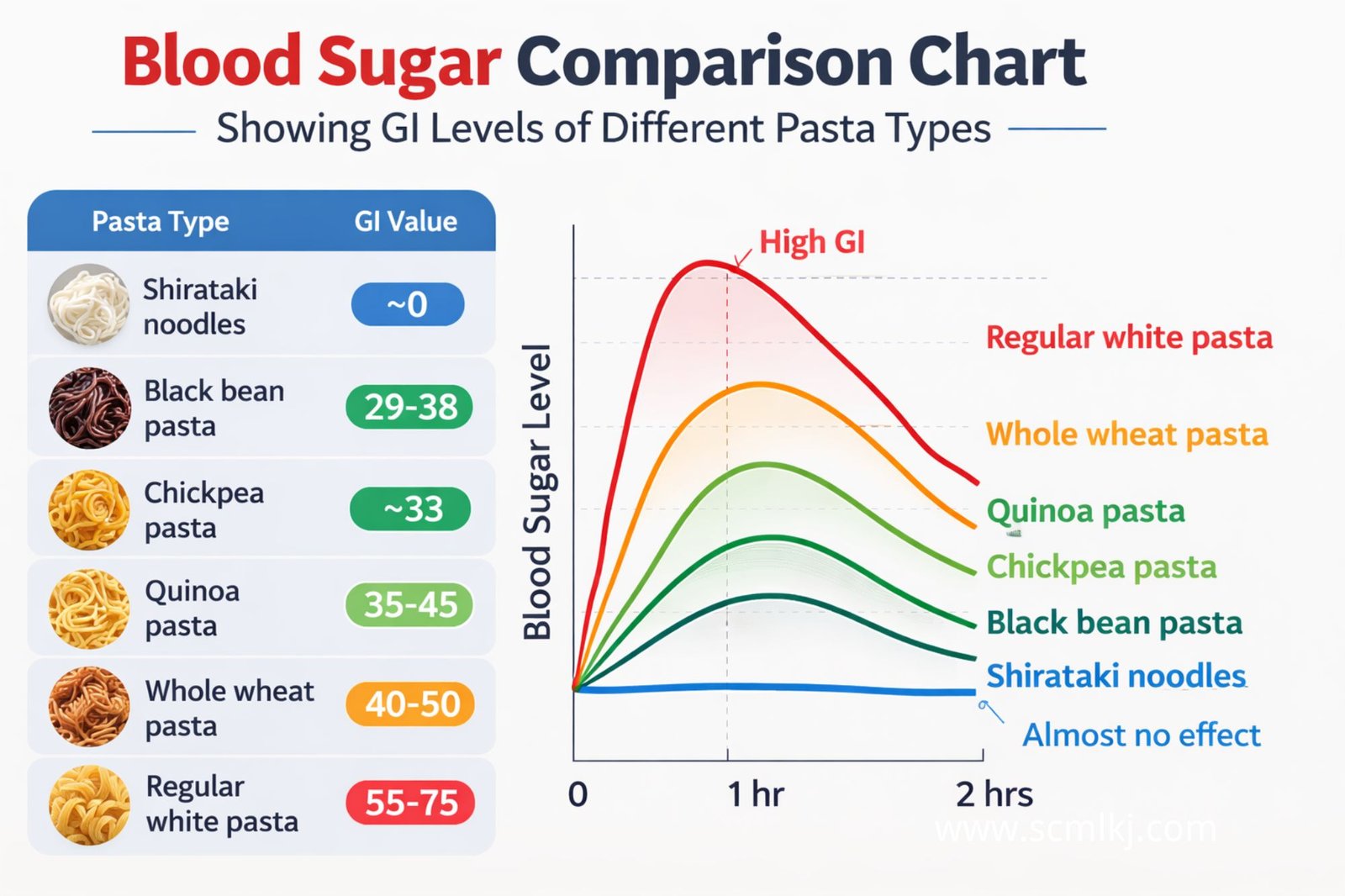
The glycemic index (GI) tells us how fast a food raises your blood sugar. Lower numbers are better for diabetics.
| Pasta Type | GI Number | What It Means |
|---|---|---|
| Shirataki noodles | ~0 | Almost no effect on blood sugar |
| Black bean pasta | 29-38 | Very low effect |
| Chickpea pasta | ~33 | Low effect |
| Quinoa pasta | 35-45 | Low effect |
| Whole wheat pasta | 40-50 | Medium-low effect |
| Regular white pasta | 55-75 | High effect |
Simple rule: GI under 55 is good for diabetics. All 5 options below are under 55!
Top 5 Best Pasta for Diabetics
Here are the 5 best low-sugar pasta choices, from lowest to highest GI.
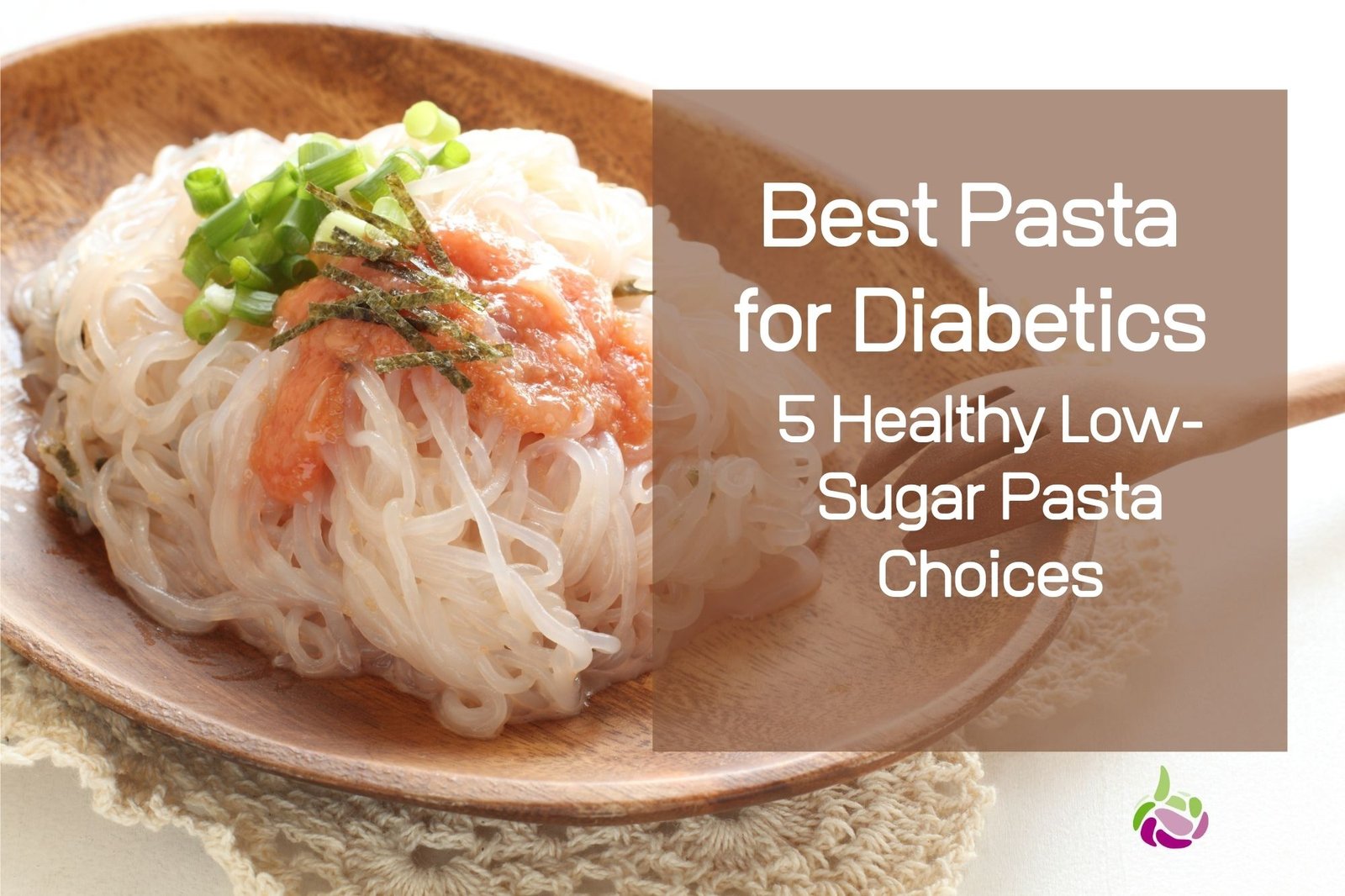
1. Shirataki Noodles (GI: Almost 0)
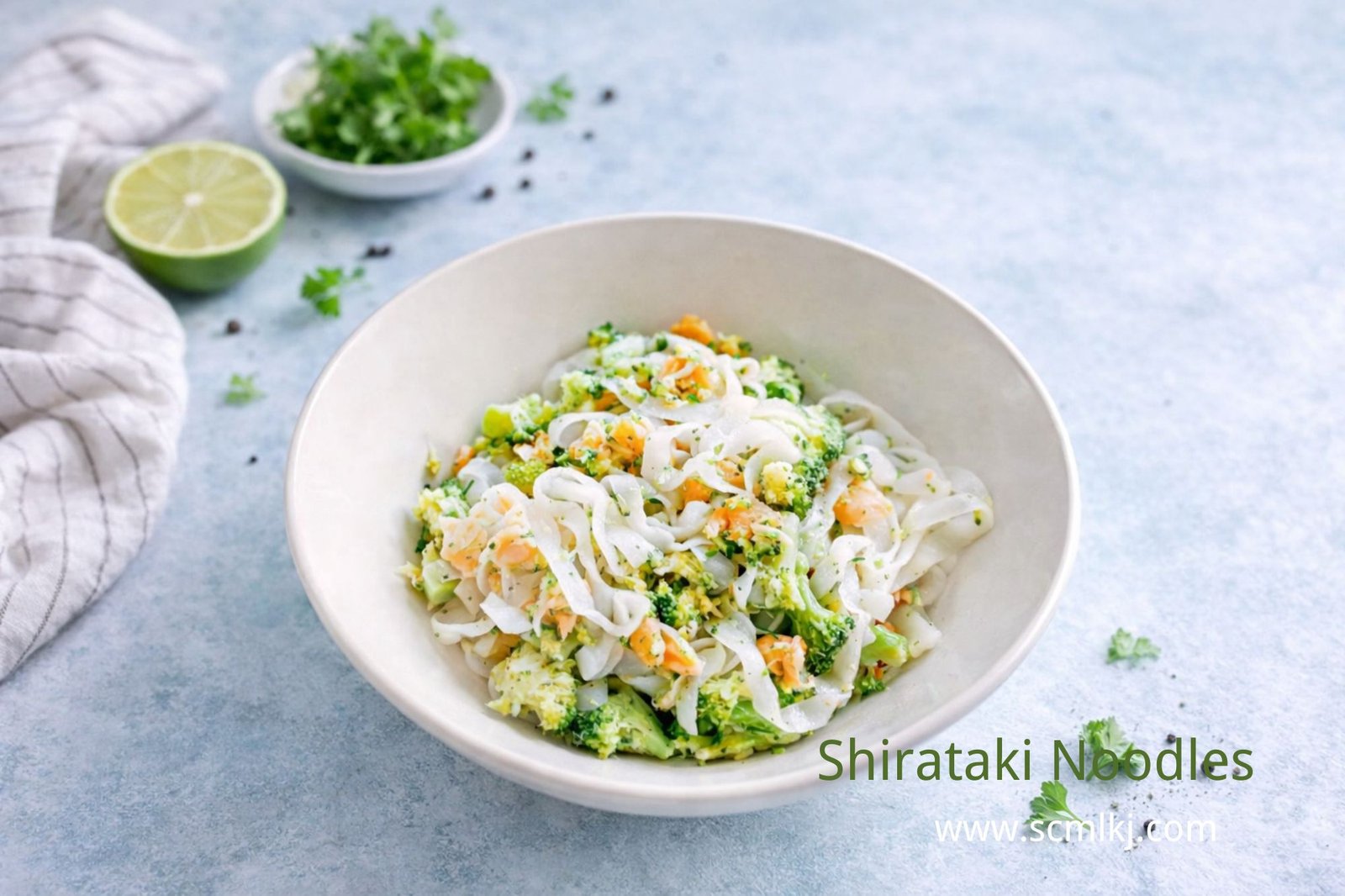
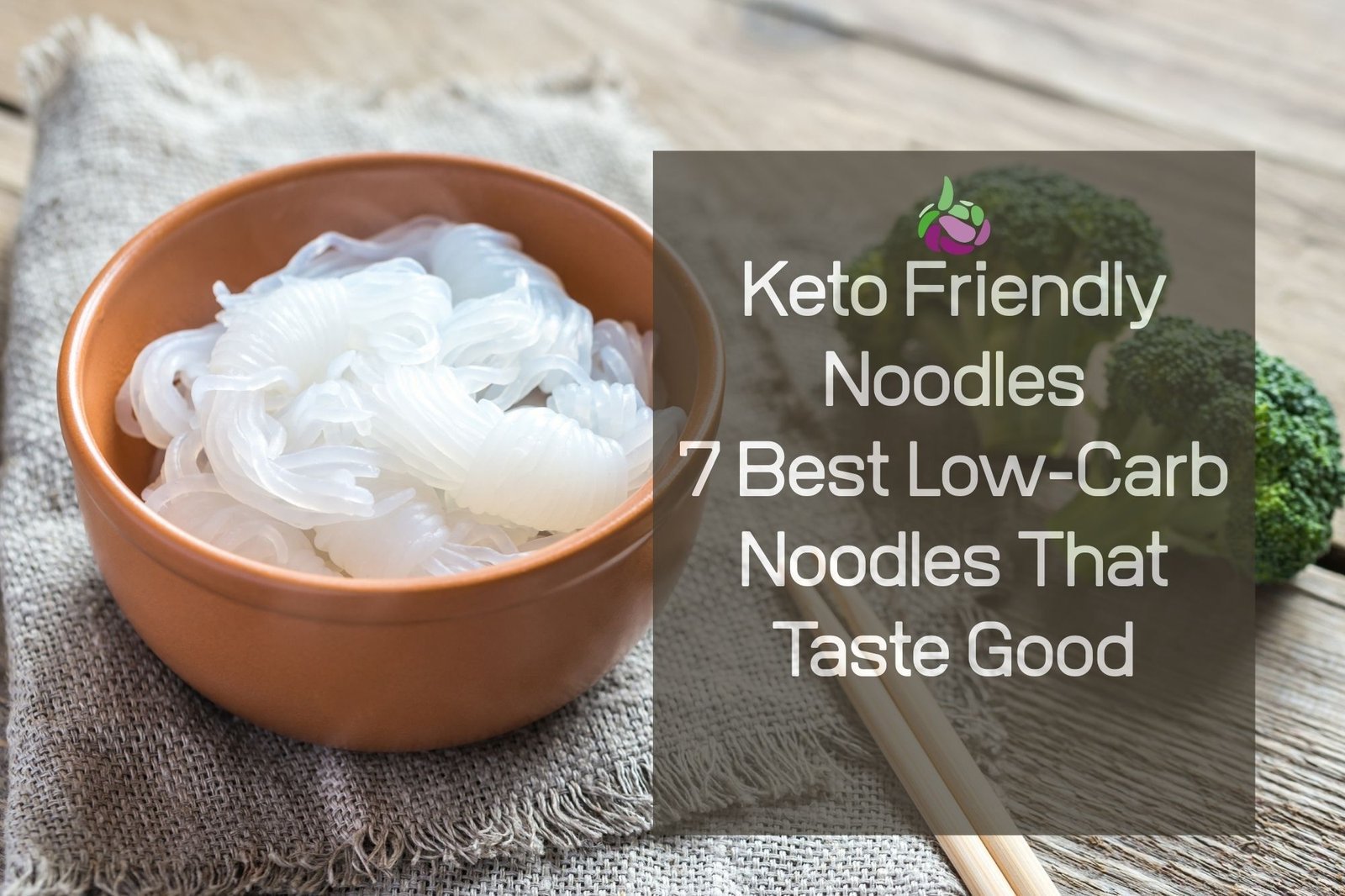
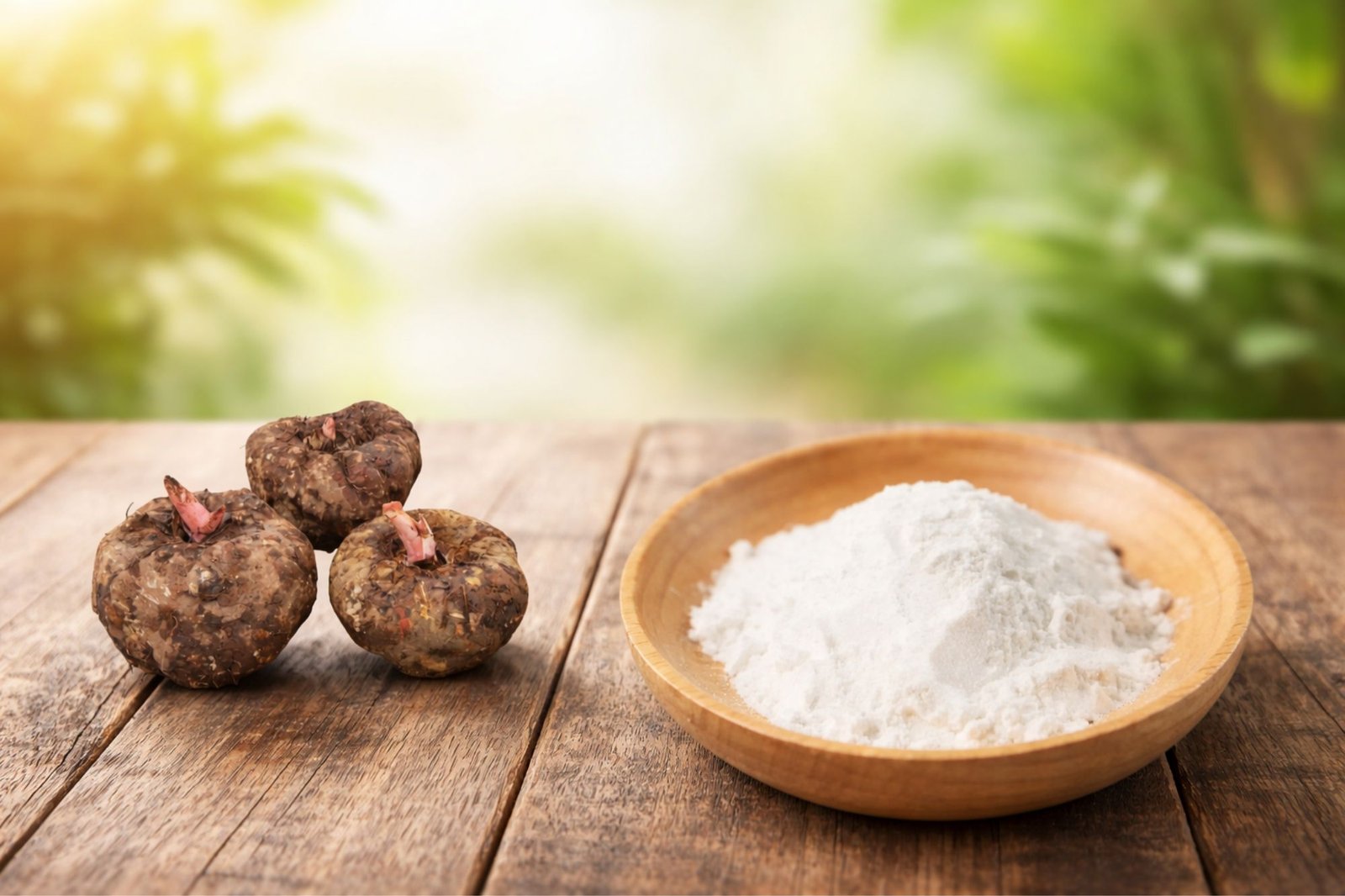
What they are: Shirataki noodles come from a plant called konjac. They are almost all water and fiber. Your body can’t digest most of it, so it doesn’t turn into sugar.
Why they’re great:
- Almost zero calories (only 5-10 per serving)
- Zero carbs
- Fills you up without raising blood sugar
- Helps your stomach stay healthy
How to cook them:
- Rinse them well (about 90 seconds)
- Boil for 2-3 minutes
- Dry them in a hot pan for 5-7 minutes (this step is very important!)
Important: If you don’t dry them in a pan, they taste rubbery and smell funny. When cooked right, they taste good with any sauce!
Am besten geeignet für: People who want to keep blood sugar super low, or anyone trying to lose weight.
2. Black Bean Pasta (GI: 29-38)
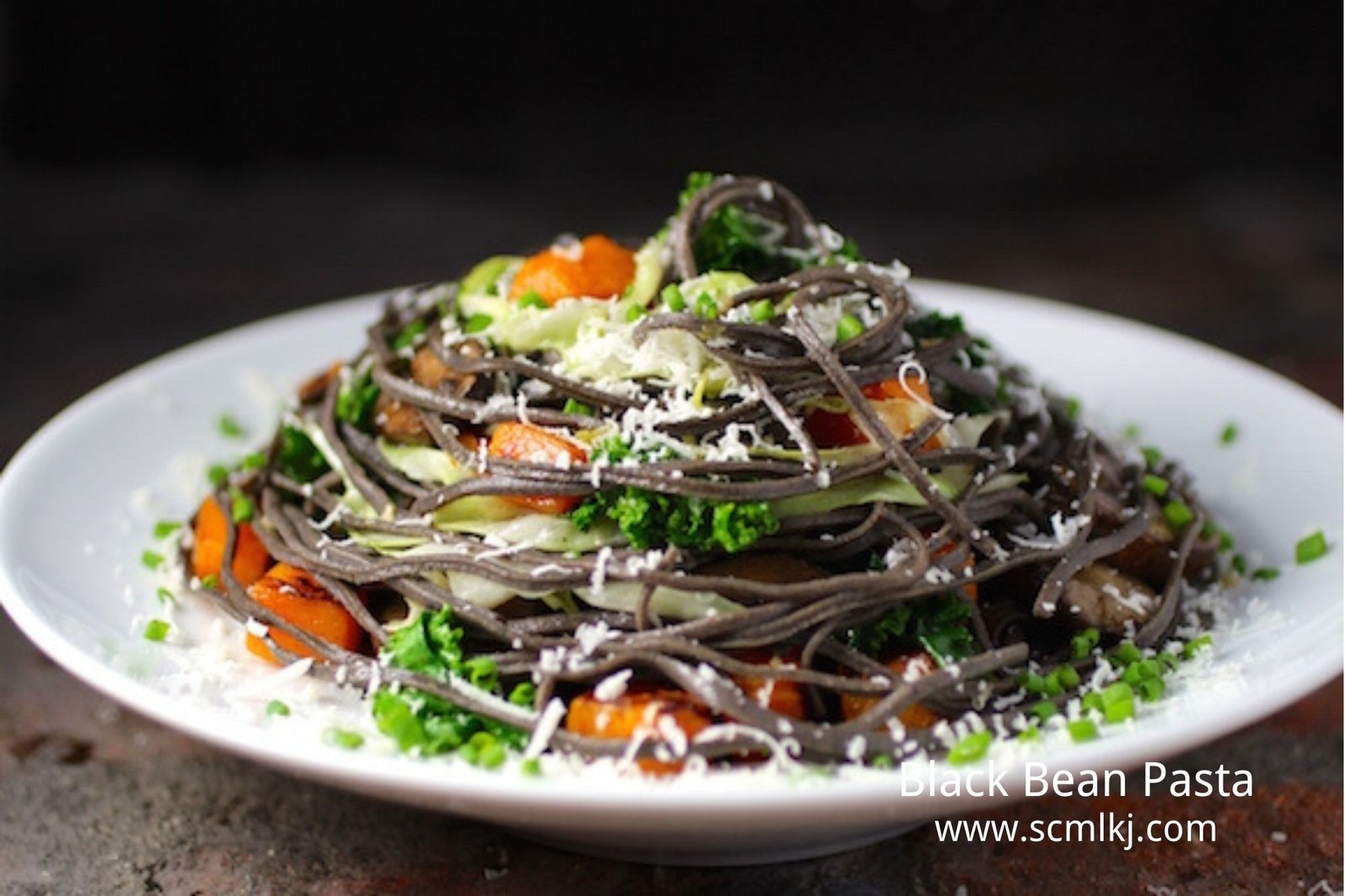
What it is: This pasta is made from black beans instead of wheat. It looks like dark purple spaghetti.
Why it’s great:
- Has 25 grams of protein per serving (that’s a lot!)
- Has 12 grams of fiber pro Portion
- Tastes like beans (in a good way)
- Full of healthy plant chemicals that fight inflammation
How protein helps: When pasta has lots of protein, your blood sugar doesn’t go up as fast. Your body digests it more slowly.
Am besten geeignet für: People who need more protein, vegetarians, or anyone who likes a hearty, filling pasta.
3. Chickpea Pasta (GI: ~33)
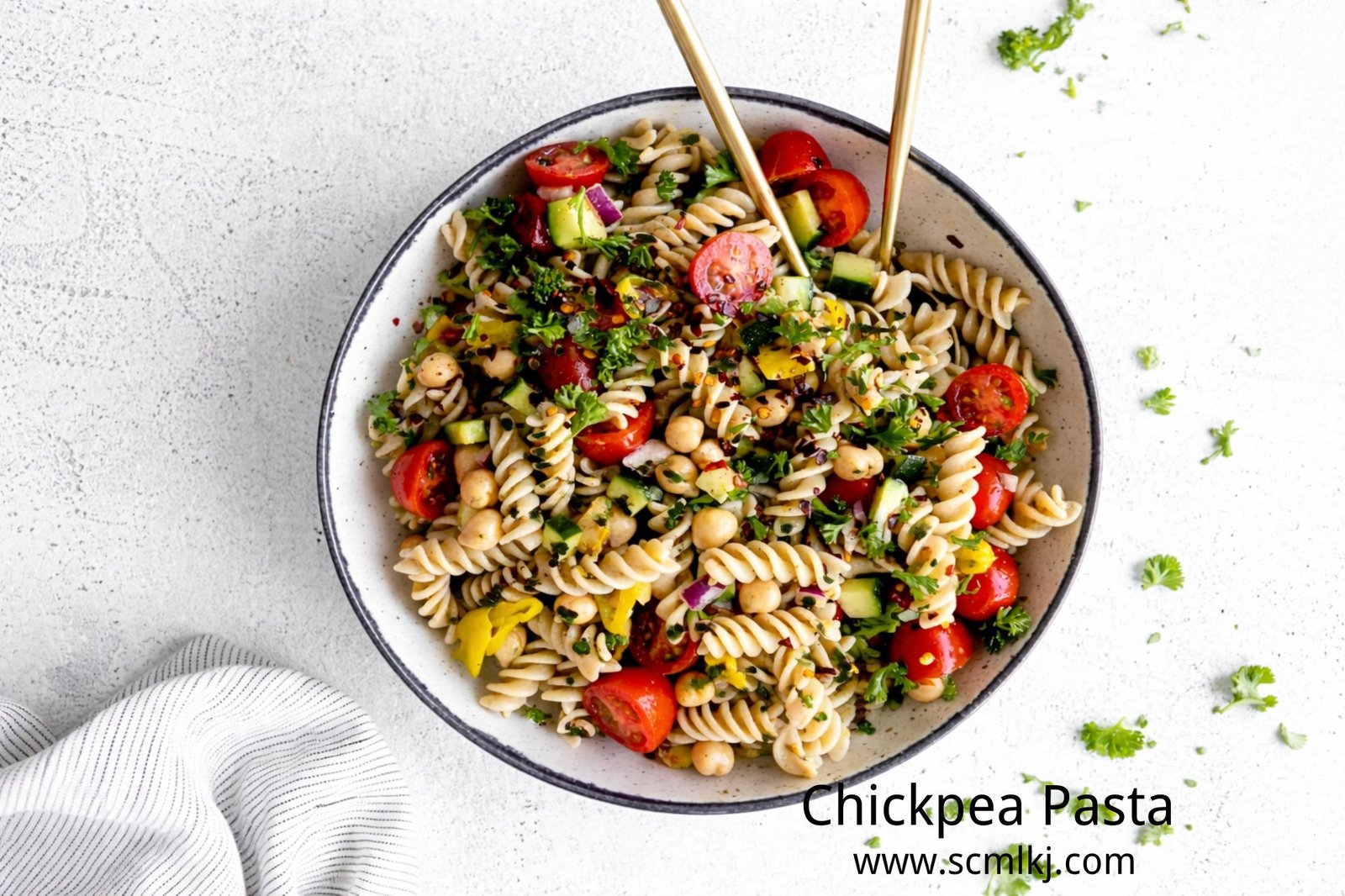
What it is: This pasta is made from chickpeas (also called garbanzo beans). You can find it at most grocery stores.
Cool science trick: Scientists found something interesting in 2024. If you cook chickpea pasta, then put it in the fridge overnight, and reheat it the next day, it becomes even better for diabetics! This is because it creates something called “resistant starch” that your body can’t digest. Readmore from here : MDPI Metabolites Journal (2024)
Why it’s great:
- Tastes almost like regular pasta
- Easy to find in stores
- Gets better for you when you cool and reheat it
- Has good protein
Best cooking tip: Cook it, cool it in the fridge for 12-24 hours, then warm it up. This can lower the GI by 15-20%!
Am besten geeignet für: People who want pasta that tastes normal, or anyone who likes to meal prep.
4. Quinoa Pasta (GI: 35-45)
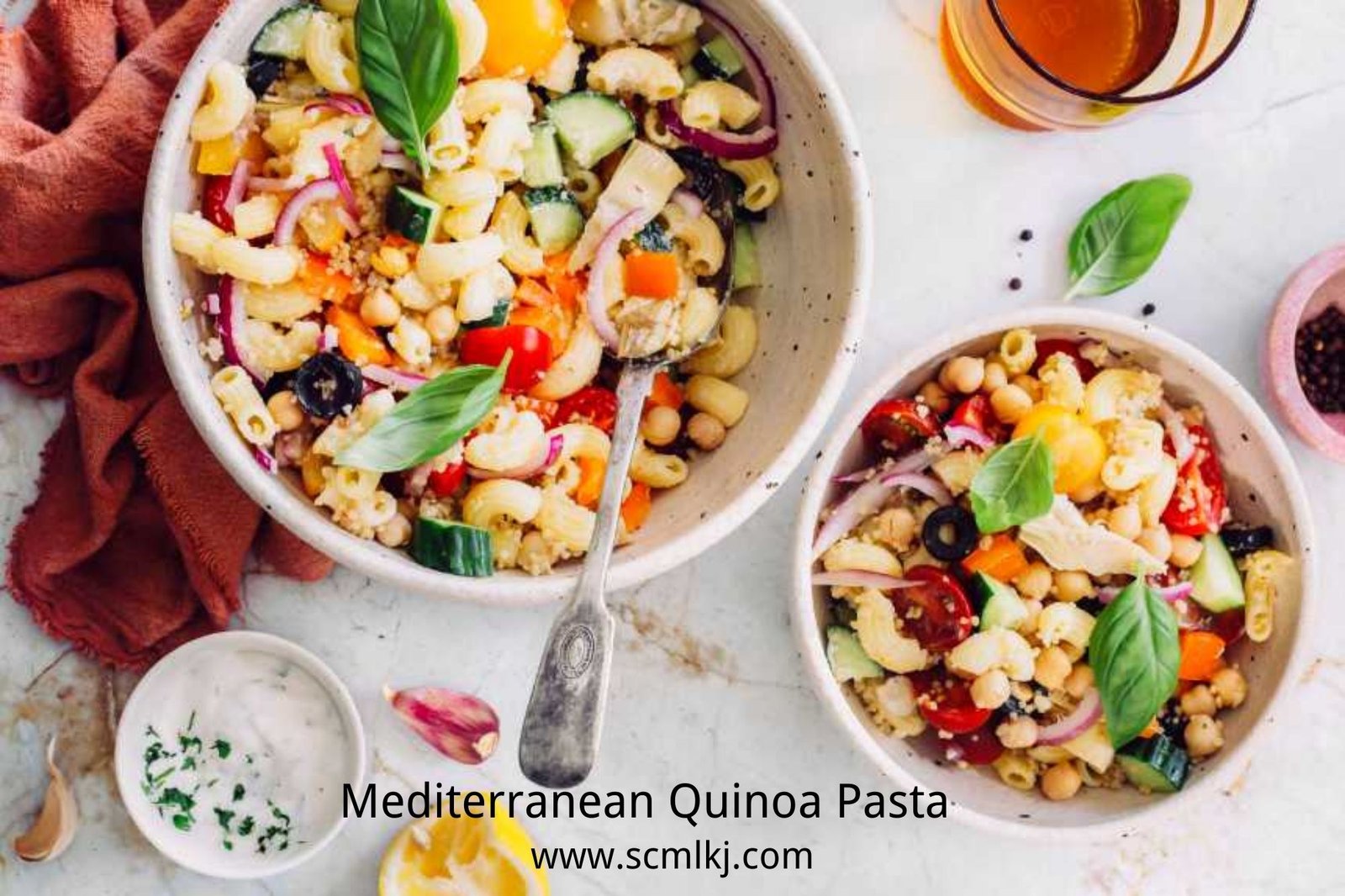
What it is: Quinoa is a seed that people use like a grain. Quinoa pasta is made from this seed.
Why it’s special: Quinoa has something most plant foods don’t have—all 9 building blocks of protein (called amino acids). This makes it a “complete protein,” which is rare for plants.
Why it’s great:
- Complete protein source
- Has a mild, nutty taste
- Works well in cold pasta salads
- Good for vegetarians
Am besten geeignet für: People who want complete protein, or anyone who likes Mediterranean-style food.
5. Whole Wheat Pasta (GI: 40-50)
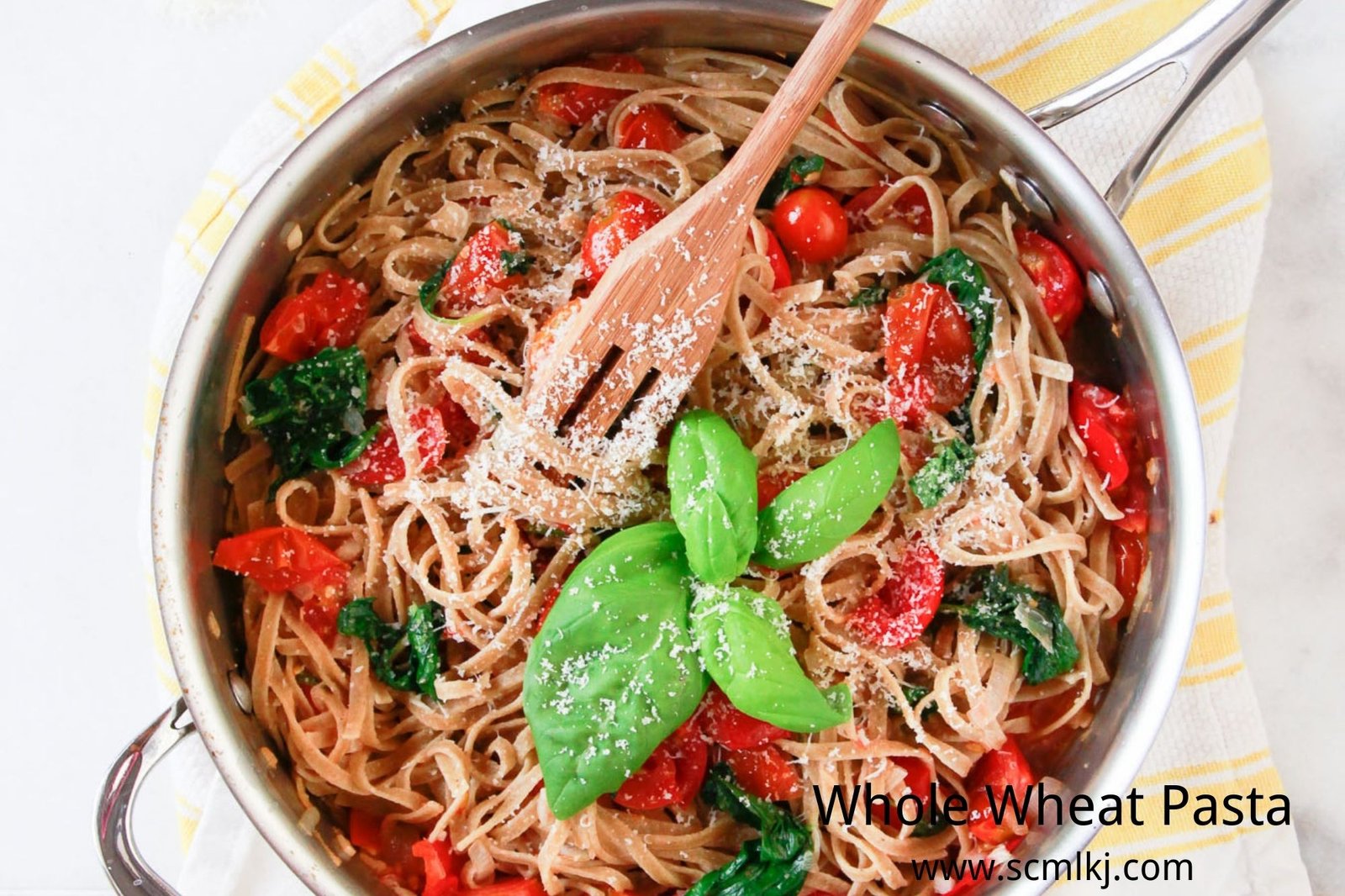
What it is: This pasta is made from whole wheat instead of white flour. It keeps the good parts of the wheat grain.
Why it’s good:
- You can find it everywhere
- Usually the cheapest option
- Has more fiber than white pasta (6g vs 2.5g)
- Tastes similar to regular pasta
Was Sie beachten sollten: Make sure the package says “100% Whole Wheat.” If it just says “wheat flour,” that’s the same as white pasta!
Important: Even though it’s better than white pasta, you still need to watch how much you eat. The GI of 40-50 is still higher than the other options on this list.
Am besten geeignet für: People new to diabetes-friendly eating, anyone on a budget, or families who want an easy swap.
Easy Comparison Chart
| Pasta Type | GI | Kohlenhydrate | Eiweiß | Best Feature |
|---|---|---|---|---|
| Shirataki | ~0 | 0 g | 0 g | Zero effect on blood sugar |
| Black Bean | 29-38 | 17 g | 25g | Highest protein |
| Chickpea | ~33 | 30g | 14g | Tastes like real pasta |
| Quinoa | 35-45 | 35g | 8 g | Complete protein |
| Vollkornweizen | 40-50 | 37g | 7 g | Easy to find |
How Much Pasta Should You Eat?
Even with healthy pasta, you shouldn’t eat too much. Here’s a simple guide called the “Plate Method”:
Your plate should have:
- ½ vegetables (like broccoli, salad, peppers)
- ¼ protein (like chicken, fish, or tofu)
- ¼ pasta (about 1 cup cooked)
This helps keep your blood sugar stable.
Carbs Per Meal
Most people with diabetes should eat about 45-60 grams of carbs per meal.
Here’s how much carbs are in 1 cup of each pasta:
- Shirataki noodles: 0 g
- Black bean pasta: ~17g
- Chickpea pasta: ~30g
- Quinoa pasta: ~35g
- Whole wheat pasta: ~37g
3 Easy Recipes
Recipe 1: Quick Shirataki Stir-Fry
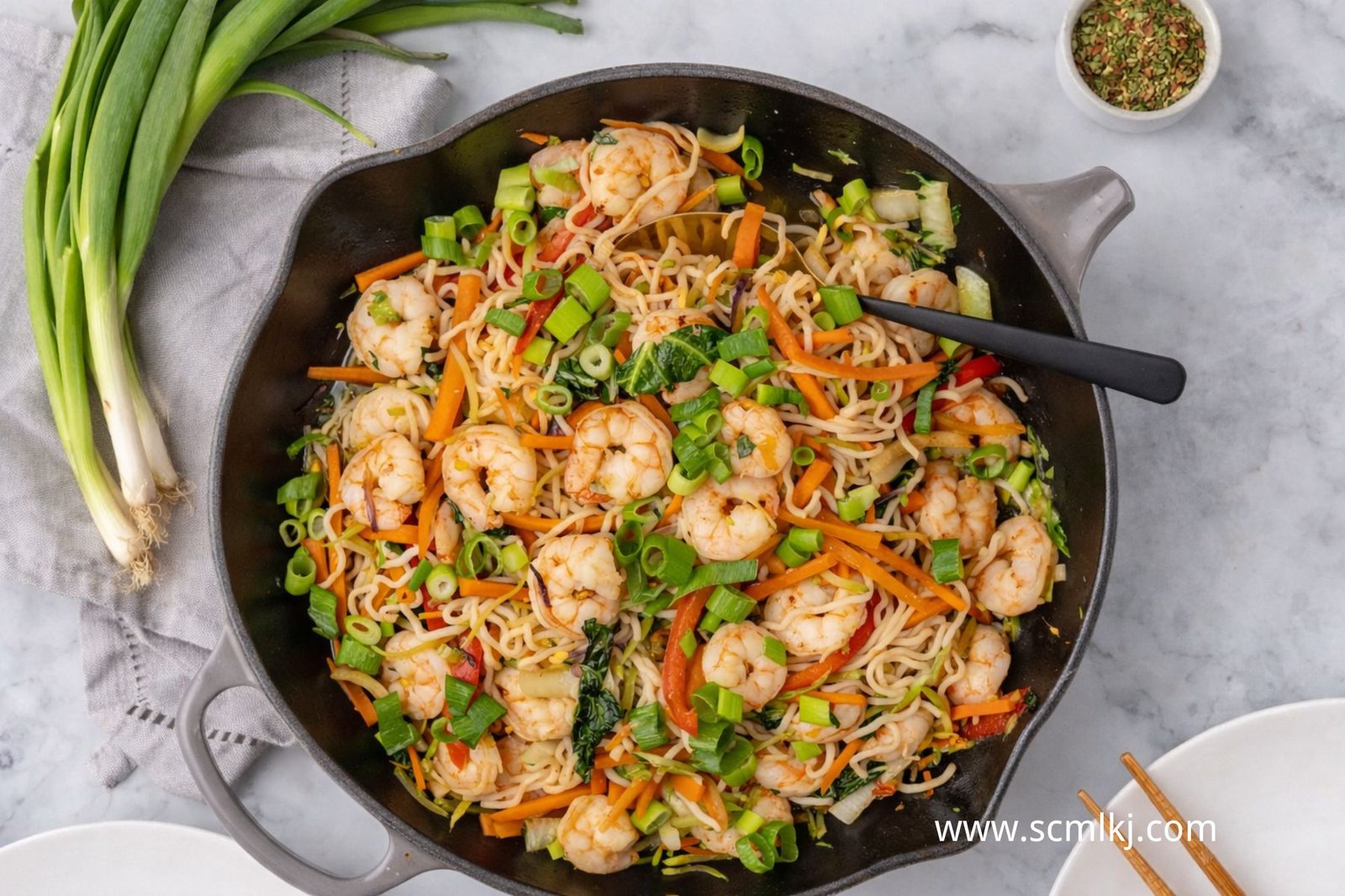
Zutaten:
- Shirataki noodles (prepared properly)
- Shrimp or chicken
- Vegetables (broccoli, peppers, carrots)
- Sojasauce
Nutrition: 200 calories, 18g protein, 8g carbs
Recipe 2: Black Bean Pasta with Vegetables
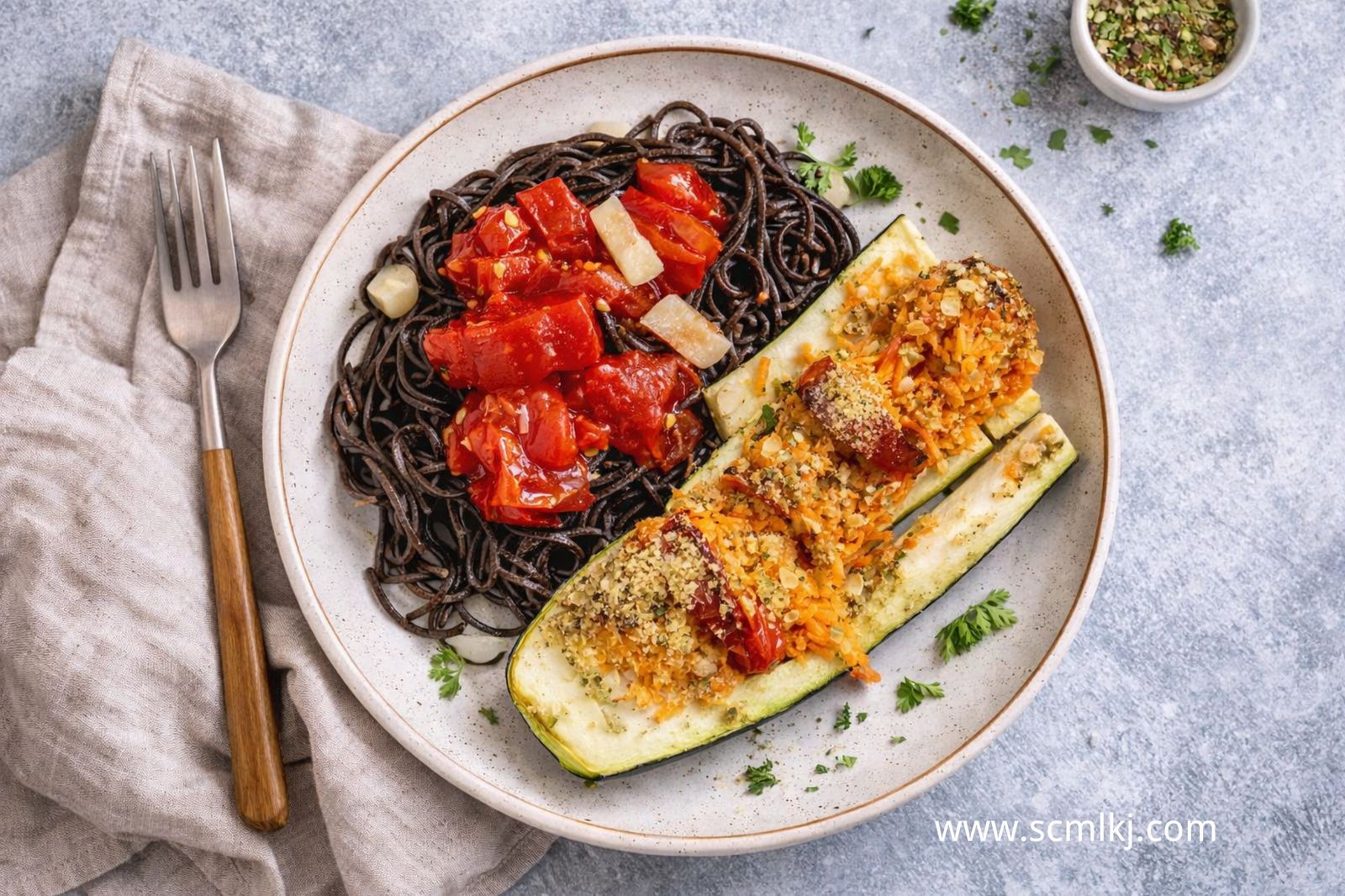
Zutaten:
- Black bean pasta
- Roasted zucchini and tomatoes
- Olive oil
- Knoblauch
Nutrition: 300 calories, 25g protein, 17g carbs
Recipe 3: Chickpea Pasta Salad
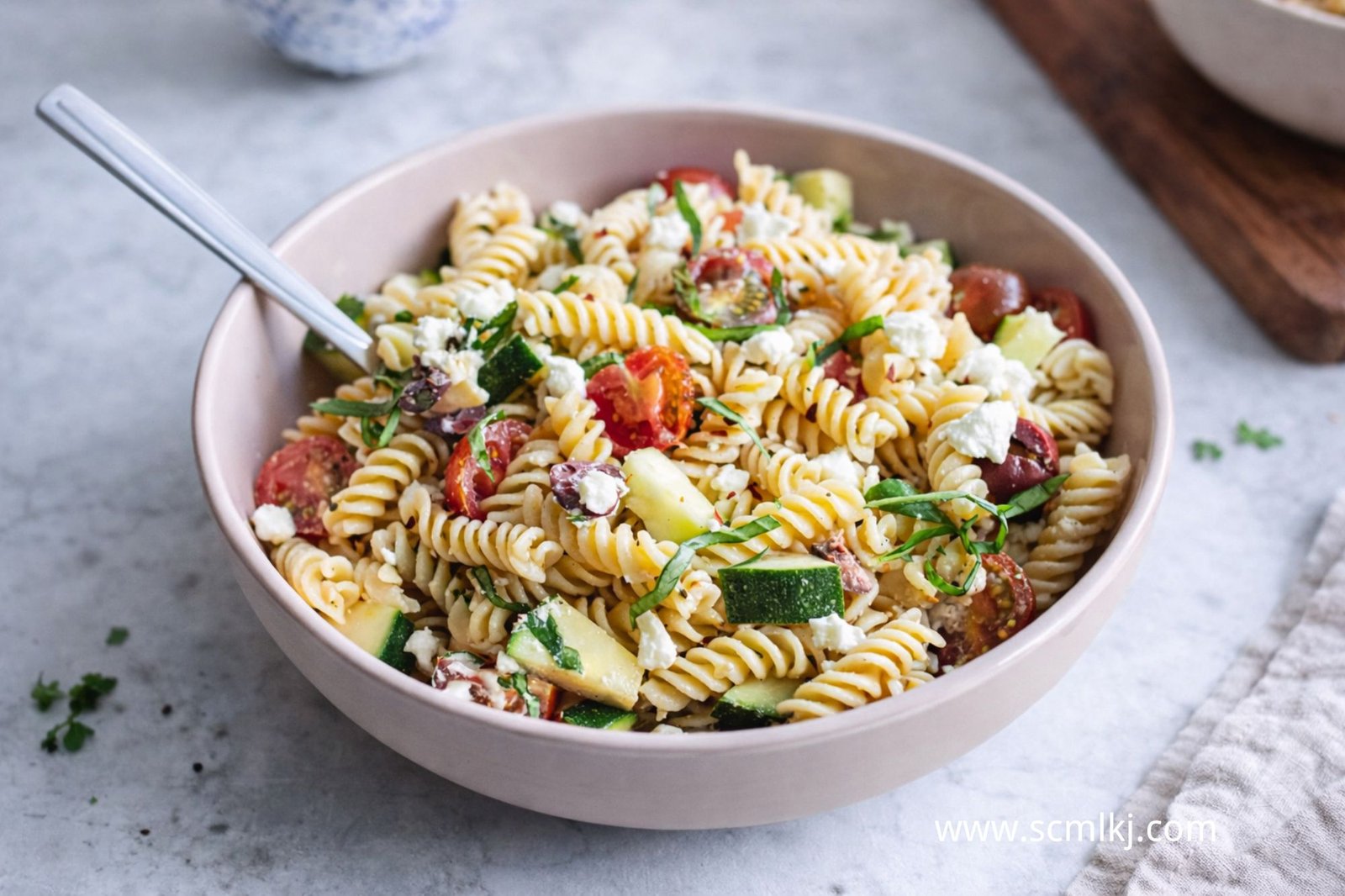
Zutaten:
- Chickpea pasta (cooked, cooled overnight, then reheated)
- Cucumber and cherry tomatoes
- Feta cheese
- Olive oil and lemon
Nutrition: 380 calories, 21g protein, 11g fiber
Talk to Your Doctor
Important Things to Remember
- Everyone’s body is different. Your blood sugar might go up more or less than the average person.
- These GI numbers are averages. Your body might react differently.
- This guide is not medical advice. Talk to your doctor before making big changes to your diet.
When to See a Doctor
Talk to your doctor if:
- You just found out you have diabetes
- Your blood sugar is going up and down for no reason
- You want to eat way fewer carbs
- You have new health problems
Who Can Help
- Dietitian: Helps plan meals that are right for you
- Diabetes educator: Teaches you how to manage diabetes
- Doctor: Helps with medicine and overall health
Questions People Ask
Q: Can Type 1 and Type 2 diabetics both eat these pastas?
A: Yes! Both Type 1 and Type 2 diabetics can enjoy these low-GI pastas. However, Type 1 diabetics should still monitor their blood sugar and adjust insulin as needed. Type 2 diabetics may find these pastas help with weight management and blood sugar control.
Q: Do I need to check my blood sugar after eating these pastas?
A: It’s a good idea to check your blood sugar 1-2 hours after eating a new food. This helps you understand how your body reacts. Keep a food diary to track what works best for you! Everyone’s body is different.
Q: Will black bean pasta spike my blood sugar?
A: Black bean pasta has a low GI of 29-38 and contains 25g of protein and 12g of fiber. The high protein and fiber content slows digestion, so it shouldn’t cause a big spike. But always check your own response to be sure!
Q: Is gluten-free pasta good for diabetics?
A: Not always! Gluten-free doesn’t mean low-carb. Some gluten-free pastas are made from rice or corn starch, which can spike blood sugar just like regular pasta. However, gluten-free options made from chickpeas, lentils, or black beans are excellent choices for diabetics. Always check the nutrition label!
Q: Is egg noodles better than pasta for diabetics?
A: Actually, egg noodles are usually worse for diabetics than regular pasta. They have more carbs (40g per cup vs 30g for pasta) and a higher glycemic index. This means egg noodles are more likely to spike your blood sugar. Stick to the low-GI options in this guide instead!
Q: What kind of pasta sauce is best for diabetics?
A: Choose oil-based or tomato-based sauces instead of cream-based sauces. Cream sauces are high in fat and calories. Look for sauces with no added sugar. Marinara, pesto, and olive oil with garlic are all good choices. You can also make your own simple sauce at home!
Q: Can diabetics eat pasta every day?
A: Yes, if you choose the right kinds! Shirataki noodles (0 carbs) and black bean pasta (low GI) can be eaten daily. Just watch your portion sizes and balance with plenty of vegetables and protein. Variety is still important for getting all your nutrients.
Q: Why does pasta affect my blood sugar hours later?
A: This is called the “second meal effect.” Pasta can cause blood sugar to rise 2-3 hours after eating, especially if you eat a large portion. This is why portion control is so important. Eating pasta with protein, healthy fats, and vegetables can help slow this delayed spike.
Summary: Quick Tips
Best pasta for diabetics (from best to good):
- Shirataki noodles (GI ~0) – Zero carbs, best blood sugar control
- Black bean pasta (GI 29-38) – Highest protein
- Chickpea pasta (GI ~33) – Tastes like regular pasta
- Quinoa pasta (GI 35-45) – Complete protein
- Whole wheat pasta (GI 40-50) – Easy to find
Remember:
- Fill half your plate with vegetables
- Eat about 1 cup of pasta
- Add protein (chicken, fish, beans)
- Cool and reheat chickpea pasta for extra benefits
- Always check with your doctor
Ready to try these healthy pastas?
Start with shirataki noodles for the best blood sugar control, or try chickpea pasta if you want something that tastes like regular pasta!