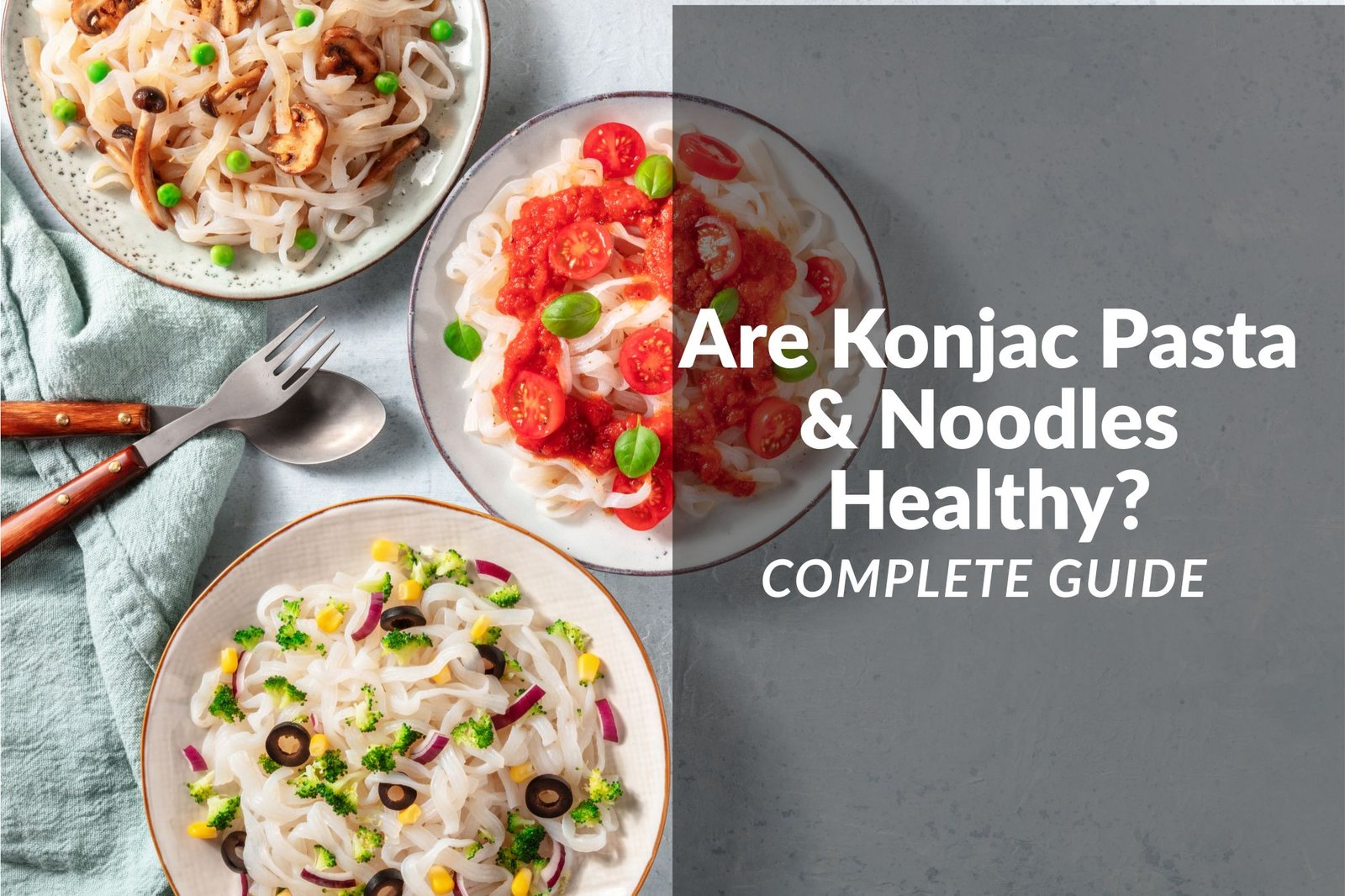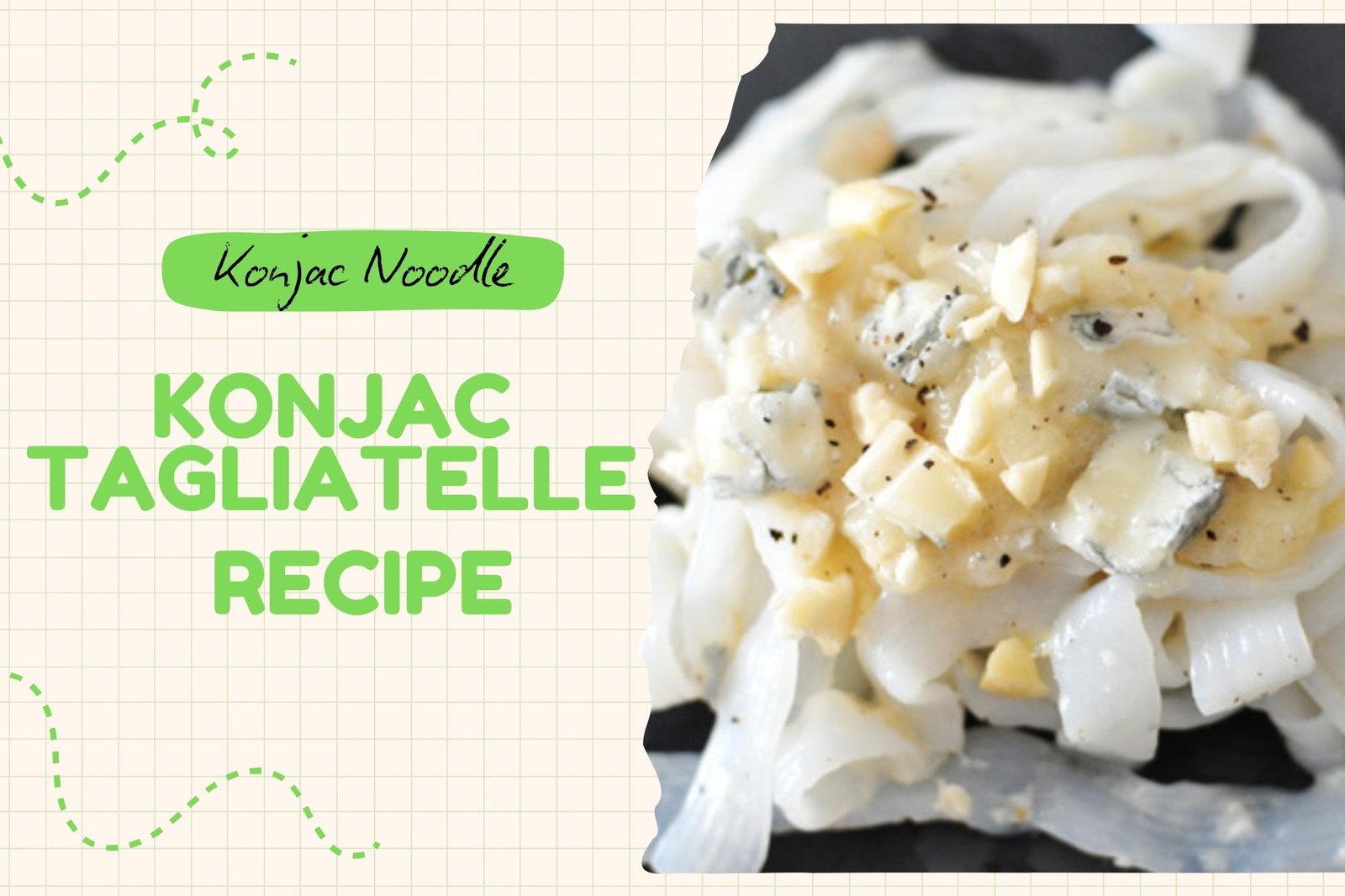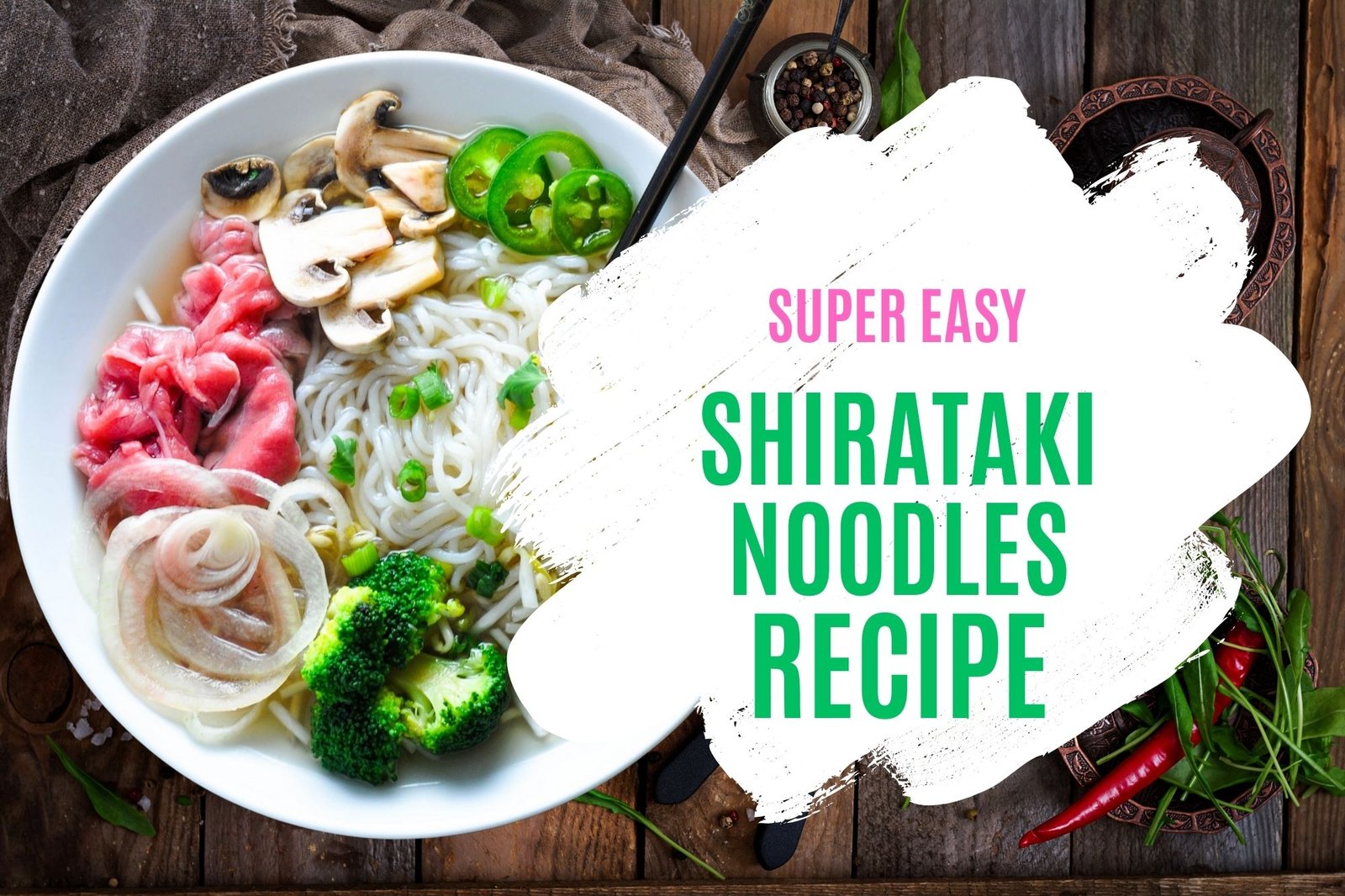
Si vous explorez le monde de l'alimentation saine, des régimes à faible teneur en glucides ou de la cuisine asiatique, vous avez probablement rencontré des termes tels que soie de konjac, nœuds de konjac ou nouilles de konjac. Bien que les noms varient, ils désignent tous un ingrédient végétal extraordinaire qui est en train de remodeler le paysage de l'alimentation saine.
À Eastern MorningNous nous engageons à vous fournir des produits de konjac de haute qualité, fabriqués avec soin et à dessein. Mais qu'est-ce que la soie de konjac et pourquoi devrait-elle faire partie de votre garde-manger ou de votre gamme de produits ? Voyons cela de plus près.
Qu'est-ce que la soie de konjac (nœuds de soie de konjac) ?
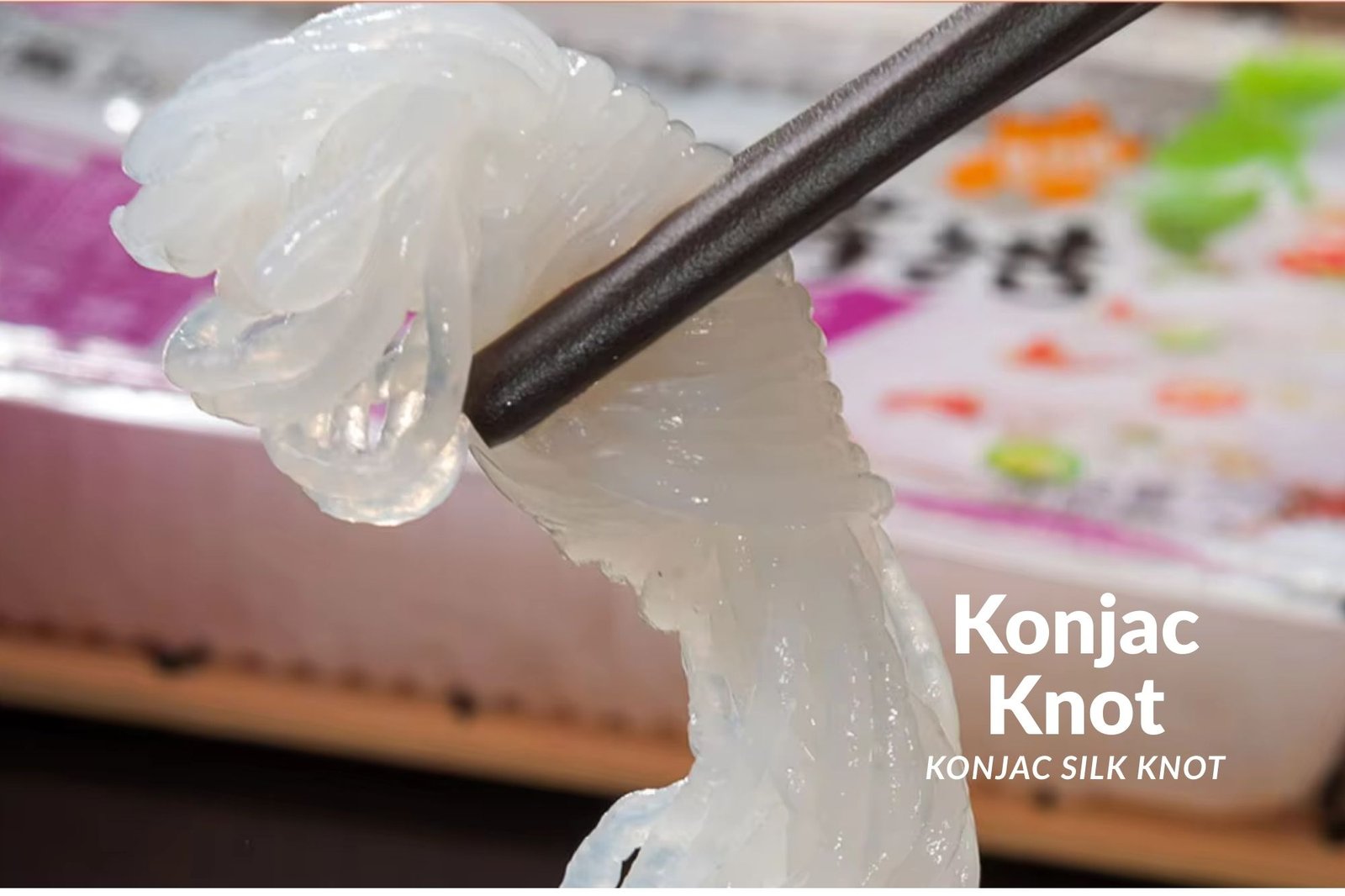
La soie de konjac est l'interprétation anglaise du terme chinois Mo Yu Si . Sur les marchés occidentaux, vous pouvez également l'appeler Soie de konjac - une forme unique dans la catégorie plus large des nouilles de konjac (souvent désignées sous le nom générique de Shirataki).
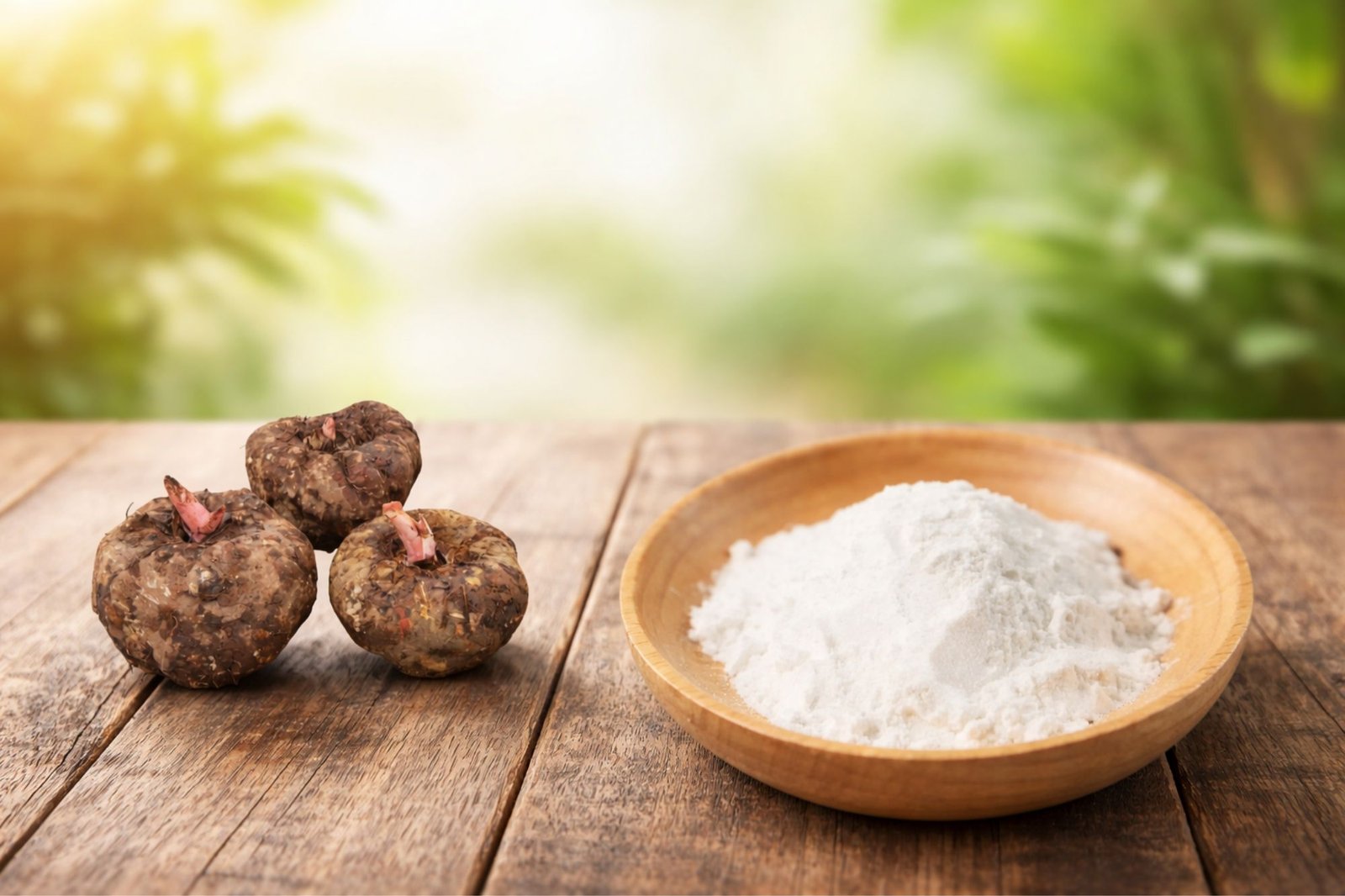
La soie de konjac est obtenue à partir du corme (bulbe) de la plante de konjac, originaire d'Asie et utilisée dans la cuisine japonaise et chinoise depuis des siècles. Le corme de konjac est transformé en farine, puis réhydraté et transformé en nouilles translucides et gélatineuses.
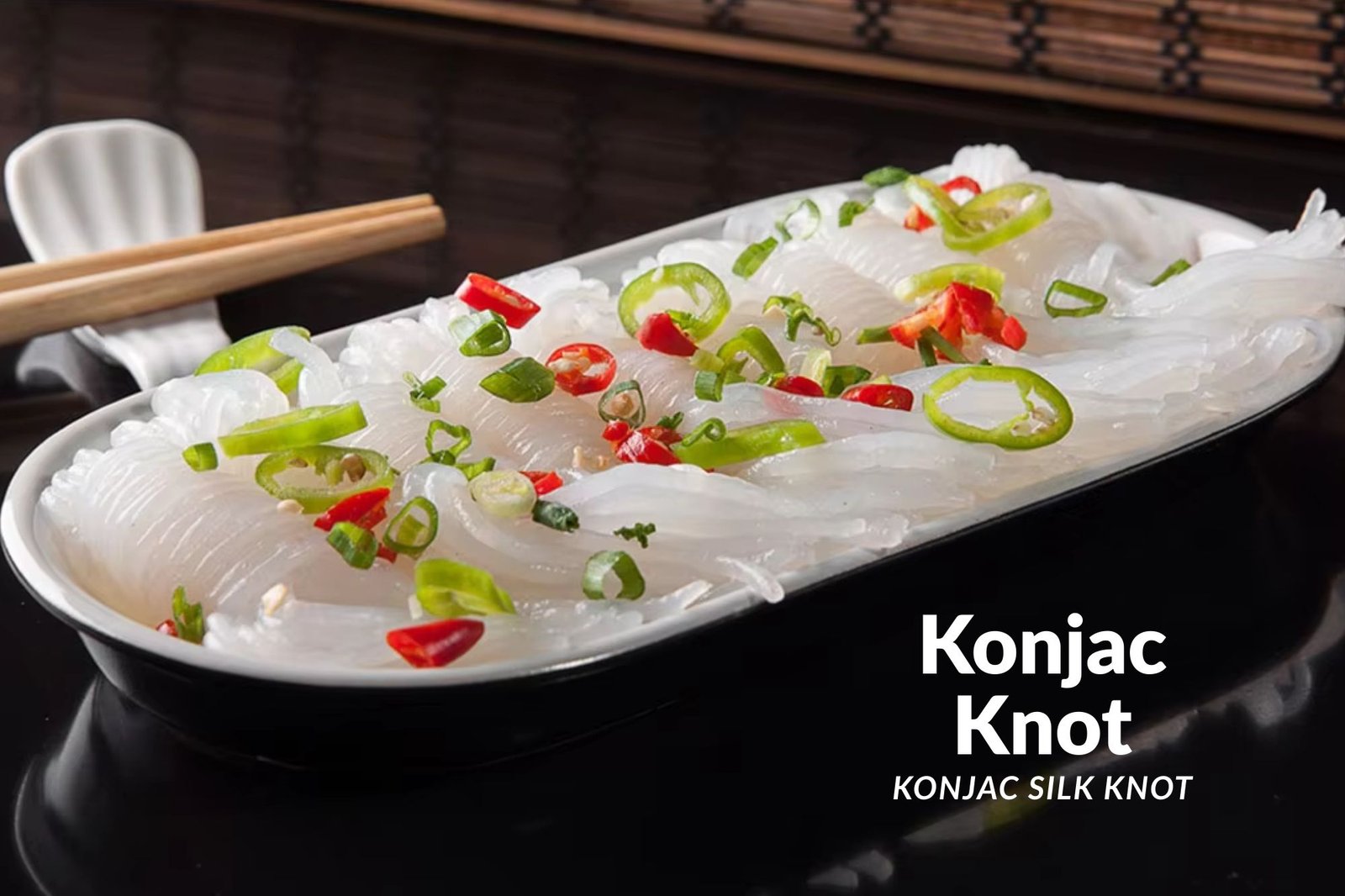
Lorsque ces nouilles sont ficelées en petits paquets de la taille d'une bouchée, elles deviennent Nœuds de Konjac - Ils sont non seulement attrayants sur le plan visuel, mais aussi supérieurs sur le plan fonctionnel. Leur forme noueuse retient magnifiquement les sauces et donne une texture moelleuse et satisfaisante, souvent comparée à des pâtes al dente.
De quoi est fait le konjac ?
Le cœur de chaque produit à base de konjac est très simple :
Farine de konjac + eau
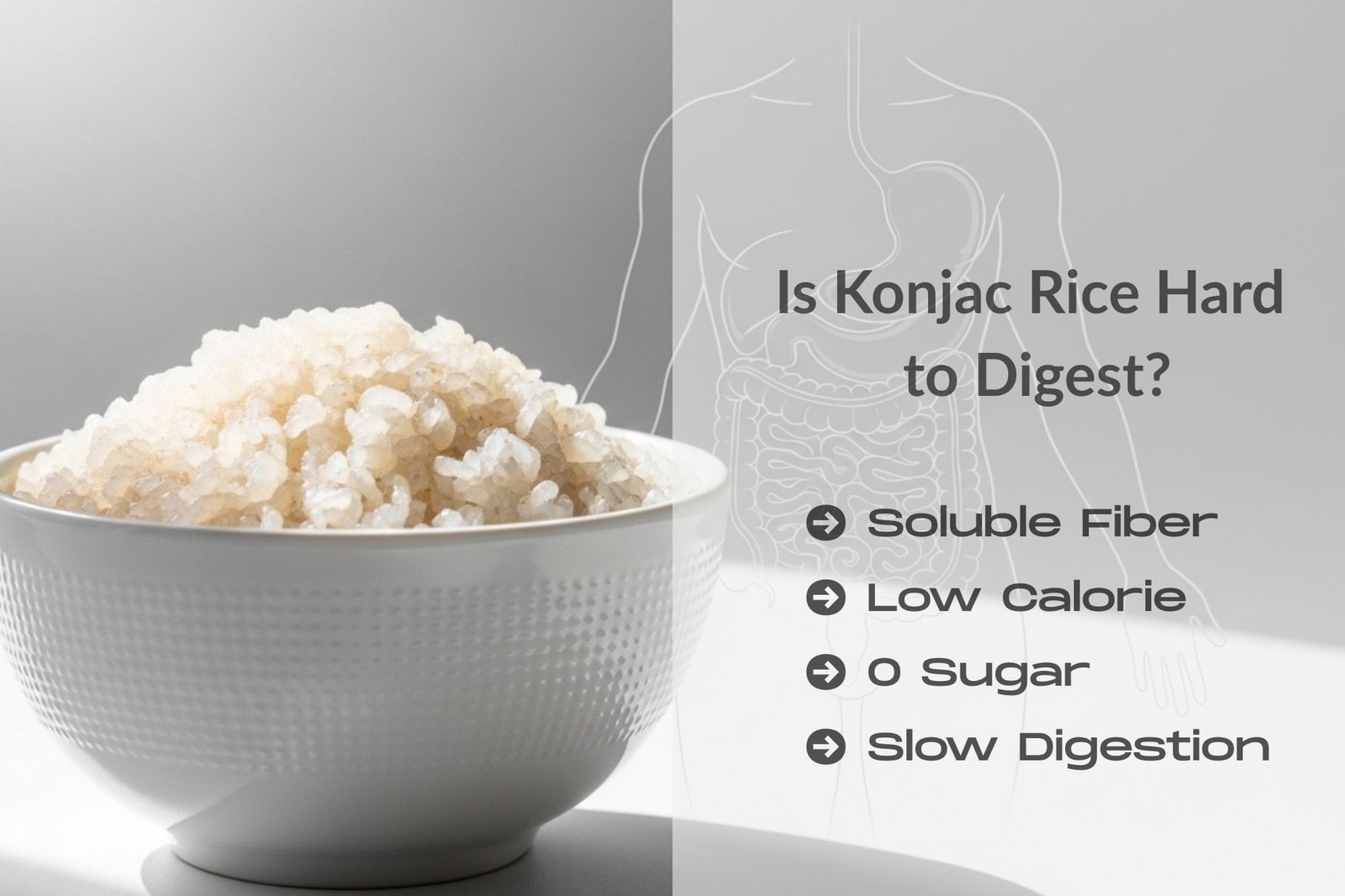
La farine de konjac est moulue à partir de cormes de konjac séchés. Ses propriétés extraordinaires proviennent glucomannaneune fibre alimentaire hydrosoluble qui confère au konjac ses caractéristiques gélatineuses et fonctionnelles.
Cette combinaison permet d'obtenir un produit qui est :
- Sans gluten
- Végétalien et végétalien
- Zéro graisse
- Presque Zéro Calorie
Au-delà des nouilles, le konjac est largement utilisé pour produire des gelées, des épaississants et des compléments alimentaires. Cependant, sa forme la plus populaire - et celle que les consommateurs adoptent le plus rapidement - reste les nouilles et les nœuds.
Pourquoi nous aimons les nœuds de konjac : Principaux avantages pour la santé
La recherche montre que le konjac et son composant clé, le glucomannane, offrent des avantages significatifs pour la santé. Voici pourquoi les nœuds de konjac peuvent être ajoutés sans culpabilité au régime alimentaire de tout un chacun :
Favorise la gestion du poids
Le konjac est une arme secrète pour le contrôle du poids. Nos nœuds de konjac ne contiennent que ~5 kcal par portion! Grâce à leur teneur élevée en fibres et à leur faible densité énergétique, ils aident les consommateurs à se sentir rassasiés plus rapidement et à rester satisfaits plus longtemps, réduisant ainsi l'envie de trop manger.
Adapté au régime cétogène et faible en glucides
Grâce à leur teneur élevée en fibres solubles et à l'absence quasi-totale de glucides digestibles, les nœuds de konjac sont idéaux pour.. :
- Régimes céto
- Plans paléo
- Modes de vie à faible teneur en glucides
Cela en fait un excellent choix d'ingrédient pour les marques d'aliments fonctionnels qui se concentrent sur les produits à faible teneur en glucides.
Améliore la santé intestinale
Le glucomannane agit comme un prébiotiques - ne sont pas digérés dans l'estomac, mais servent de carburant aux bactéries bénéfiques de l'intestin. Cela contribue à l'équilibre du microbiome et au bien-être digestif.
Favorise la gestion de la glycémie
Comme le konjac est riche en fibres et pauvre en glucides absorbables, il n'a qu'un impact minime sur la glycémie. Cette absorption lente fait du konjac un aliment idéal pour les régimes adaptés aux diabétiques.
Favorise la santé cardiaque
Le glucomannane forme un gel dans le tube digestif qui aide à piéger les acides biliaires, facilitant ainsi leur excrétion. L'organisme utilise alors le cholestérol pour produire davantage de bile, ce qui permet de réduire le taux de cholestérol LDL ("mauvais" cholestérol) et de triglycérides - un gain pour la santé cardiaque.
Pleins feux sur les produits : Les nœuds de konjac d'Eastern Moning
Nos nœuds de konjac sont conçus pour favoriser un mode de vie sain :
- Ingrédients : Poudre de konjac naturelle de haute qualité + eau
- Étiquette propre : Sans graisse, sans sucre, sans OGM
- Riche en fibres : Favorise la digestion et la santé intestinale
- Emballage pratique : Disponible en sachets debout ou en boîtes en papier
- Cuisine rapide : Prêt en seulement 2 minutes
Qu'il s'agisse de gestion du poids, d'alimentation adaptée aux diabétiques ou de régimes de bien-être général, les nœuds de konjac sont à la fois fonctionnels et pratiques.
Comment cuisiner les nœuds de konjac
L'un des avantages de la soie de konjac est sa polyvalence. La préparation des nœuds de konjac est aussi simple que celle de n'importe quelle nouille de konjac.
Idées de préparation rapide :
- Faire bouillir et saucer : Faire bouillir dans l'eau pendant 2 minutes, égoutter et mélanger avec votre sauce préférée à faible teneur en glucides.
- Hot Pot Classic : Ajoutez-les aux plats chauds ou aux bouillons - ils absorbent parfaitement les saveurs.
- Salades rafraîchissantes : Rincer à froid et mélanger avec du concombre, de la tomate et de la vinaigrette pour un plat d'accompagnement léger.
- Wraps de laitue : Utilisez les nœuds de konjac comme substitut aux nouilles dans les wraps de laitue - trempez-les dans de la sauce soja, de la sauce de poisson ou de la sauce arachide pour plus de saveur.
Recette vedette : Knots de konjac avec concombre de la mer rouge dans une soupe aux os de porc
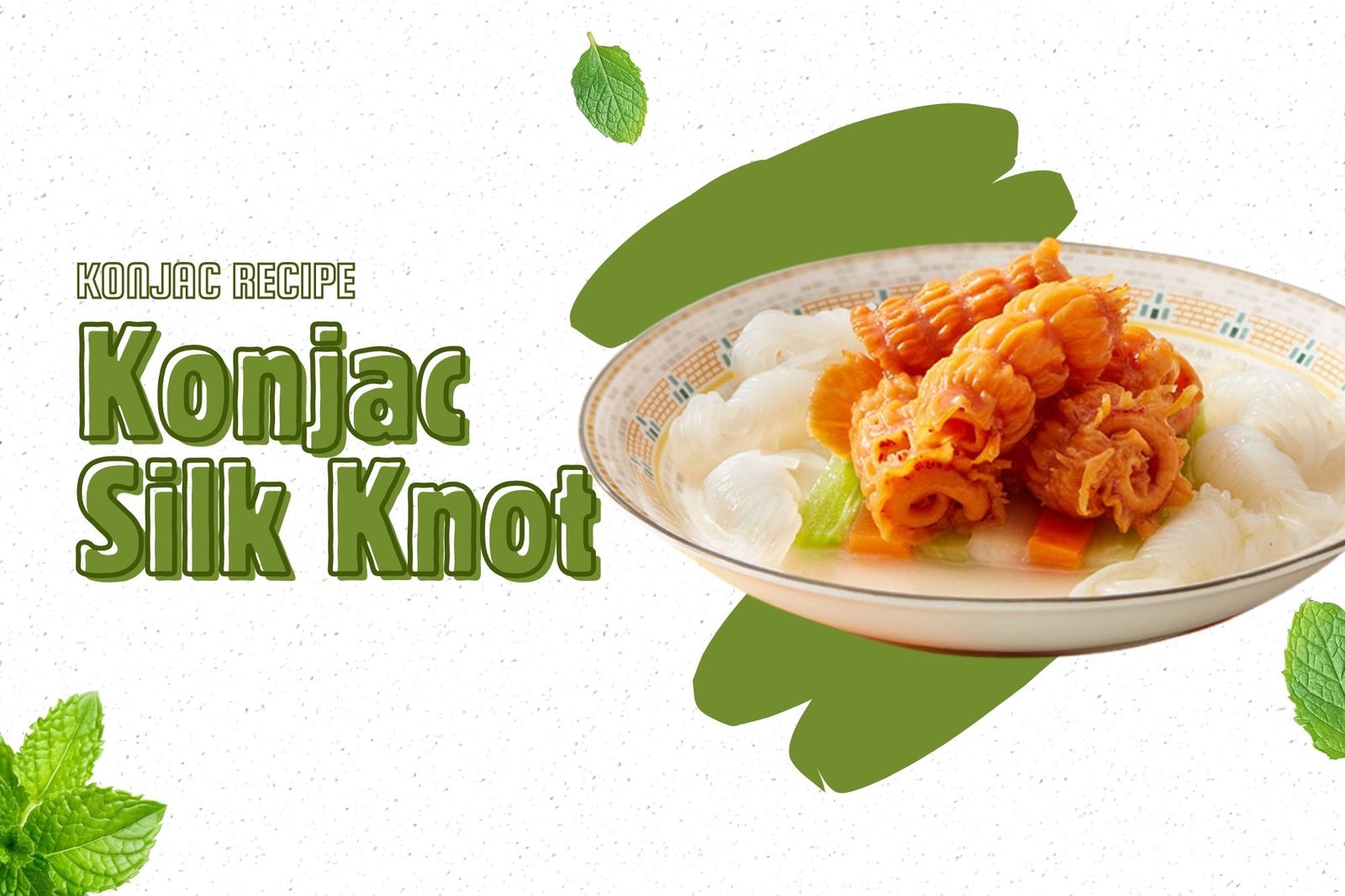
Ingrédients :
- 1 sachet Nœuds de Konjac (de scmlkj.com)
- 115 g de chair de concombre de mer rouge
- 30 g de radis daikon, râpé
- 30 g de carotte, râpée
- 45 g de laitue chinoise (celtuce), râpée
Base de soupe :
- 1 c. à soupe de base de soupe pour fondue à l'os de porc
- 1 tasse d'eau
- Une pincée de poivre blanc en grains
Assaisonnement :
- ½ c. à café de sel
- ½ c. à café d'huile de sésame pure
- Un peu de fécule de maïs délayée
Instructions :
- Préparation des légumes : Cuire le daikon, la carotte et la laitue chinoise dans la base de soupe jusqu'à tendreté. Retirer et placer dans un bol de service.
- Cuisson du concombre de mer : Faire bouillir brièvement la chair de concombre de mer, puis égoutter.
- Sauter : Chauffer l'huile dans un wok, faire sauter le concombre de mer avec le sel, l'huile de sésame et la fécule de maïs délayée. Déposer sur les légumes.
- Finalisation avec le konjac : Porter le reste de la soupe à ébullition. Ajouter les nœuds de konjac et cuire 1 minute.
- Service chaud : Verser la soupe et les nœuds dans le bol et déguster immédiatement !
Découvrez d'autres recettes au konjac : https://scmlkj.com/konjac-recipe/
Prêt à essayer ?
Que vous les appeliez "Konjac Silk", "Konjac Silk Knots" ou simplement l'alternative ultime aux nouilles faible en glucides, une chose est claire : ils offrent une délicieuse satisfaction sans culpabilité.
Visitez Eastern Morning pour découvrir nos produits dès aujourd'hui.