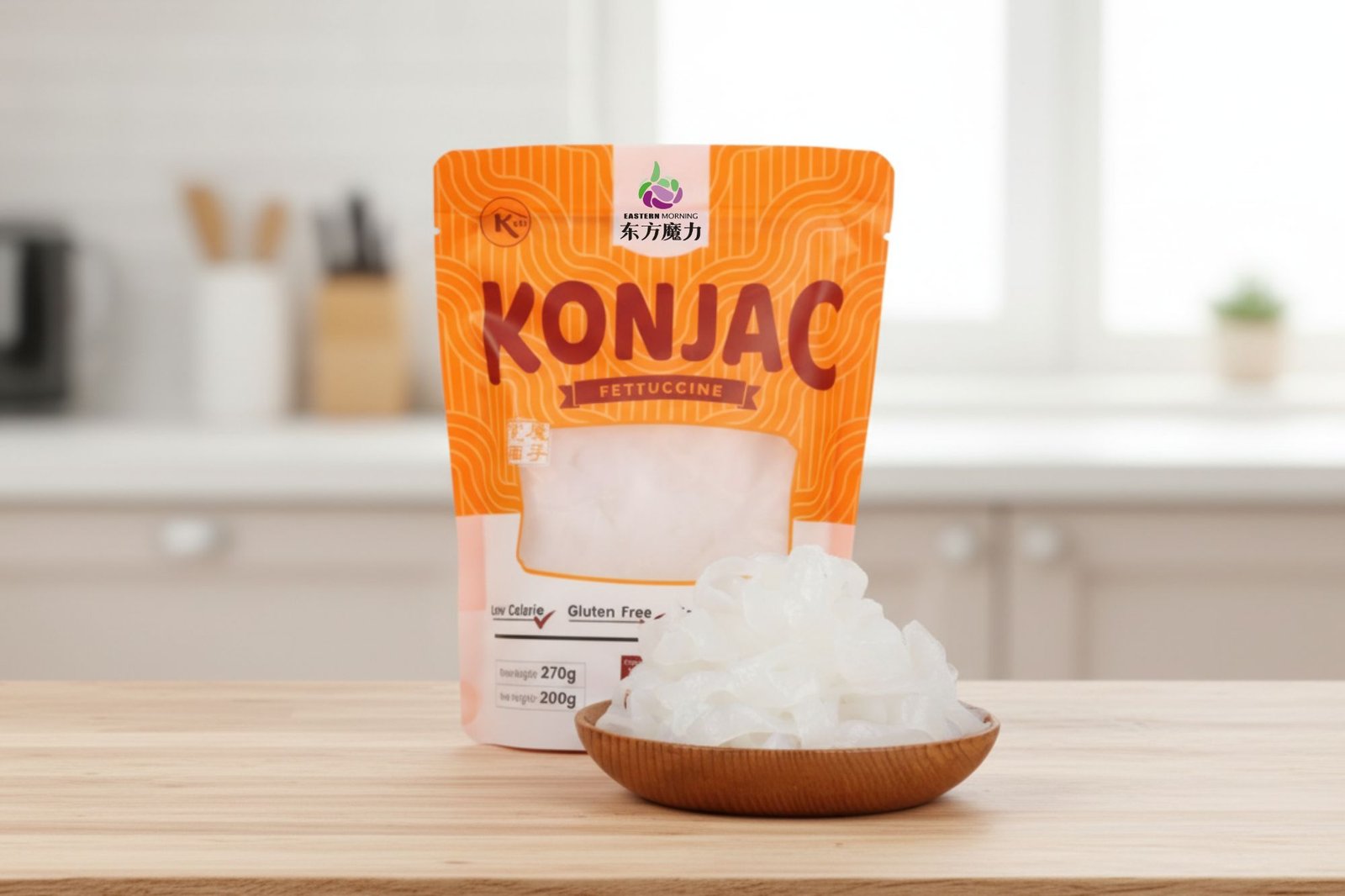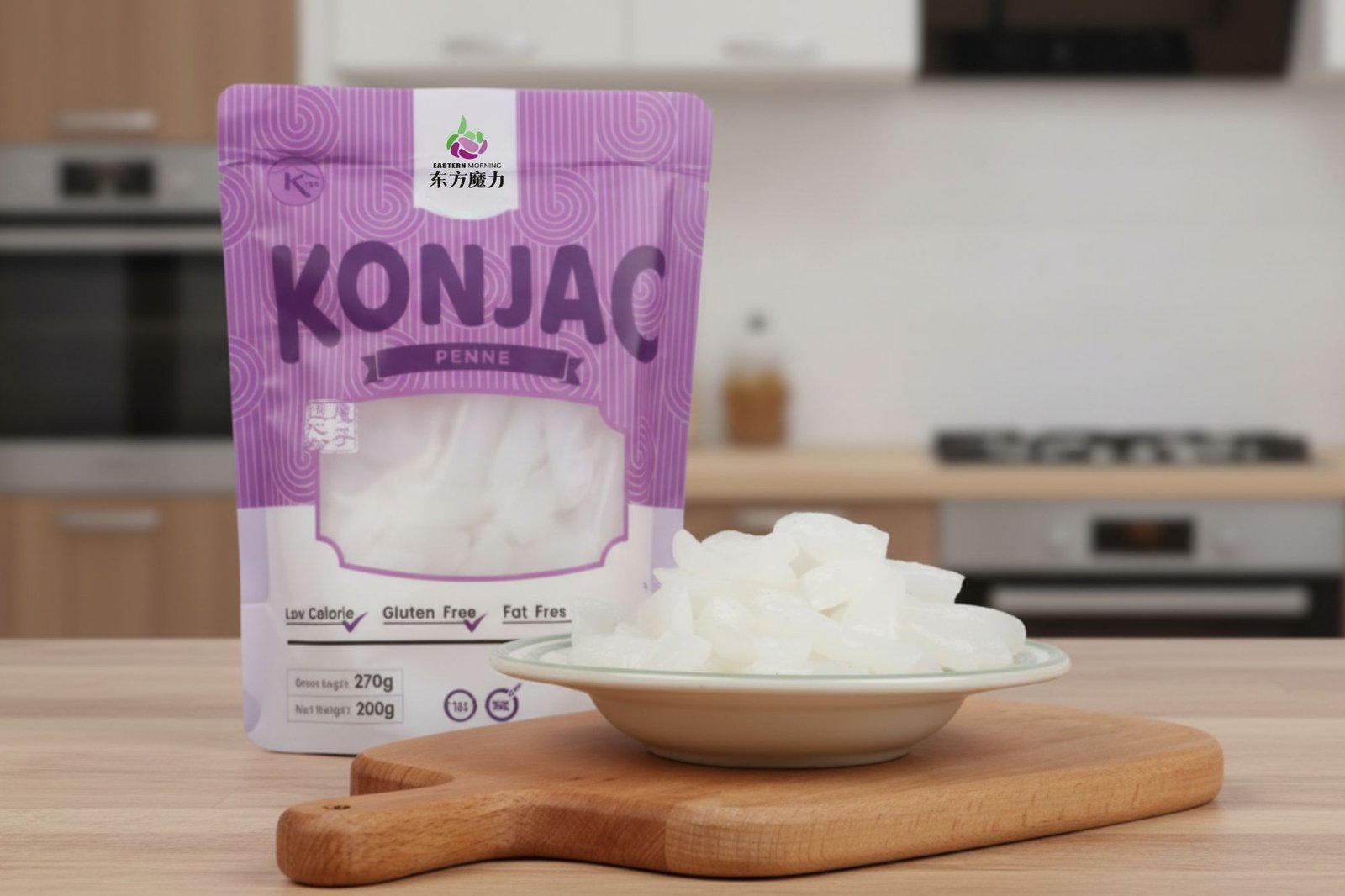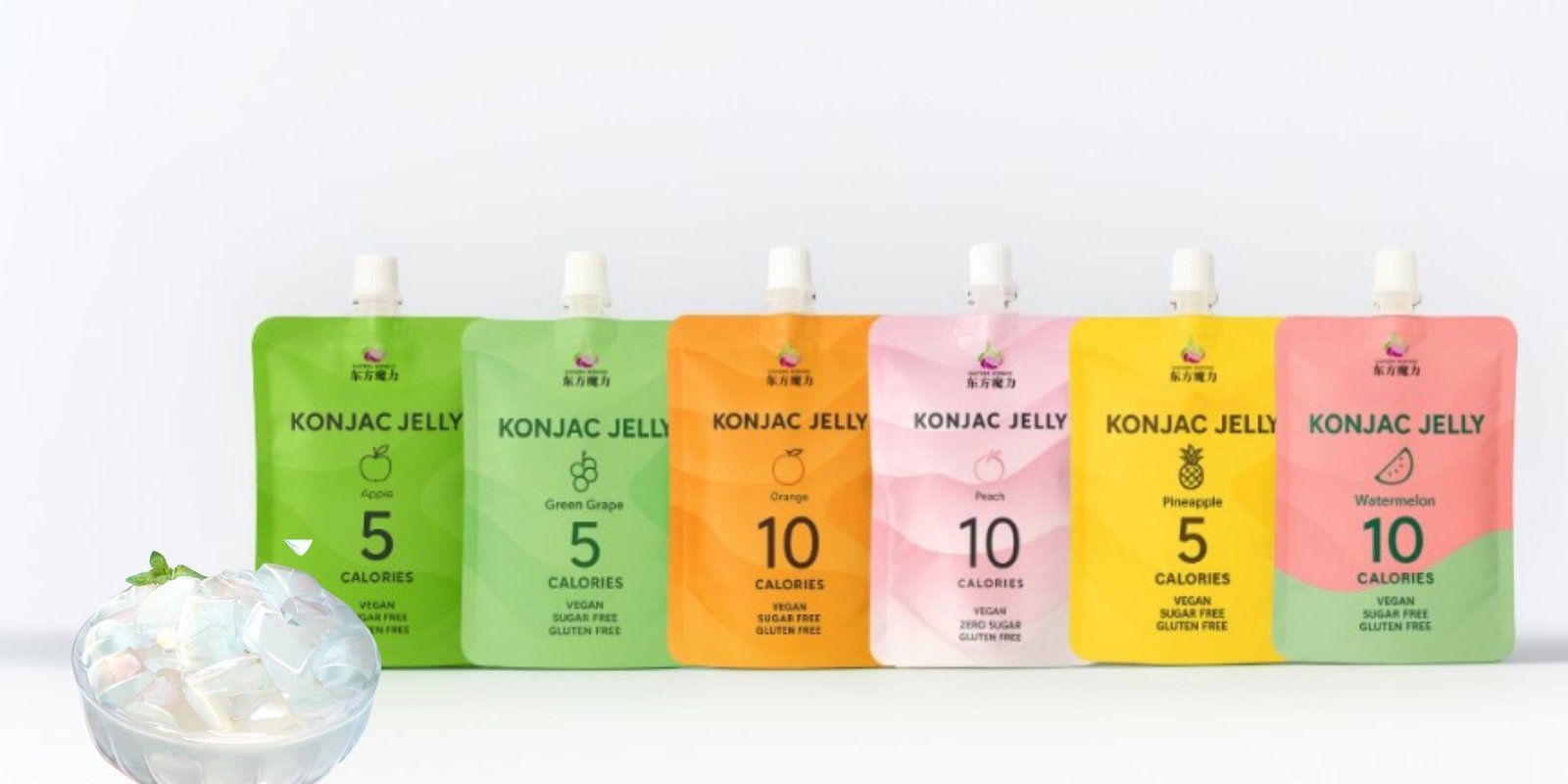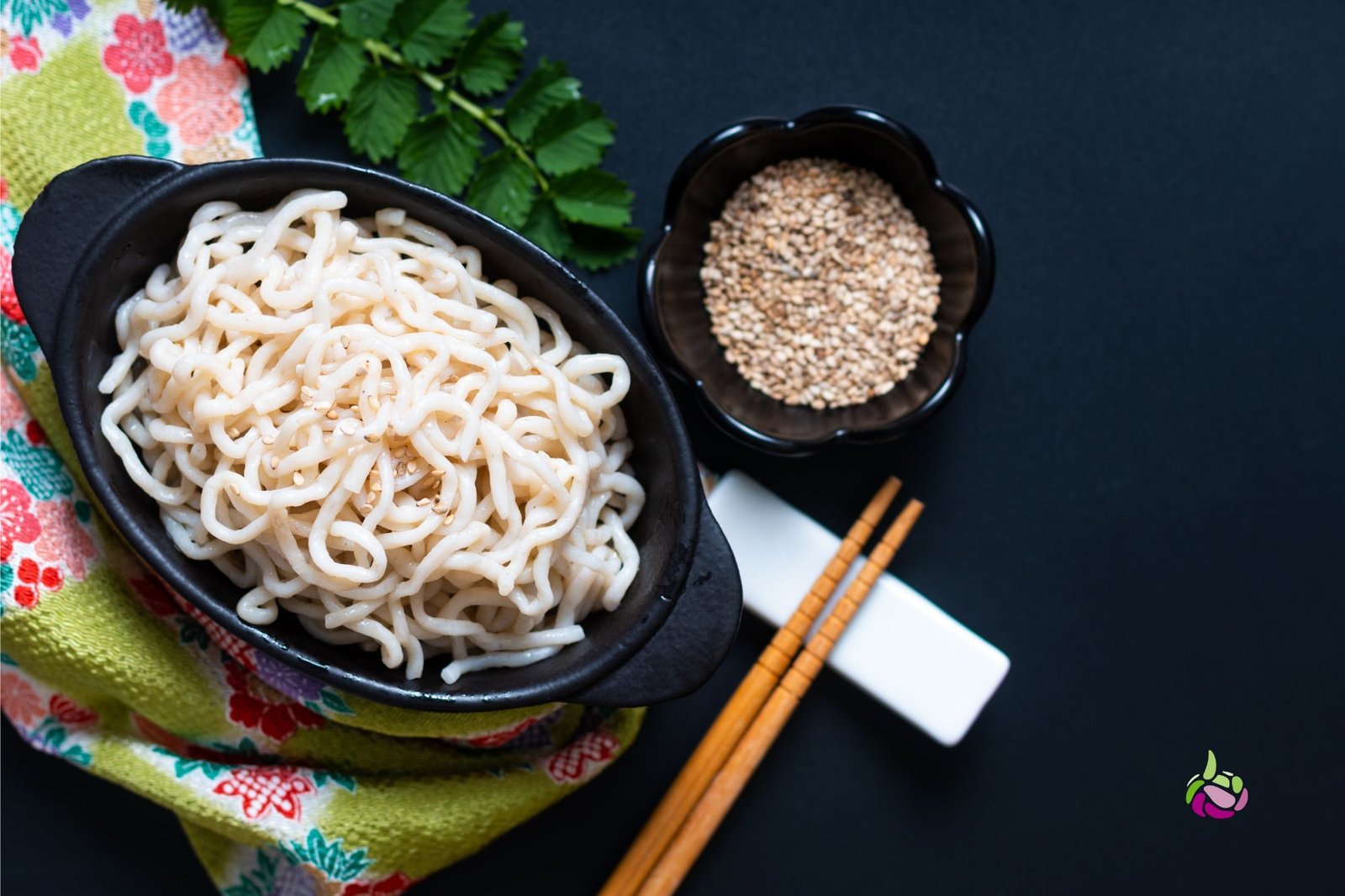
If you’re on a keto diet, following paleo principles, or simply trying to cut calories, you’ve probably seen the buzz around Konjac noodles — also known as shirataki noodles or “miracle noodles.”
The promise seems almost too good to be true:
- Zero sugar
- Zero fat
- Practically zero calories
But let’s be honest — the first time most people open a pack, they’re hit with a strange odor. And after cooking? The texture can feel more like rubber bands than real pasta.
Does that mean you should toss them out? Absolutely not.
Konjac noodles can be one of the most effective tools for weight management and low‑carb living — if you know how to prepare them properly. Most people give up because they treat them like regular wheat pasta.
This guide will explain how to eliminate the smell, improve the texture, and prevent common digestive issues so you can enjoy konjac noodles with confidence.
The “Fishy” Smell — What It Is & How to Remove It
First, an important clarification: The smell is not a sign of spoilage.
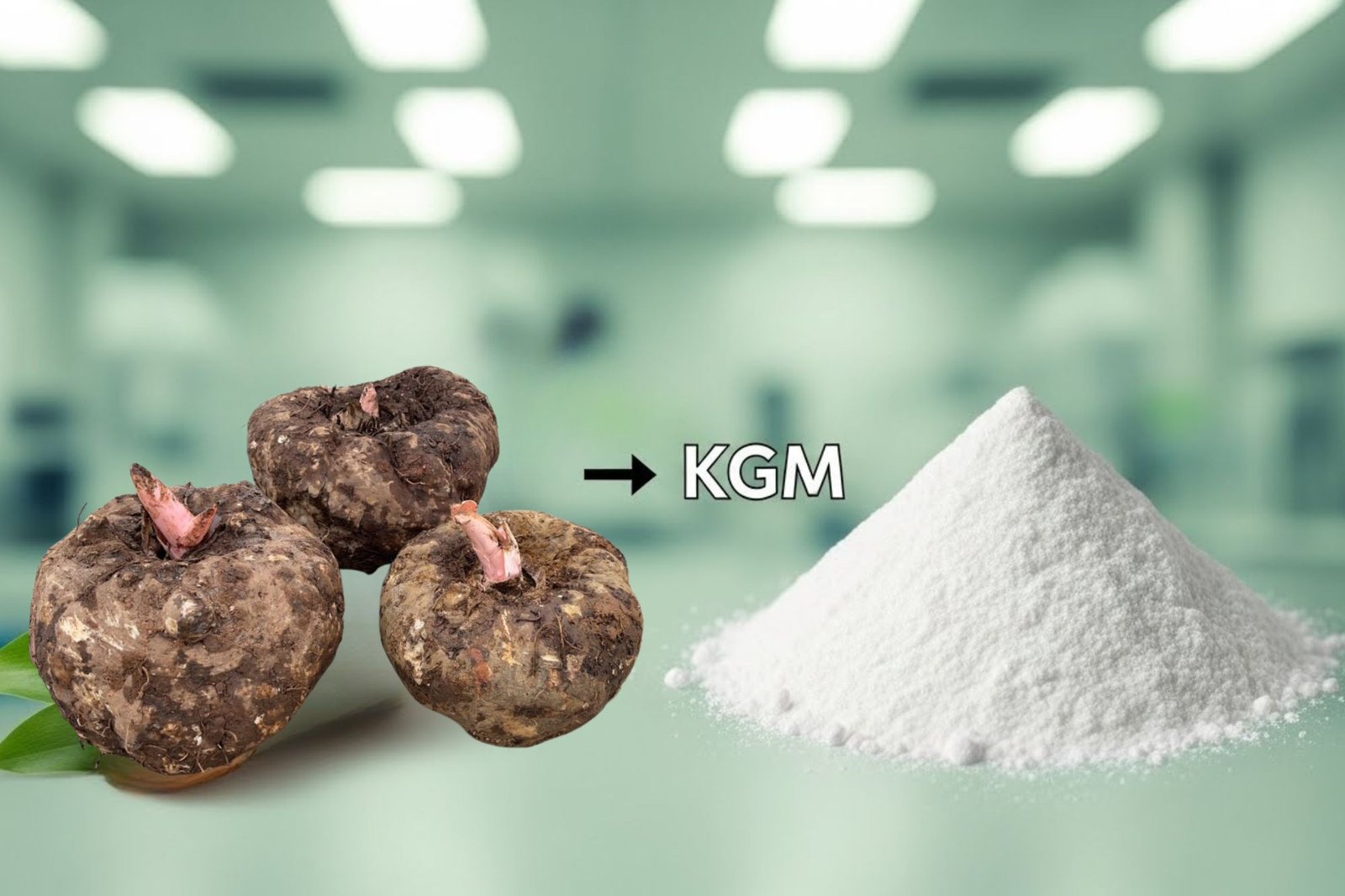
It comes from the calcium hydroxide (lime water) used in processing the konjac root flour to keep it preserved. It’s harmless, but definitely unappetizing.
To eliminate both the smell and the slimy texture, follow this simple 3‑Step Prep Method:
1. Rinse
Place the noodles in a colander and rinse thoroughly with cold running water for at least 60 seconds. This instantly removes about 80% of the odor.
2. Boil
Transfer the rinsed noodles to a pot of boiling water for 2–3 minutes. This is a crucial step that helps remove deep-seated residues and softens the tough konjac fibers.
3. Dry Fry (The "Secret" Step!)
Most instructions skip this, but it makes the biggest difference.
Drain the noodles well, then toss them into a non‑stick pan over medium‑high heat with NO oil.
Stir them around for 5–8 minutes.
- What to look for: The noodles will start to release steam and shrink slightly.
- The "Squeak" Test: You will eventually hear a distinct "squeaking" sound when you move them. That is your cue that they are ready!
Why this matters: Dry frying removes excess water, changing the texture from "slimy" to "al dente" (chewy). It creates a matte surface that allows sauces to actually stick to the noodle instead of sliding off.
Part 2: Benefits vs. Side Effects
What Makes Konjac Powerful
Konjac is rich in glucomannan, a soluble fiber that expands in your stomach to promote a feeling of fullness.
- Helps create a massive calorie deficit: Just 10–20 calories per serving vs. 200+ for pasta.
- Zero glycemic impact: Excellent for diabetics and keto dieters.
- Portion control: It physically fills you up, making overeating difficult.
⚠️ Side Effects & How to Prevent Them
Let’s get specific about the "dangers" you might read about online and how to easily avoid them.
1. Bloating & Gas
The Cause: Glucomannan is a fermentable fiber. If your gut bacteria aren’t used to high fiber, they will work overtime, producing gas.
The Fix: Start small. Do not eat a whole bag on day one. Mix half a serving of konjac with plenty of veggies or protein until your digestion adjusts.
2. The "Heavy Stomach" Sensation
The Cause: Long noodle strands don’t break down easily in the stomach like flour pasta. If swallowed whole, they can sit in your stomach longer than expected.
The Fix: Snip them! Use kitchen shears to cut the noodles into manageable lengths before cooking. This forces you to chew less and aids digestion.
3. Dehydration Constipation
The Cause: Fiber needs water to move. Without it, glucomannan acts like a dry sponge in your gut.
The Fix: Follow the "Two-Glass Rule" — drink at least two large glasses of water with your meal.
Part 3: How to Make Konjac Noodles Actually Delicious
Konjac noodles are neutral in flavor (bland). They are 97% water.
Rule of Thumb: If you treat them like spaghetti bolognese, you might be disappointed. If you treat them like Asian rice noodles, you will love them.
Best Practices for Flavor
- ❌ Avoid thin soups: Unless the broth is thickened with cornstarch or xanthan gum, the noodles will feel slippery and separate from the flavor.
- ✅ Use "Clingy" Sauces: You need healthy fats. Peanut butter sauces, sesame paste, heavy cream, or avocado-based sauces work best because the fat grips the noodles.
- ✅ High Heat Stir-Fry: Since the noodles are already cooked, you are just heating them up. High heat adds a nice char.
Try these pairings:
- Keto Pad Thai: Use crushed peanuts, lime, and egg.
- Garlic Butter Shrimp: The butter coats the dry-fried noodles perfectly.
- Spicy Sesame Noodles: Chili oil and tahini mask the texture and add a savory punch.
FAQ: Real Questions Users Ask
Q: Why did I see noodles in the toilet the next day?
A: Don’t panic! Konjac fiber is highly indigestible (similar to corn kernels). If you didn’t chew them thoroughly, your body will pass them intact. This is normal, but try cutting them shorter next time!
Q: Are these truly keto-friendly?
A: Yes. Konjac noodles contain 0g net carbs, making them a "Holy Grail" food for strict keto followers.
Q: Can I freeze konjac noodles?
A: No. Freezing completely ruins the molecular structure. They will turn into a mushy, inedible texture. Keep them in the pantry or fridge.
Q: Do they taste like traditional pasta?
A: Not exactly. They are more like a firm rice noodle or glass noodle. Think of them as a "vehicle for sauce" rather than the main flavor event.
Treat Them Right, Enjoy the Benefits
Konjac noodles are a powerful ally for weight management, blood sugar control, and low‑carb diets — but they require a little bit of respect in the kitchen.
The secret is all in the prep: Rinse, Boil, and Dry‑Fry until they squeak.
Once you master that simple routine, you’ll be able to enjoy generous, satisfying bowls of noodles while keeping your calories low and your carbs in check.
Ready to try? Grab a pack, get your non-stick pan ready, and don’t forget to drink your water!