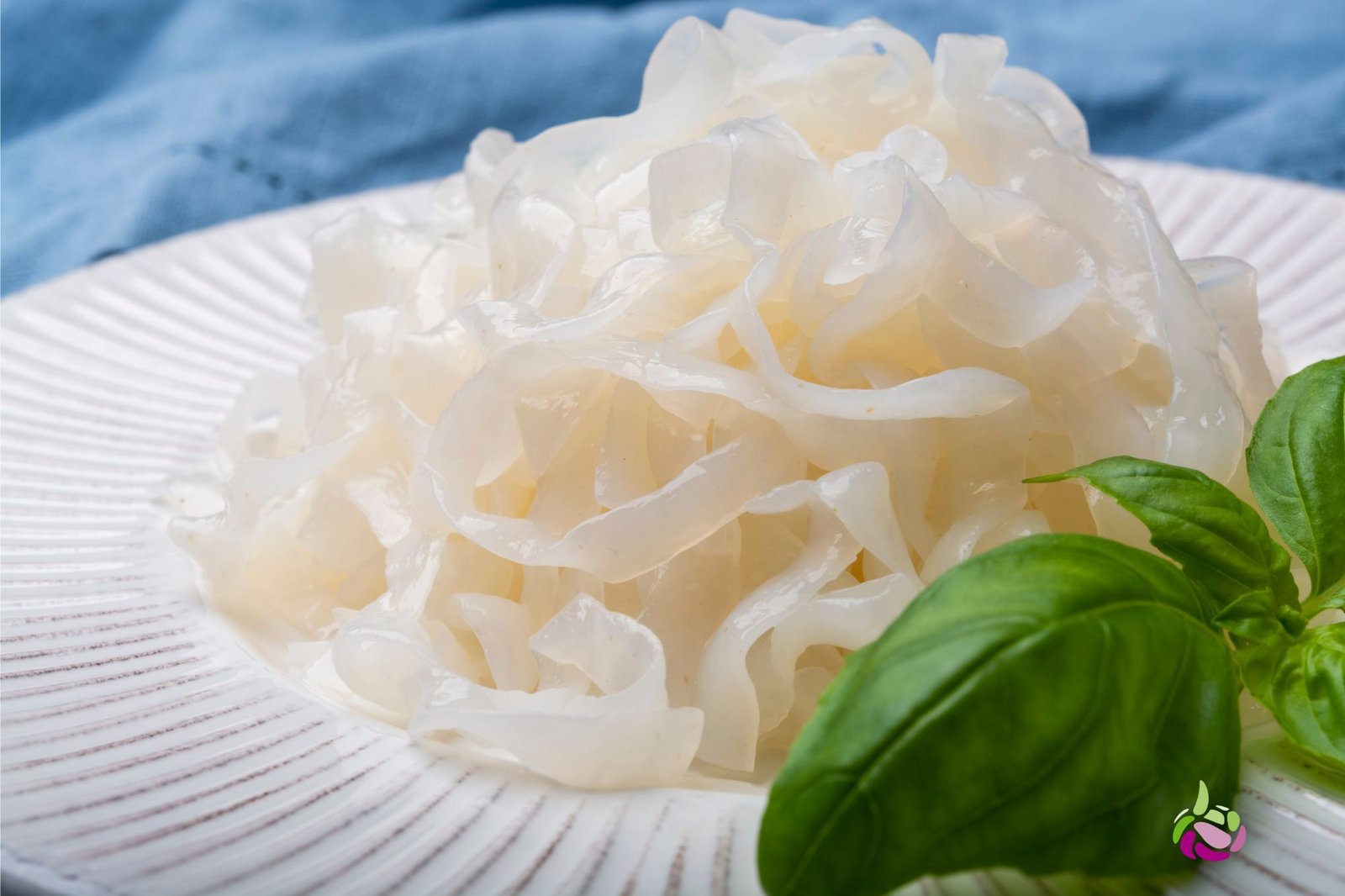
Konjac is a natural plant-based ingredient known for its high fiber and low-calorie content. It’s widely used in foods aimed at healthy eating, weight control, and even special diets like keto or vegan. If you’ve seen konjac products in the store—like konjac blocks, konjac noodles (also called konjac silk), or konjac meal replacement powders—you may have wondered why they look different, or why prices vary so much. The answer lies in how they’re processed.
Here’s a beginner-friendly guide to help you understand the differences and choose the right konjac product for your needs.
Why Does Konjac Need Processing?
You might be surprised to learn that raw konjac tuber contains natural alkaloids and irritants that make it inedible in its harvested state.
To ensure safety and functionality, the tuber must undergo a sophisticated extraction process.
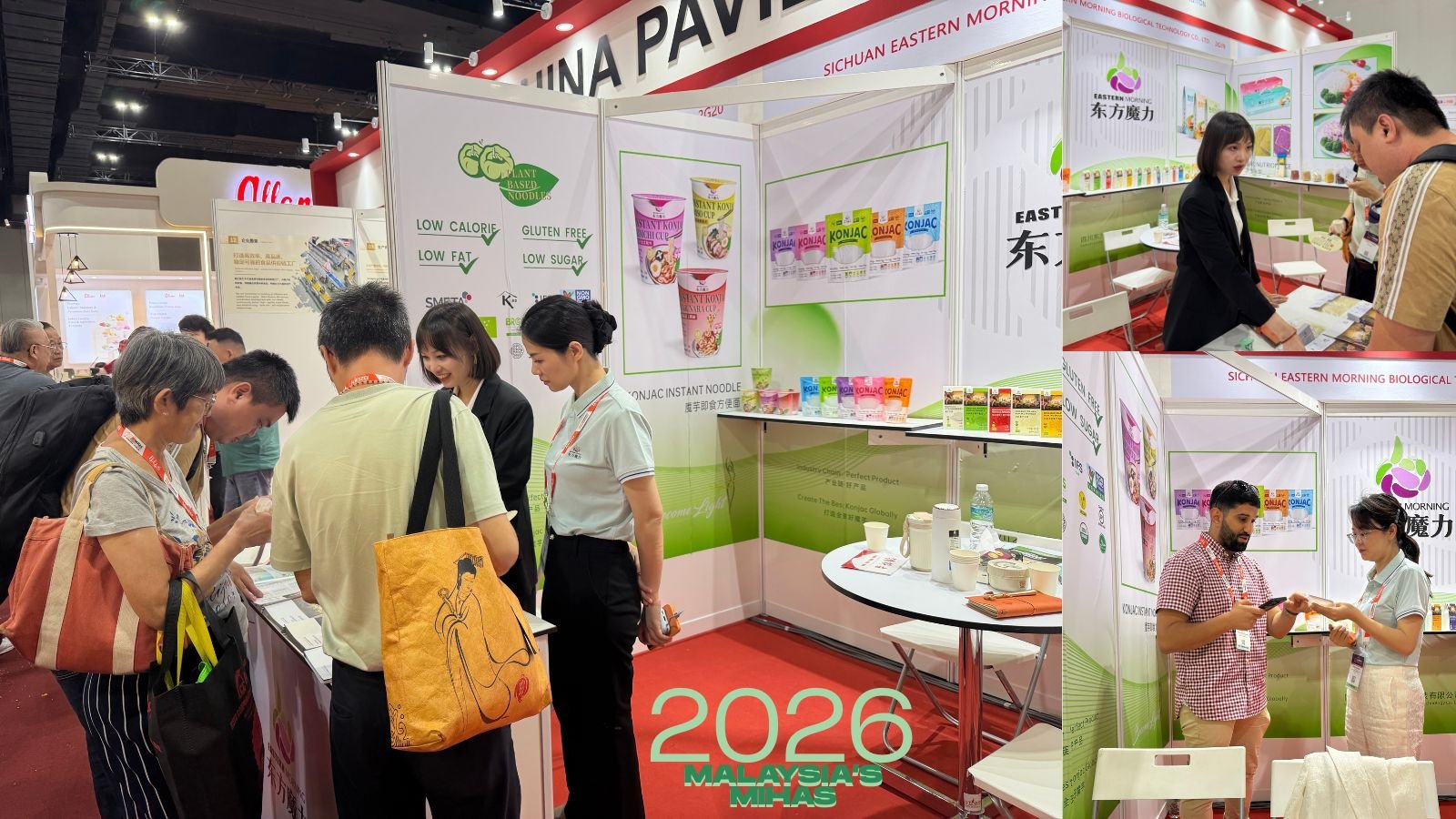
At Eastern Morning’s Anzhou facility, we employ a multi-stage ethanol purification process.
This not only removes natural alkaloids but also ensures our refined konjac powder reaches the highest purity levels — up to 95% glucomannan — meeting international food safety compliance standards.
To make konjac edible, manufacturers follow a process that usually includes:
- Grinding the tuber into powder
- Washing the juice multiple times to remove irritants
- Adding lime (calcium hydroxide) to neutralize toxins
- Boiling the mixture
- Turning it into a gel-like substance
Only after these steps is konjac safe to eat. This is why it’s important to only purchase konjac products from trusted sources that follow proper food safety standards.
Procurement Insights: Why Price and Color Vary
For professional B2B buyers and R&D managers, the “whiteness” of konjac powder is not just an aesthetic choice; it is a critical indicator of ash content and sulfur dioxide (SO₂) levels.
Refined White Konjac Flour (Premium Grade)
Technical Profile:
Lower ash content, neutral odor, and exceptional viscosity (up to 40,000 mPa·s).
Best For:
- Premium meal replacements
- High-end shirataki noodles
- Brands targeting the EU/US markets, where clean-label and low-odor profiles are mandatory
Crude Brown Konjac Flour (Standard Grade)
Technical Profile:
Higher mineral (ash) content with a distinct earthy aroma and visible bark particles.
Best For:
- Traditional food service
- Budget-conscious local markets
- Industrial applications where color and scent are secondary to fiber content
Understanding these refinement levels allows our partners to balance cost-efficiency with product positioning.
- Roughly processed konjac is brown or dark grey, with visible particles and a slight “fishy” or earthy smell. It still works well in recipes but may not be as smooth or appealing in texture.
- Finely processed konjac is off-white or pure white, with uniform particles, a smooth texture, and no smell. It’s more commonly found in premium products like konjac meal replacement powders or ready-to-eat low-calorie foods.
In short: the whiter and smoother the konjac product, the more refined—and usually, the more expensive—it is.
Should You Worry About the Nutritional Difference?
Not really.
Whether the konjac is dark or white, the core nutritional benefit—mainly its high glucomannan fiber content—remains the same. Both help with:
- Promoting a feeling of fullness
- Supporting digestive health
- Managing weight and blood sugar levels
However, some consumers may prefer finely processed products for their taste, texture, and versatility in cooking.
How to Choose the Right Konjac Product
Here are a few tips when shopping:
Check the ingredient list
Make sure it includes konjac or konjac powder as a primary ingredient. The simpler, the better.
Decide on your use
- Want to cook noodles or add to hotpots? Konjac blocks or konjac silk (noodles) are great.
- Looking for a convenient diet product or drink mix? Konjac meal replacement powder is a smart choice.
Balance price vs. preference
Finer white konjac products usually cost more due to extra processing, but they often offer a better taste and texture.