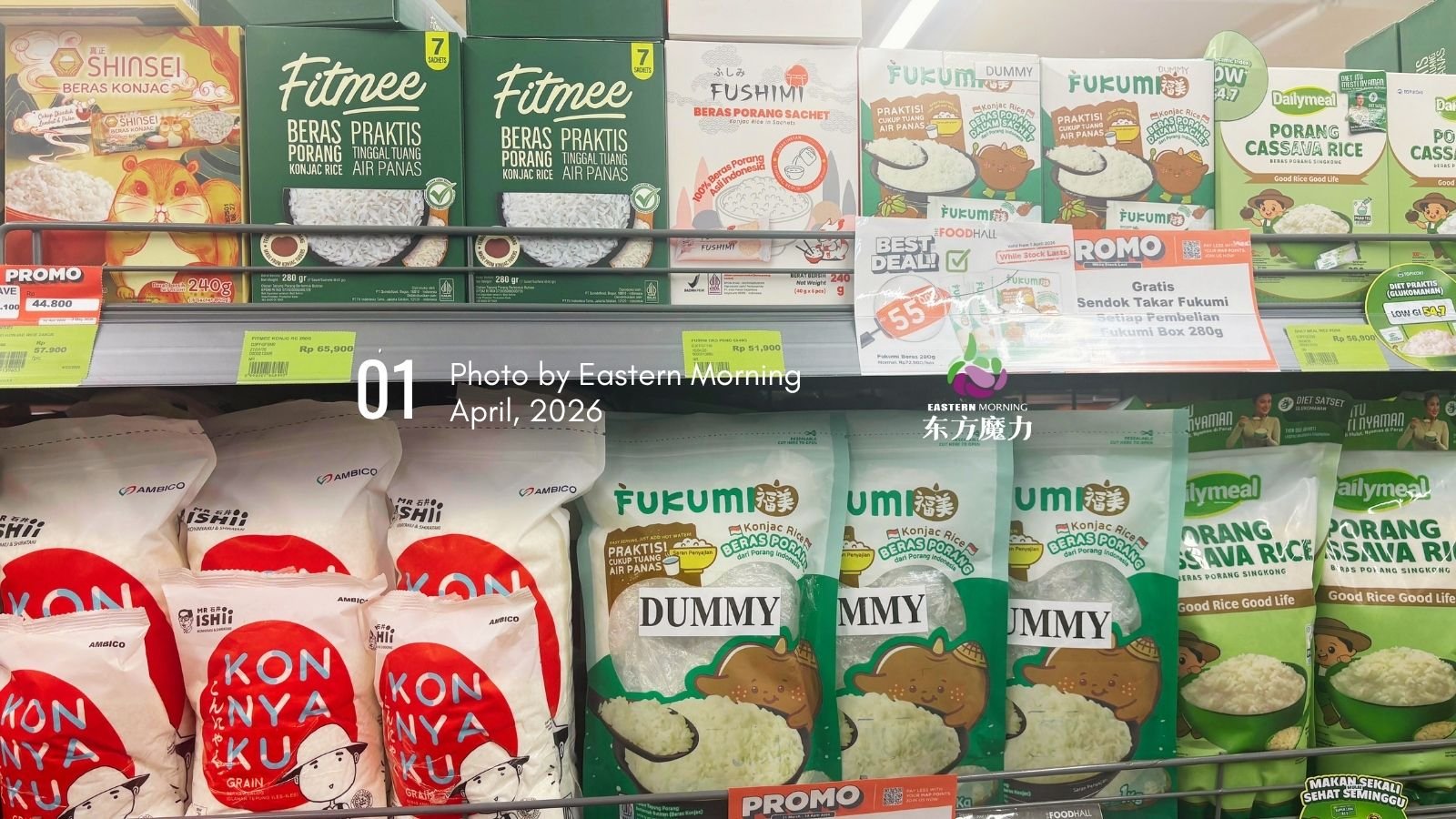
I started seeing konjac rice on more and more Indonesian store shelves this year. At first, I thought it was just another health food trend. But after speaking with several of buyers and retailers in the region, I realized something bigger was happening. The keto wave has truly arrived in Southeast Asia, and Malaysia is riding it hard.
If you want to buy konjac rice in Indonesia, you have three main options: local health food stores; online marketplaces like Tokopedia, Shopee, and Lazada; and brand shops like Fukumi and Sedap Food Group. Alternatively, you can source directly from a certified manufacturer in China. For businesses planning to launch their own brand, direct sourcing offers better pricing, quality control, and customization.
Most first-time buyers focus only on price. That is a mistake. Quality, consistency, and supplier reliability matter far more, especially if you plan to build a brand or serve repeat customers. Let me walk you through what you need to know.
What Is Another Name for Konjac Rice?
I get this question from new buyers almost every week. They see different names on different websites and wonder if they are talking about the same product.
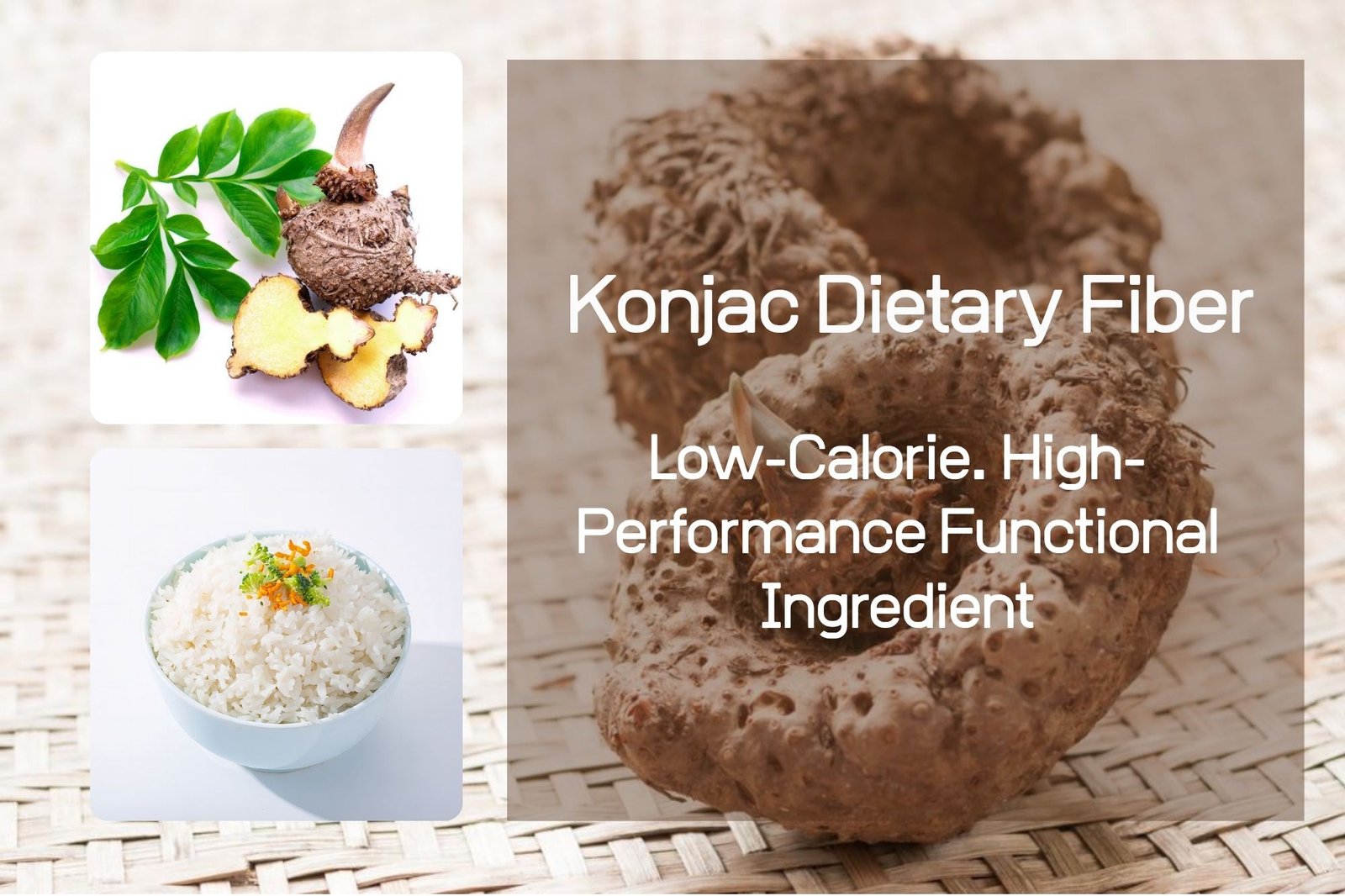
Konjac rice is also called shirataki rice, konnyaku rice, or miracle rice,Indonesian call it beras porang, All these names refer to rice-shaped food made from konjac flour, a plant-based ingredient extracted from the konjac root.
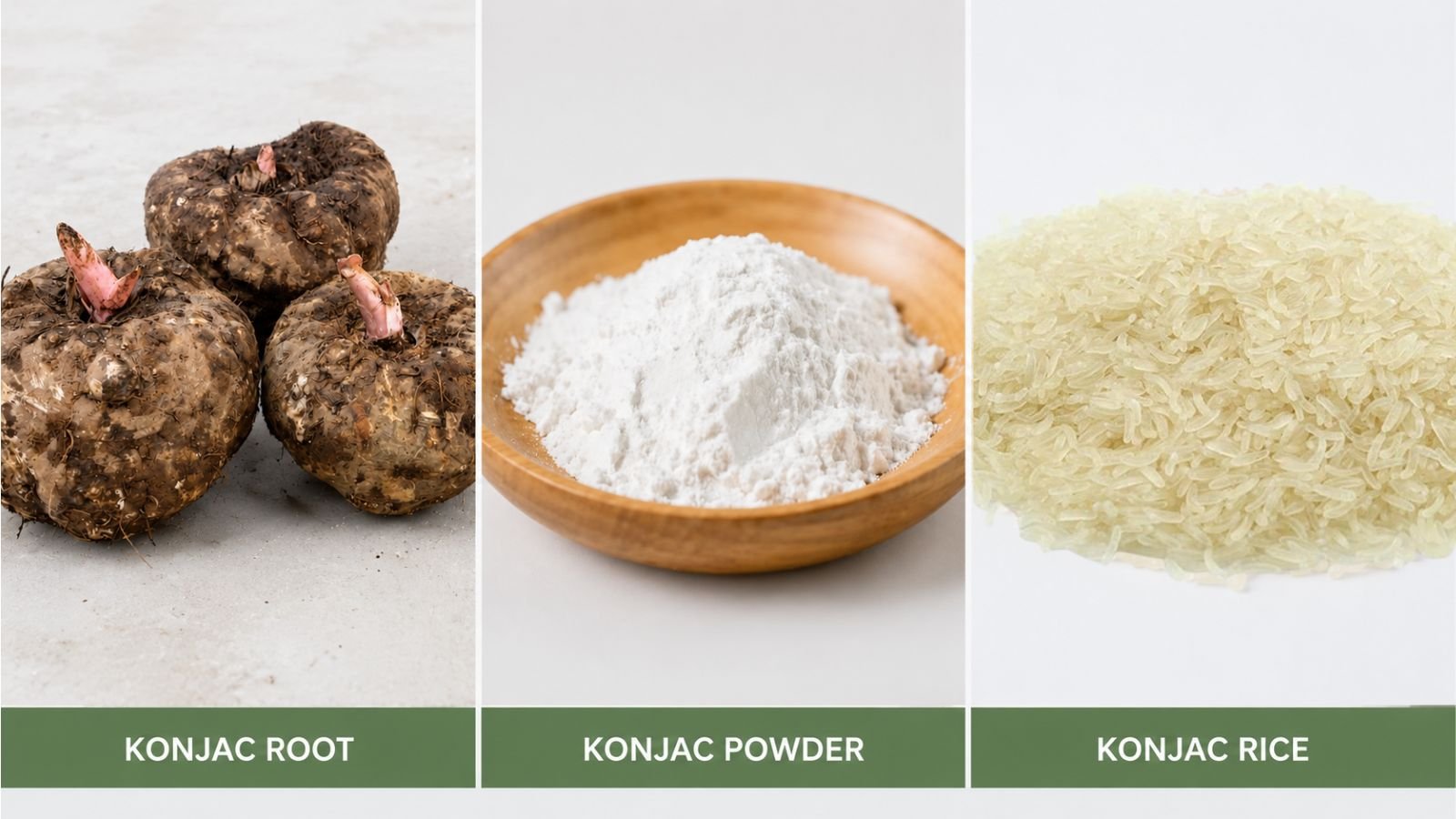
The confusion comes from cultural differences. In Japan, people say "konnyaku." In the West, "shirataki" became popular because of the noodle form. "Miracle rice" is a marketing term that highlights the product’s low-calorie profile. But they all come from the same source: glucomannan, the soluble fiber extracted from konjac root.
Why Names Matter for Your Business
If you run a store or plan to launch a brand, pick one name and stick with it. I have seen brands lose customers because their packaging said "shirataki rice" but their ads said "Beras konjak." People got confused. They thought they were different products. Consistency builds trust. In our experience, "beras porang" "konjac rice" works best in Indonesia because it is simple and easy to remember.
What Are the Ingredients in Konjac Rice?
This is where many new buyers make their first big mistake. They assume all konjac rice is the same. It is not.
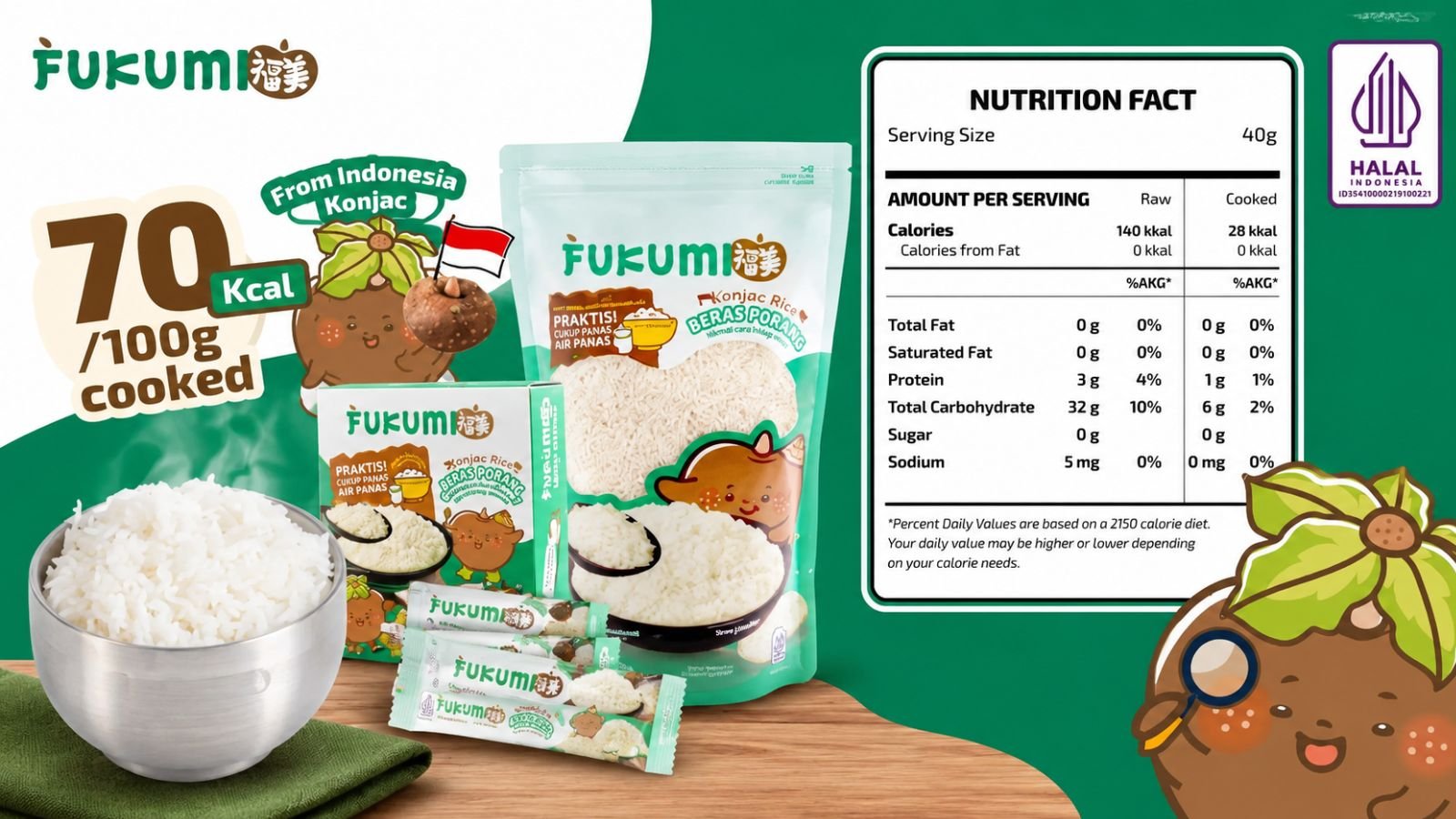
Most konjac rice contains three core ingredients: Tepung konjak (glucomannan), water, and a firming agent like calcium hydroxide. Some brands add oat fiber, tapioca starch, or other plant-based ingredients to improve texture and nutritional value.
Let me break this down further:
| Ingredient Type | Purpose | What to Watch For |
|---|---|---|
| Tepung Konjak (Glukomanan) | Provides fiber, creates gel texture | Higher percentage means more fiber, lower net carbs |
| Water | Hydrates the product (wet type) | Wet products need refrigeration, shelf life is shorter |
| Calcium Hydroxide | Firms texture, prevents breakdown | Food-grade quality matters, check certifications |
| Oat Fiber (optional) | Adds bulk, improves mouthfeel | Common in "high-protein" or "premium" variants |
| Tapioca Starch (optional) | Improves binding, adds slight chew | Increases carb count slightly |
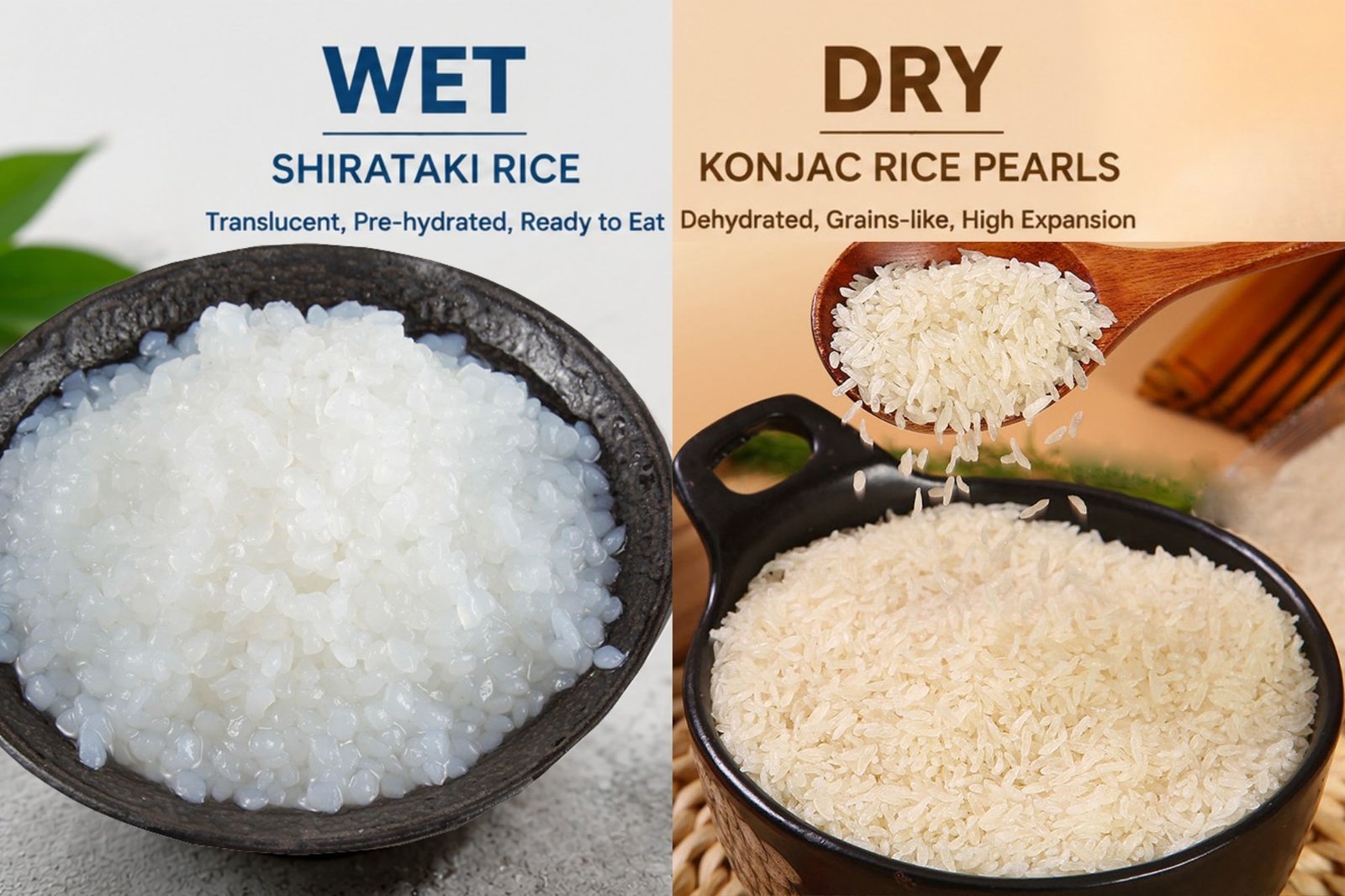
Here is something important that many buyers overlook: dry konjac rice and wet konjac rice cannot be marketed the same way. Wet konjac rice comes packed in water. It has a softer, more jelly-like texture. It needs cold storage. Dry konjac rice is dehydrated. It has a longer shelf life and does not need refrigeration. But it takes longer to prepare.
I have seen brands launch wet konjac rice without understanding the cold chain requirements. Their product spoiled during transport. Customers complained. Sales dropped. If you plan to sell in Indonesia’s hot climate, think hard about your logistics before you choose wet or dry.
How Much Fiber and Carbs Does Konjac Rice Have?
This is the question that drives most sales. People buy konjac rice because they want low carbs and high fiber. But not all konjac rice delivers the same numbers.
A typical 100g serving of pure konjac rice contains about 1-4 grams of fiber, less than 1 gram of digestible carbs, and only 10-20 calories. Products with added oat fiber or starch may contain 5-8 grams of total carbs, but most of that is still fiber.
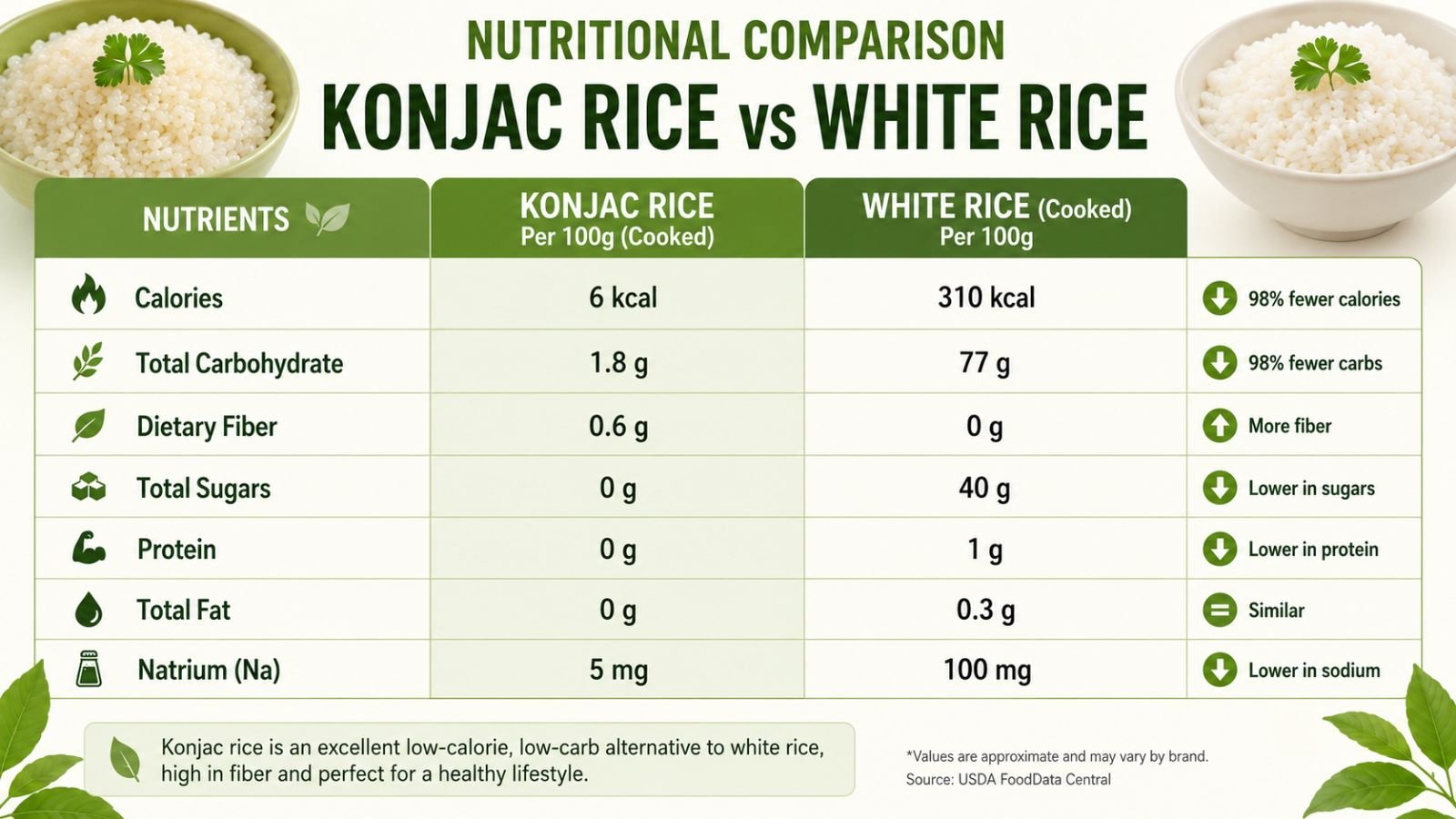
Let me show you how this compares:
| Jenis Produk | Kalori (per 100g) | Total Carbs (g) | Fiber (g) | Net Carbs (g) |
|---|---|---|---|---|
| Nasi Putih | 310 | 77 | 0 | 27.6 |
| Brown Rice | 110 | 23 | 1.8 | 21.2 |
| Pure Konjac Rice | 6-20 | 3-4 | 3-4 | 0-1 |
| Konjac Rice with Oat Fiber | 20-30 | 6-8 | 5-7 | 1-2 |
The difference is massive. That is why keto dieters love konjac rice. It lets them eat rice-like meals without breaking their carb limits.
But here is what I want you to understand as a buyer or brand owner: not every customer cares about keto. Some just want more fiber. Others want convenience. If you only talk about "low carb," you miss half your market. I have worked with brands that repositioned their konjac rice as a "high-fiber meal base" instead of just "keto rice." Their sales grew because they reached health-conscious consumers who were not strictly keto.
What Are the Benefits of Eating Konjac Rice?
You already know konjac rice is low in carbs and high in fiber. But benefits go deeper than that. Understanding these benefits helps you talk to customers in a way that resonates.
Konjac rice supports weight management, improves digestive health, helps control blood sugar, and keeps you full longer. It is also suitable for people with diabetes, those on keto or low-carb diets, and anyone looking to reduce their overall calorie intake without feeling deprived.
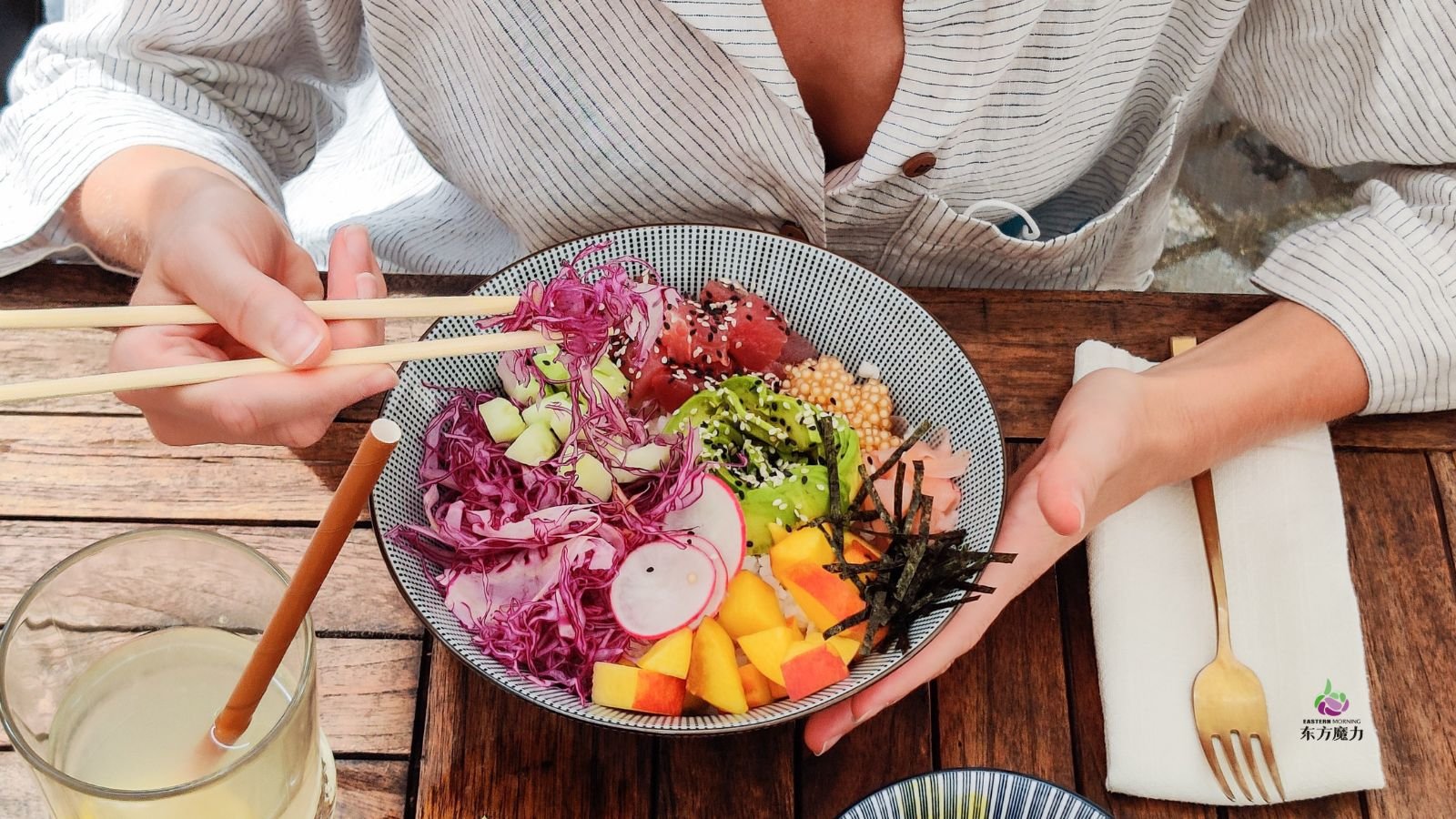
Let me go deeper into each benefit:
Weight Management and Satiety
Glucomannan absorbs water and expands in your stomach. This makes you feel full without adding many calories. I have spoken to customers who replaced one rice meal per day with konjac rice and lost weight steadily over three months. They did not feel hungry. That is the key. Diets fail when people feel deprived. Konjac rice prevents that.
Digestive Health
Fiber feeds the good bacteria in your gut. It also promotes regular bowel movements. Many customers report feeling less bloated after switching to konjac rice. But I need to be honest: some people experience mild stomach discomfort when they first try konjac. That usually happens if they eat too much too fast. Start small. Let your body adjust.
Kontrol Gula Darah
Konjac rice has a very low glycemic index. It does not spike your blood sugar the way white rice does. This makes it ideal for people with diabetes or anyone trying to stabilize their energy levels throughout the day. In our experience, this is one of the top reasons Malaysian buyers choose konjac rice. Diabetes rates are rising across Southeast Asia, and people are looking for practical solutions.
Why This Matters for Your Brand
If you plan to sell konjac rice, do not just list features. Talk about real-life benefits. Show customers how konjac rice fits into their daily routine. Use testimonials. Share recipes. Make it easy for them to imagine using your product. Brands that do this well see higher repeat purchase rates. Brands that only talk about fiber and carbs see lower customer loyalty.
What to Look for When Choosing Konjac Rice
Choosing the right konjac rice for your business or personal use is not as simple as picking the cheapest option. I have seen too many buyers make that mistake, only to face quality complaints or slow-moving inventory later.
When choosing konjac rice, prioritize certifications, ingredient transparency, texture consistency, shelf life, and supplier reliability. For businesses, consider whether you need wet or dry formats and if customization is important for your target market.
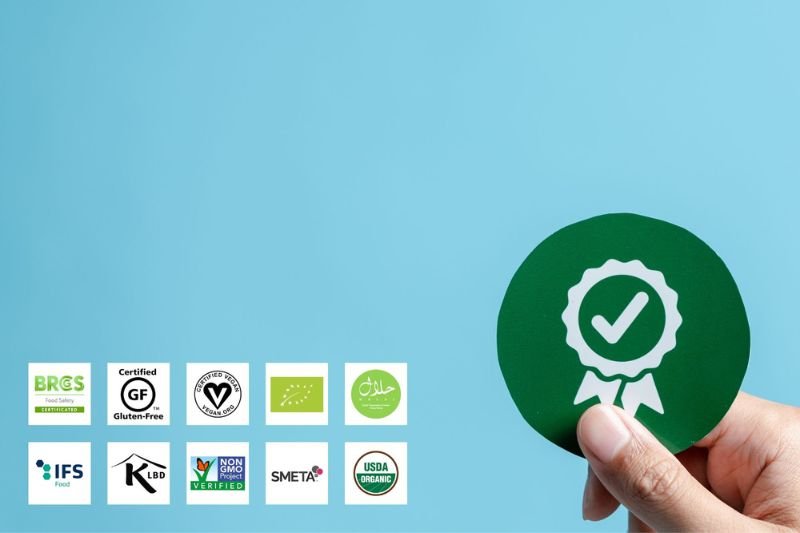
Here is what to check:
Certifications and Food Safety Standards
Look for certifications like HACCP, BRC, IFS, or FDA approval. These prove the manufacturer follows strict hygiene and safety protocols. In Indonesia, HALAL certification also matters. Many local consumers will not buy a product without it. If you plan to sell to supermarkets or large retailers, they will ask for these certificates before they stock your product.
Ingredient Transparency
Read the label carefully. How much konjac flour does the product contain? What other ingredients are added? Some brands add starches or fillers to cut costs. That increases carbs and reduces the health benefits. If you are targeting keto customers, they will notice. They will stop buying. Transparency builds trust.
Texture and Consistency
Not all konjac rice tastes or feels the same. Some is too soft and mushy. Some is too firm and rubbery. The best konjac rice mimics real rice as closely as possible. Before you commit to a supplier, ask for samples. Test the texture yourself. Cook it. Taste it. Imagine your customer doing the same. If you are not happy, they will not be either.
Shelf Life and Storage Requirements
Wet konjac rice usually lasts 6-12 months if stored properly. But it needs refrigeration once opened. Dry konjac rice can last 12-24 months at room temperature. If you sell online or through retail stores in hot areas, dry konjac rice might be a better fit. You avoid cold chain logistics. That saves money and reduces waste.
Supplier Reliability and Lead Times
This is critical for business buyers. I have worked with brands that launched a successful campaign, sold out their first batch, and then could not restock for three months because they did not plan ahead. OEM production takes time. If you want custom packaging or formulations, plan 6-8 weeks minimum. If you are targeting a peak season like Ramadan or Chinese New Year, start even earlier. Reliable suppliers will help you plan. Unreliable ones will leave you scrambling.
Where to Buy Konjac Rice in Indonesia?
Now we get to the practical part. You know what konjac rice is, how to evaluate it, and what benefits to look for. But where do you actually buy it?
In Indonesia, you can buy konjac rice from health food stores like Healthy Options or The Hive Bulk Foods, online platforms like Shopee and Lazada, or international retailers like Village Grocer and Jaya Grocer. For bulk or business purchases, sourcing directly from a certified manufacturer offers better pricing and customization.
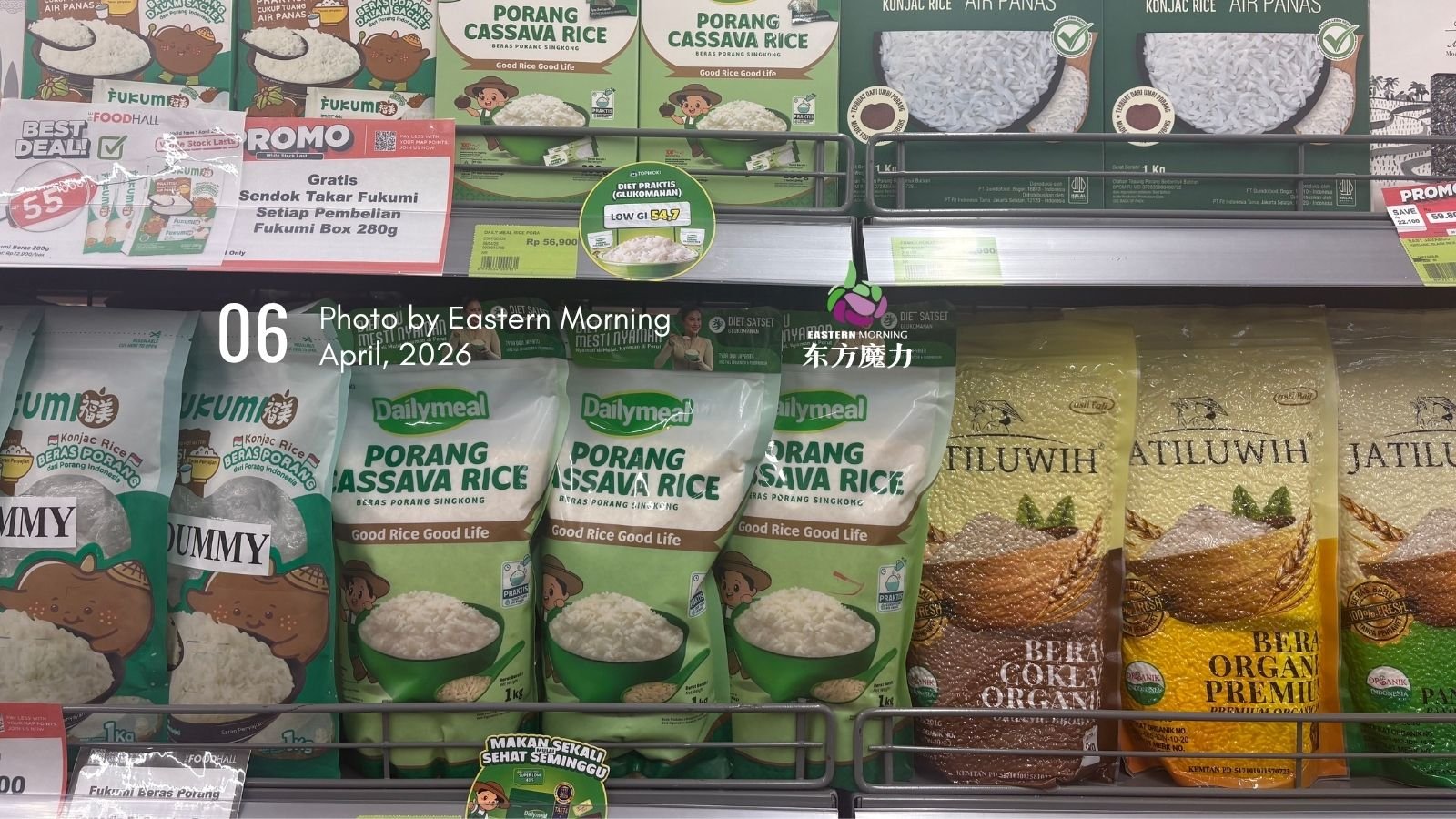
Let me break down each option:
Local Health Food Stores
Stores like Healthy Options, The Hive Bulk Foods, and Nature’s Farm stock konjac products. You can see the product in person. You can ask staff questions. But selection is limited. Prices are higher because these stores add retail markup. If you just want to try konjac rice for the first time, this is fine. But if you plan to buy regularly or in larger quantities, it is not cost-effective.
Online Marketplaces
Shopee and Lazada have dozens of konjac rice brands. You can compare prices easily. You can read customer reviews. You can order from home. But quality varies widely. Some sellers import directly from China with minimal quality checks. Some repackage expired stock. Some use misleading photos. Always check seller ratings. Look for sellers with high transaction volumes and good feedback. In our experience, brands that invest in professional photos, clear ingredient lists, and responsive customer service do better on these platforms.
International Supermarkets
Village Grocer, Jaya Grocer, and Cold Storage carry imported konjac rice brands. These stores curate their selection. Quality is generally higher. But prices are premium. You pay for convenience and brand trust. If you want a safe, reliable option for personal use, this works well. But for business buyers, the margins are too thin.
Direct from Manufacturer
This is where things get interesting for business buyers. If you want to launch your own brand, sell in bulk, or negotiate better prices, sourcing directly from a manufacturer makes sense. Most konjac rice sold globally comes from China, where konjac grows naturally and production capacity is high. Malaysia is one of the fastest-growing markets for konjac products in Southeast Asia, and direct sourcing lets you tap into that growth with better control.
Why Source Direct from a China Manufacturer?
I know some buyers feel nervous about sourcing from China. They worry about quality. They worry about communication. They worry about scams. Those concerns are valid. But when you work with the right manufacturer, the benefits far outweigh the risks.
Sourcing konjac rice directly from a certified Chinese manufacturer gives you access to better pricing, full customization options, consistent quality, reliable supply, and faster time-to-market for your brand. It also lets you control your product specifications, packaging, and certifications.
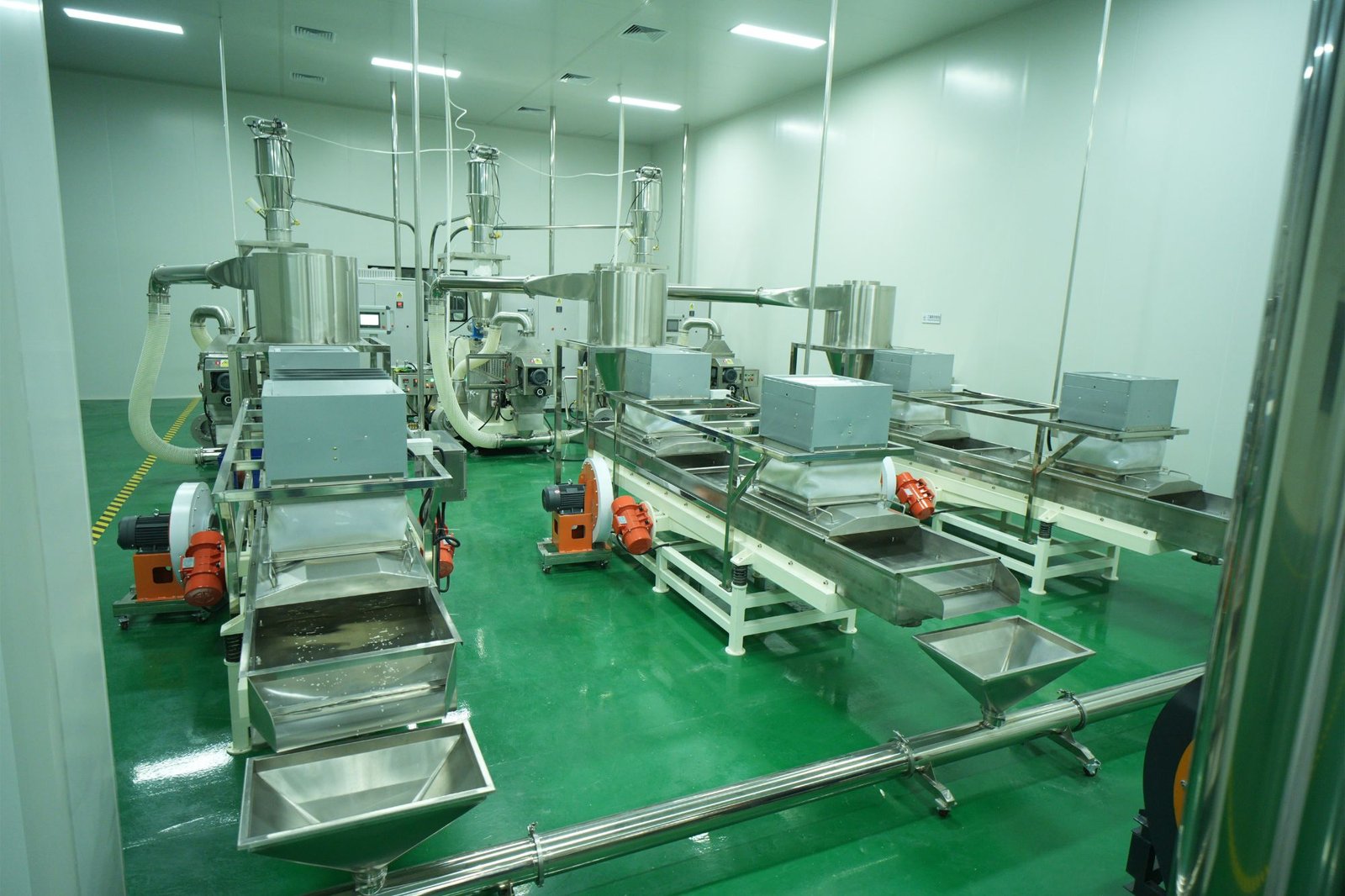
Here is why this matters:
Cost Advantage
Middlemen add markup at every step. A retailer buys from a distributor. The distributor buys from an importer. The importer buys from a manufacturer. Each step adds cost. When you source direct, you skip all those layers. You pay factory prices. For business buyers, this can mean 30-50% cost savings. That money goes back into your marketing, packaging, or profit margin.
Customization and Private Label Options
Most manufacturers offer OEM and private label services. That means you can create your own brand. You choose the formulation. You choose the packaging design. You choose the flavor or added ingredients. You can target specific niches like high-protein konjac rice or instant ready-to-eat formats. I have worked with brands that launched unique products this way and gained strong market positions because no one else offered the same thing.
Quality Control and Traceability
Reputable manufacturers maintain full traceability from raw material to finished product. You can visit the factory. You can audit their processes. You can request third-party lab tests. This level of control is impossible when you buy from a retailer or distributor. If a quality issue arises, you work directly with the source to fix it. That speed and transparency matter when your brand reputation is on the line.
Reliable Supply and Scalability
Once you find a reliable manufacturer, they become a long-term partner. They reserve production capacity for you. They help you plan for demand spikes. They scale with you as your business grows. I have seen brands outgrow their local suppliers and struggle to find alternatives. When you start with a manufacturer that can handle large volumes, you avoid that problem.
Meeting International Standards
Good manufacturers hold certifications like BRC, IFS, HACCP, FDA, and HALAL. They export to North America, Europe, Japan, and the Middle East. That means their quality systems meet the strictest global standards. When you source from them, you inherit that credibility. Your customers and retail partners see those certifications on your packaging. It builds trust immediately.
How to Buy Konjac Rice in Bulk for Your Business
Let me walk you through the process step by step. This is what I recommend to brands and buyers who want to source konjac rice in bulk from a manufacturer.
To buy konjac rice in bulk, start by defining your product specifications, request samples from multiple manufacturers, verify certifications and production capacity, negotiate pricing and MOQ, finalize packaging and labeling, plan your timeline, and establish clear quality control checkpoints throughout production.

Let me break this down in detail:
Step 1: Define Your Product Specifications
Do not reach out to manufacturers until you know exactly what you want. Do you want dry or wet konjac rice? What serving size? What flavor or added ingredients? What certifications do you need? The clearer you are, the faster and more accurate the quotes you receive will be. I recommend creating a simple one-page spec sheet that covers product type, ingredients, packaging format, target certifications, and estimated order volume.
Step 2: Request Samples and Test Quality
Never place a bulk order without testing samples first. Request samples from at least three manufacturers. Cook them. Taste them. Test shelf life. Compare texture. Share samples with friends or potential customers. Get feedback. This step seems small, but it saves you from costly mistakes later. I have seen brands place large orders based only on photos and descriptions, then discover the product quality did not meet their expectations. By then, it was too late.
Step 3: Verify Certifications and Production Capacity
Ask for copies of certifications. Verify they are current and legitimate. Ask about production capacity. Can they handle your order volume? Can they scale if your demand grows? Ask about lead times. How long does production take? What about shipping? A manufacturer might offer the lowest price, but if they cannot meet your timeline or volume needs, they are not the right partner.
Step 4: Negotiate Pricing, MOQ, and Payment Terms
Most manufacturers set a minimum order quantity (MOQ). For konjac rice, this is often 500-1000 kg or 5000-10000 units, depending on packaging size. If you are a smaller buyer, ask if they offer lower MOQs for first-time customers. Negotiate pricing based on volume. Larger orders usually get better rates. Clarify payment terms. Most manufacturers ask for a deposit upfront and balance before shipment. Make sure you are comfortable with the terms before you commit.
Step 5: Finalize Packaging and Labeling
This is where OEM and private label services shine. You design your packaging. You choose colors, logos, and messaging. The manufacturer produces it according to your specs. Make sure your labels meet Malaysian regulations. Include nutritional information, ingredients, expiry date, storage instructions, and any required certifications like HALAL. If you are unsure, work with a local compliance consultant or ask your manufacturer for guidance. They usually have experience exporting to Malaysia and know the requirements.
Step 6: Plan Your Timeline Carefully
OEM production typically takes 6-8 weeks from order confirmation to delivery. That includes production time, packaging, quality checks, and shipping. If you are launching for a specific event or season, plan early. I have worked with brands targeting Ramadan or New Year promotions. Those who started planning three months ahead succeeded. Those who waited until the last minute faced delays, higher costs, or missed their window entirely.
Step 7: Set Up Quality Control Checkpoints
Do not wait until the product arrives to check quality. Establish checkpoints during production. Ask for progress photos. Request pre-shipment samples. If possible, hire a third-party inspection service to visit the factory before final shipment. This costs a little extra, but it protects your investment. Once the product ships, it is hard to fix problems. Prevention is better than dealing with complaints later.
Kesimpulan
Finding reliable konjac rice in Indonesia is easier than ever, whether you are buying for personal use or building a business. The keto wave is strong, and demand keeps growing. But success depends on choosing quality products, reliable suppliers, and clear strategies. If you are serious about launching a konjac rice brand or stocking your store with a product that actually sells, start by sourcing direct from a certified manufacturer. Plan ahead. Test samples. Build relationships. Your customers will thank you, and your business will grow.
Ready to source high-quality konjac rice for your brand? Hubungi kami today to request samples, discuss OEM options, and start building a product that stands out in the Indonesia market. Let’s make this happen together.