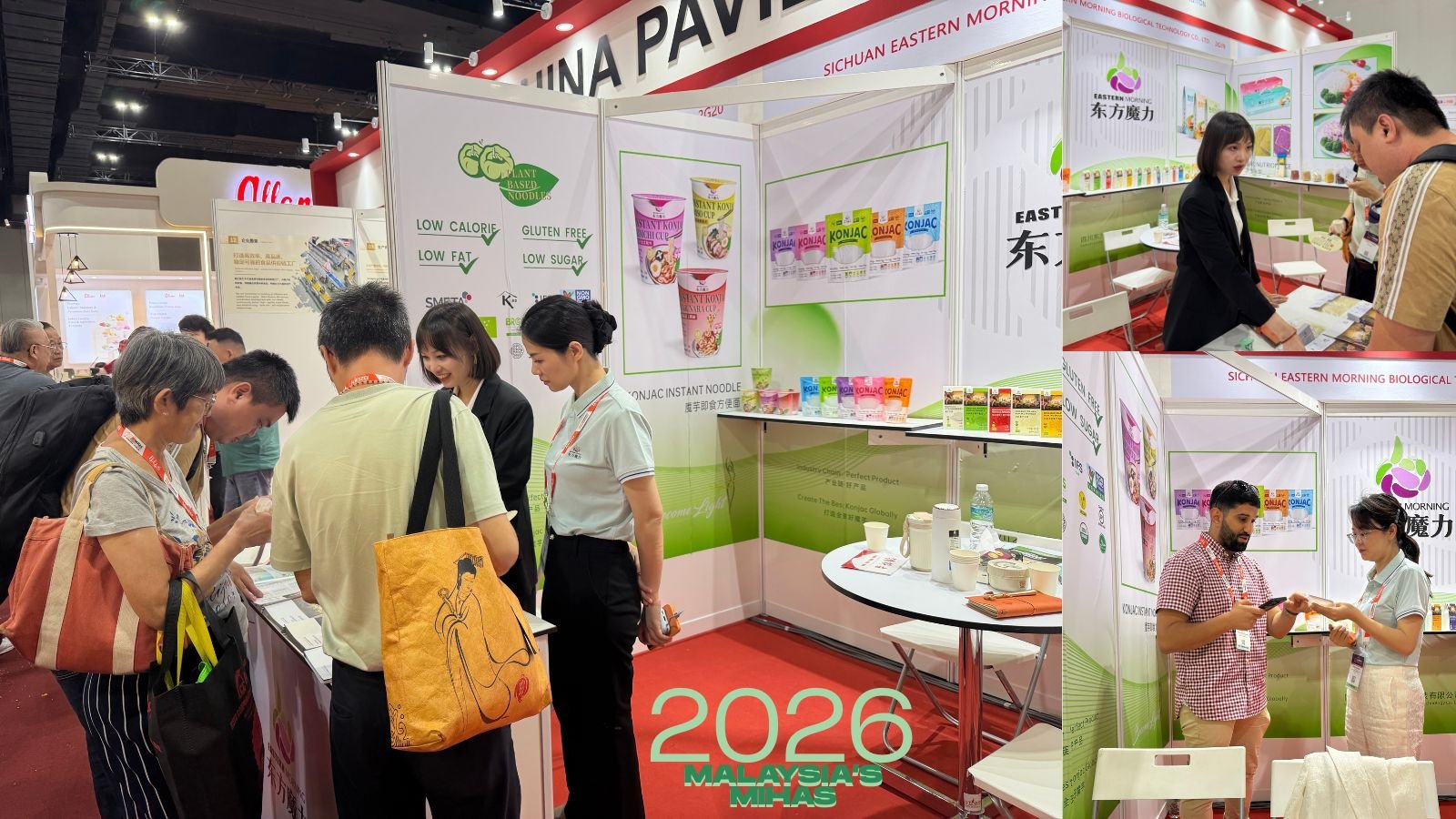
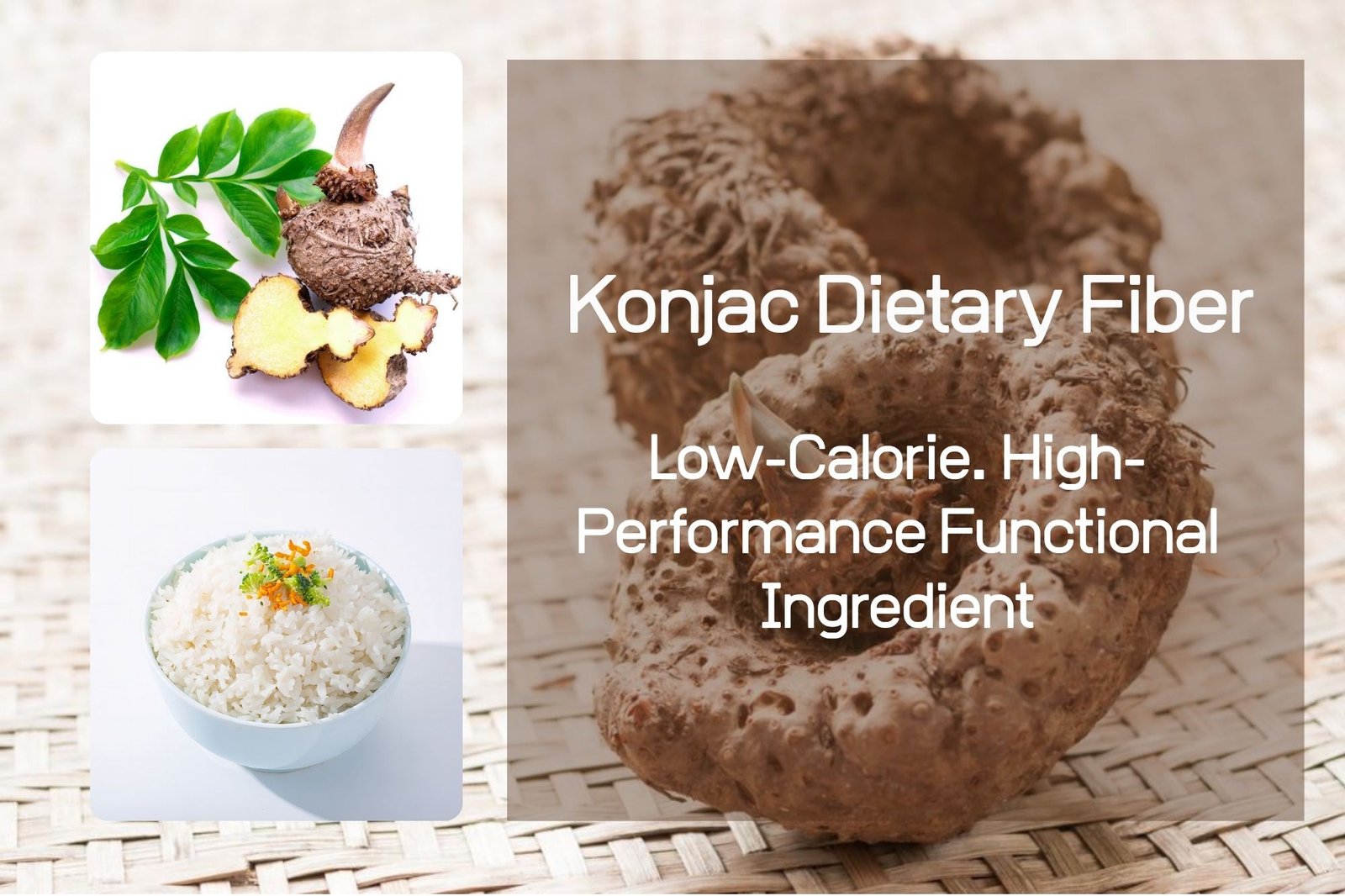
This article is for health food brand owners, wholesalers, importers, and anyone building a private label konjac product line. If you want to understand how konjac goes from seed to shelf, here’s what you need to know. You can also read about the full konjac production process from raw root to finished product.
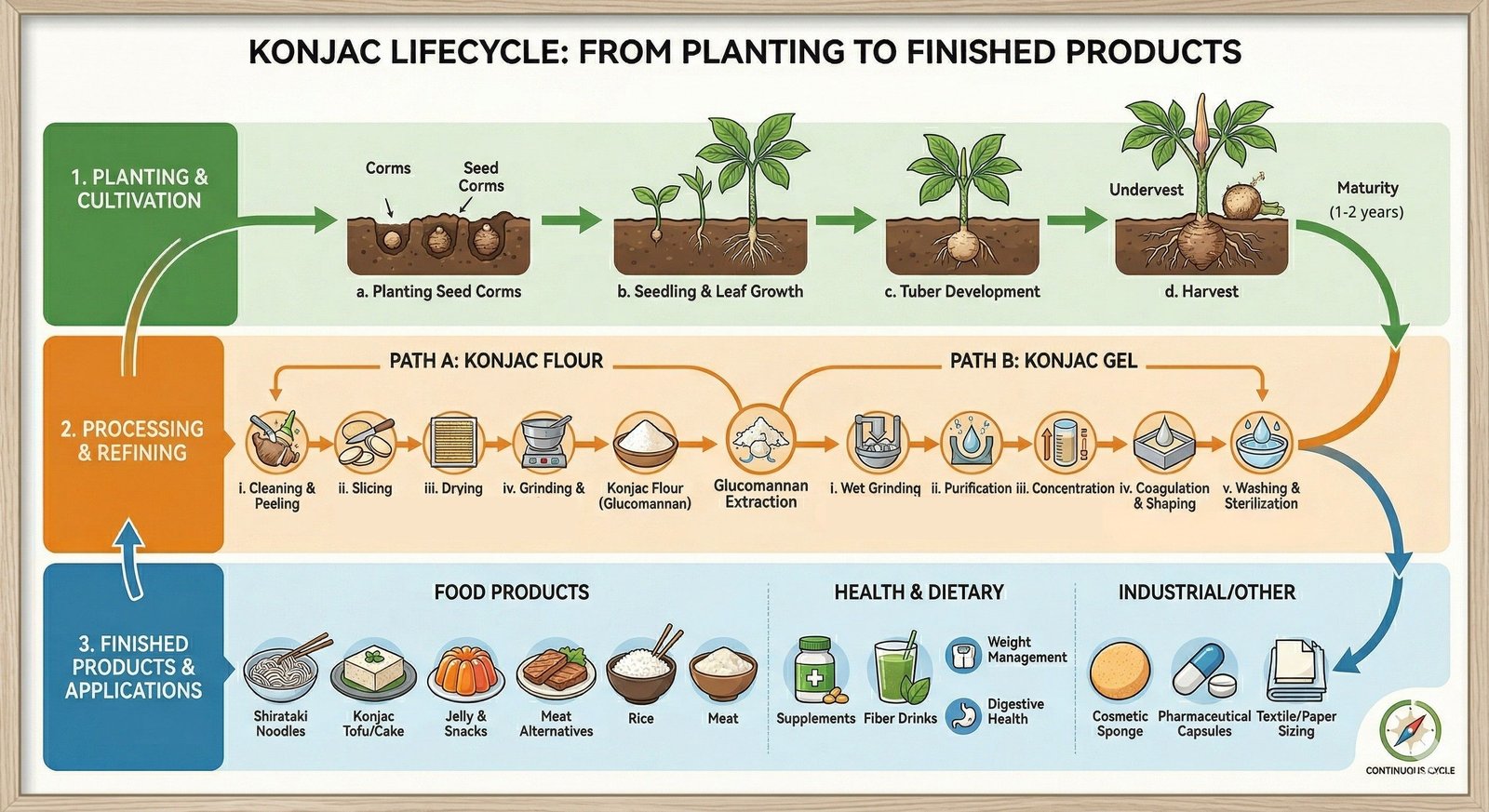
Why Sichuan konjac is the global benchmark
Konjac (Amorphophallus konjac) grows best in high-altitude, humid regions. Sichuan, China happens to be one of the best places on earth for it.
Our factory at Eastern Morning is in Anzhou, Sichuan, right next to native planting bases. That proximity matters. It means stable supply and consistent quality without relying on scattered middlemen. For more on what makes Anzhou konjac stand out, read why Anzhou konjac is the industry standard.
The power of the konjac corm
The konjac corm (root) is rich in glucomannan, a soluble fiber with some unusual properties:
- Absorbs up to 50 times its weight in water
- Forms a stable gel texture — perfect for noodles, rice, and jelly
- Naturally low-calorie and low-carb
That’s why you’ll find it in shirataki noodles, konjac rice, and functional fiber foods.
Health benefits driving market demand
Consumers are actively looking for gluten-free foods, low-carb alternatives, and high-fiber diets. Konjac checks all three boxes.
Is konjac gluten-free?
Yes. It’s 100% naturally gluten-free, grain-free, and soy-free. That makes it a solid fit for keto lines, paleo-friendly products, and celiac-safe categories.
How many calories are in konjac rice?
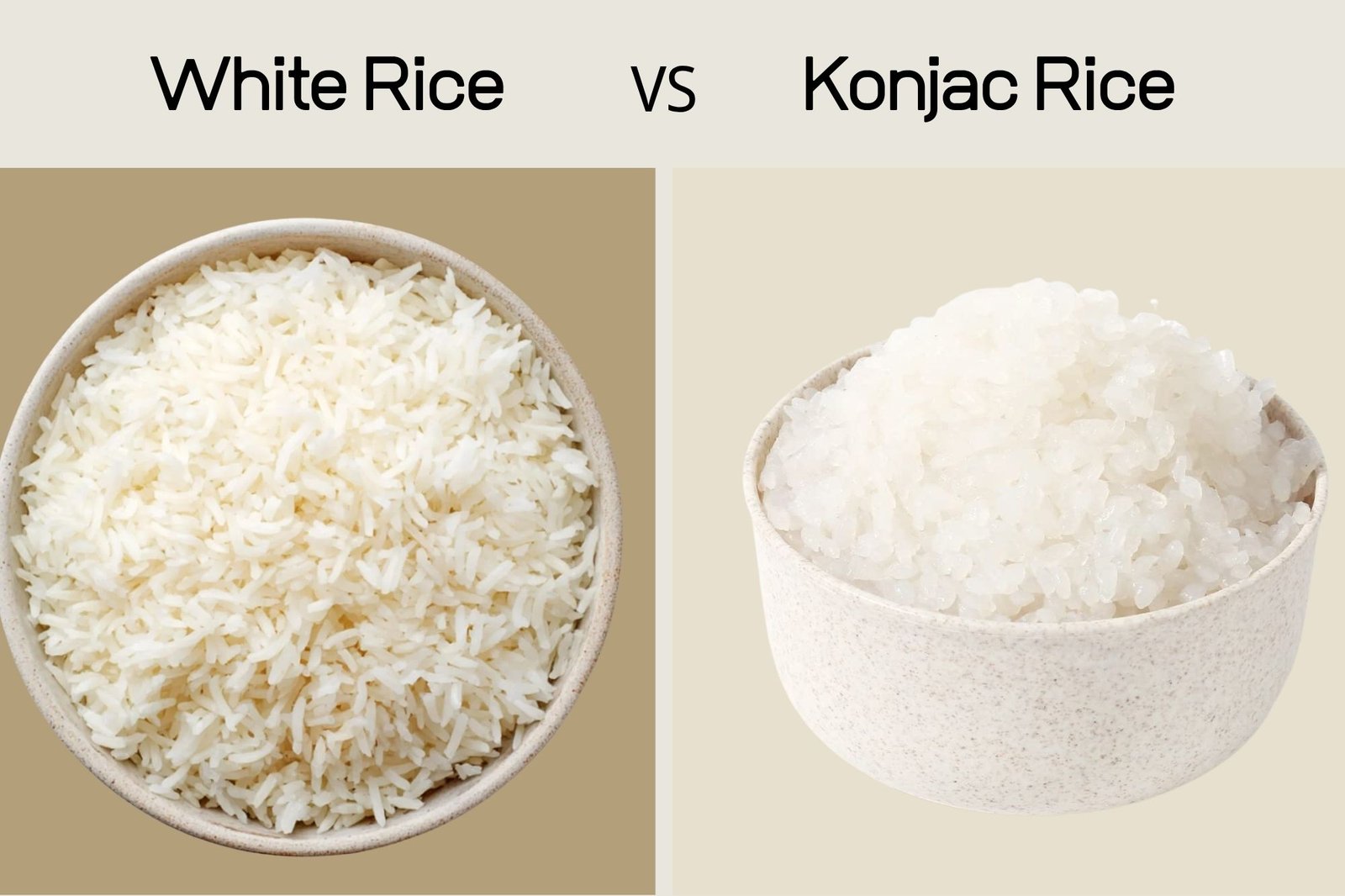
Traditional white rice is high in carbohydrates and calories. Konjac rice, by contrast, runs about 5–10 kcal per 100g.
The practical benefits:
- Supports weight management
- Helps with blood sugar control
- Provides strong satiety with minimal calories
B2B product applications (for brands & importers)
Konjac isn’t just an ingredient. It’s a flexible platform you can build multiple products around.
| Product type | Keywords | Best use cases |
|---|---|---|
| Wet shirataki | bulk shirataki noodles, konjac knots | Retail kits, restaurant supply |
| Dry konjac series | dried shirataki rice, dry konjac rice | E-commerce, long-distance shipping |
| Konjac powder | bulk konjac flour, glucomannan powder | Functional foods, thickener |
| Specialty shapes | konjac spaghetti, angel hair shirataki | Premium pasta alternatives |
Why choose Eastern Morning as your supplier
Picking the right supplier comes down to three things: quality, compliance, and scalability.
Full vertical integration
- Controlled planting bases
- 10,000+ m² automated production facility
- Complete traceability system
Global certifications
Our factory meets the international standards major retailers require:
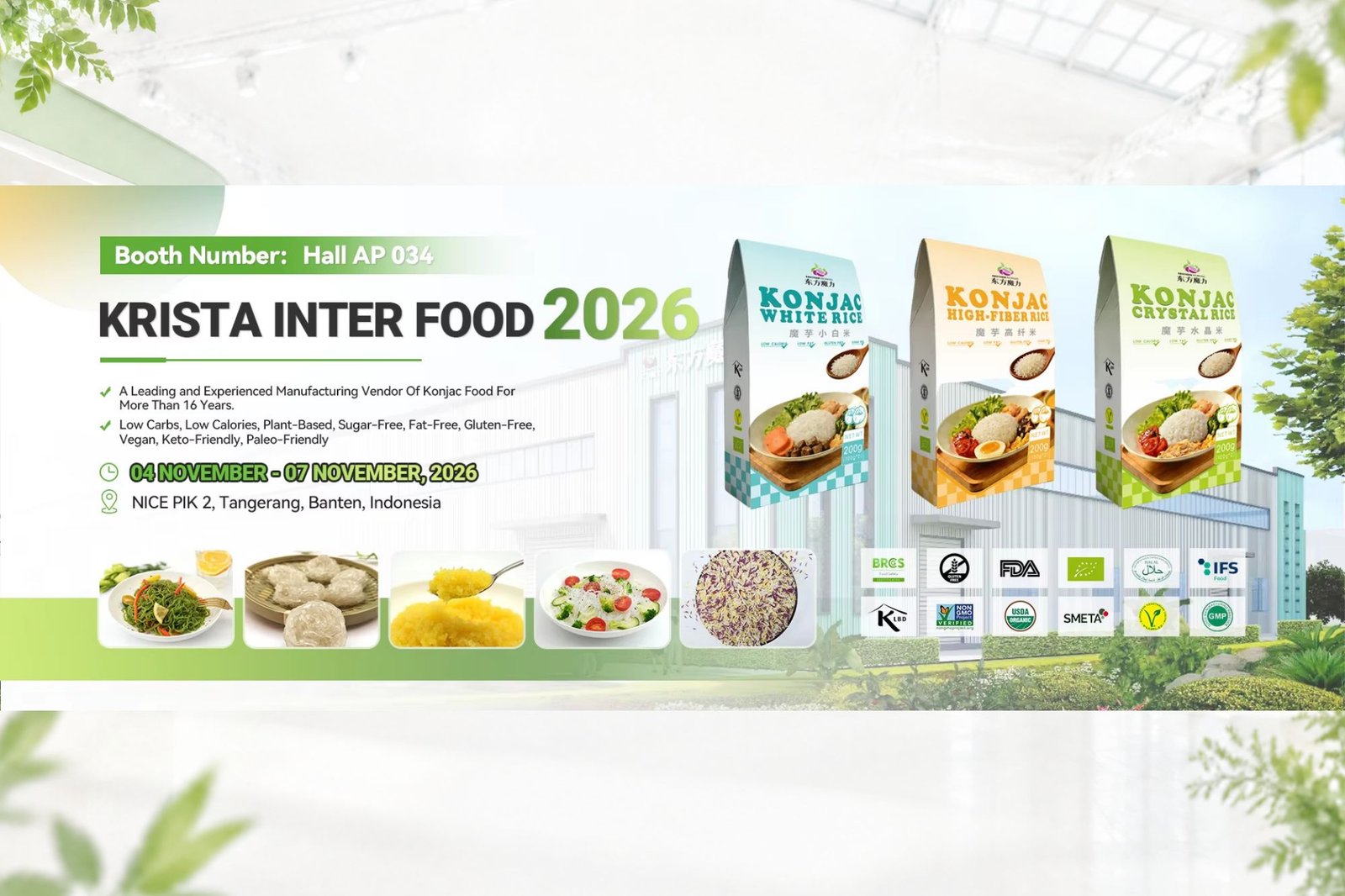
- BRCGS (Grade A)
- IFS Food
- HACCP
- Halal & Kosher
OEM / private label support
We work with brands at every stage:
- Custom product development
- Formula and texture optimization
- Packaging and branding solutions
FAQs about konjac for buyers
Can konjac replace instant noodles?
Yes. Konjac noodles offer similar convenience but with near-zero carbs and high fiber. They’re a healthier alternative.
What is the difference between konjac powder and konjac flour?
- Konjac powder (refined): Higher glucomannan purity, better functionality
- Konjac flour (basic): Lower concentration, varies by processing
Do you supply bulk shirataki rice?
Yes. We supply both wet shirataki rice (ready-to-eat) and dry konjac rice (long shelf life, shipping-friendly).
Capture the low-carb food opportunity
Global demand for low-calorie noodles, zero-carb rice, and functional fiber foods is growing fast. Working with a professional konjac manufacturer lets your brand launch faster, reduce sourcing risk, and keep product quality consistent.
Ready to develop your own konjac product line?
Partner with Eastern Morning to bring your ideas to market.
What you get:
- Free samples for testing
- Custom OEM / private label solutions
- Certified, export-ready production