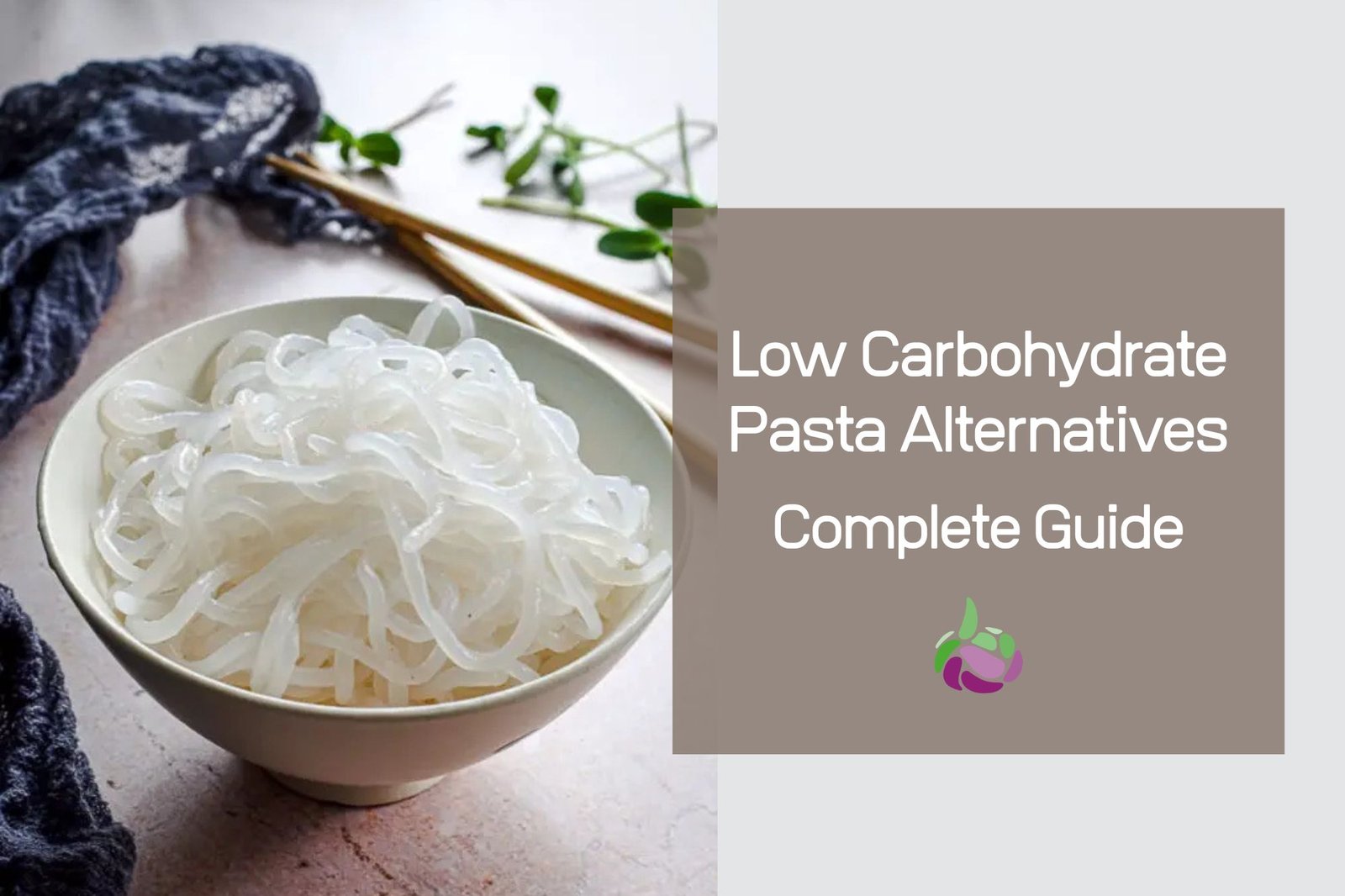
Your Options at a Glance
Strict keto or therapeutic carb restriction? Shirataki (0g net carbs) and tofu shirataki (3g) are your safest bets. Hearts of palm (2–4g carbs) offers the closest texture to wheat pasta while staying keto-compliant.
Prioritizing protein? Edamame pasta (24g protein, 10g carbs) and black bean pasta (25g protein, 8g carbs) deliver the highest protein-to-carb ratios. Both work well for diabetic management thanks to their low glycemic impact.
Can’t give up the real thing? Modified wheat pastas (7–17g carbs) provide authentic Italian texture and taste with roughly half the carbs of regular pasta. For fresh, whole-food alternatives, zucchini noodles and spaghetti squash offer 2–7g carbs with minimal processing.
Just reducing carbs, not eliminating them? Lentil pasta (15–20g carbs) and chickpea pasta (24–32g carbs) provide more protein and fiber than wheat pasta — though neither fits strict ketogenic protocols.
What This Guide Covers
This article serves as your complete hub for low-carb pasta alternatives, bringing together information from our in-depth guides. Instead of repeating the same product information across multiple articles, we’ve organized our content so each product has a dedicated deep-dive where you can find detailed nutritional breakdowns, cooking instructions, brand recommendations, and recipe ideas.
What Makes This Guide Unique:
- Comprehensive comparison of 10 products in one place
- Quick selection chart for easy decision-making
- Detailed analysis of Tofu Shirataki (protein-enhanced option)
- Complete buying guide with retailer recommendations
- Modified wheat pasta options for traditionalists
- Lentil pasta deep-dive for moderate low-carb diets
Quick Comparison: All 10 Low-Carb Pasta Alternatives
Use this comparison chart to quickly identify which low-carb pasta fits your dietary needs. Click “Learn More” links for detailed cooking methods, brands, and recipes.
| Product | Net Carbs | Protein | Texture | Best For | Learn More |
|---|---|---|---|---|---|
| Shirataki (traditional) | 0g | 0g | Chewy, gel-like | Strict keto, diabetes | → Guide |
| Tofu Shirataki | 3g | 3–6g | Tender, opaque | Keto, plant-based | ↓ Details |
| Hearts of Palm | 2–4g | <2g | Vegetable-tender | Keto, paleo | → Rice Guide |
| Edamame | 10g | 24g | Soft, mild | High-protein, moderate | → Keto Guide |
| Black Bean | 8g | 25g | Earthy, soft | Diabetic-friendly | → Diabetic Guide |
| Chickpea | 24–32g | 11–14g | Grainy, firm | Gluten-free (NOT keto) | → Diabetic Guide |
| Zucchini | 2–4g | Low | Crisp, fresh | Keto, whole-food | → Keto Guide |
| Spaghetti Squash | 4–7g | Low | Stringy, mild | Low-carb, paleo | → Keto Guide |
| Lentil | 15–20g | 10–15g | Hearty, whole-grain | Moderate low-carb | → Diabetic Guide |
| Modified Wheat | 7–17g | 17–24g | Authentic Italian | Reduced-carb traditionalists | ↓ Details |
Understanding Carbohydrate Content
Regular pasta contains approximately 43 grams of carbohydrates per serving—enough to exceed a full day’s allowance on a ketogenic diet (20–50g). The alternatives in our comparison use net carbs (total carbohydrates minus fiber), ranging from 0g to 32g per serving.
Net Carbs Explained: Net carbs = Total carbs – Fiber. Fiber doesn’t raise blood sugar, so we subtract it when counting carbs for keto and diabetes management.
Tofu Shirataki: The Protein-Enhanced Option
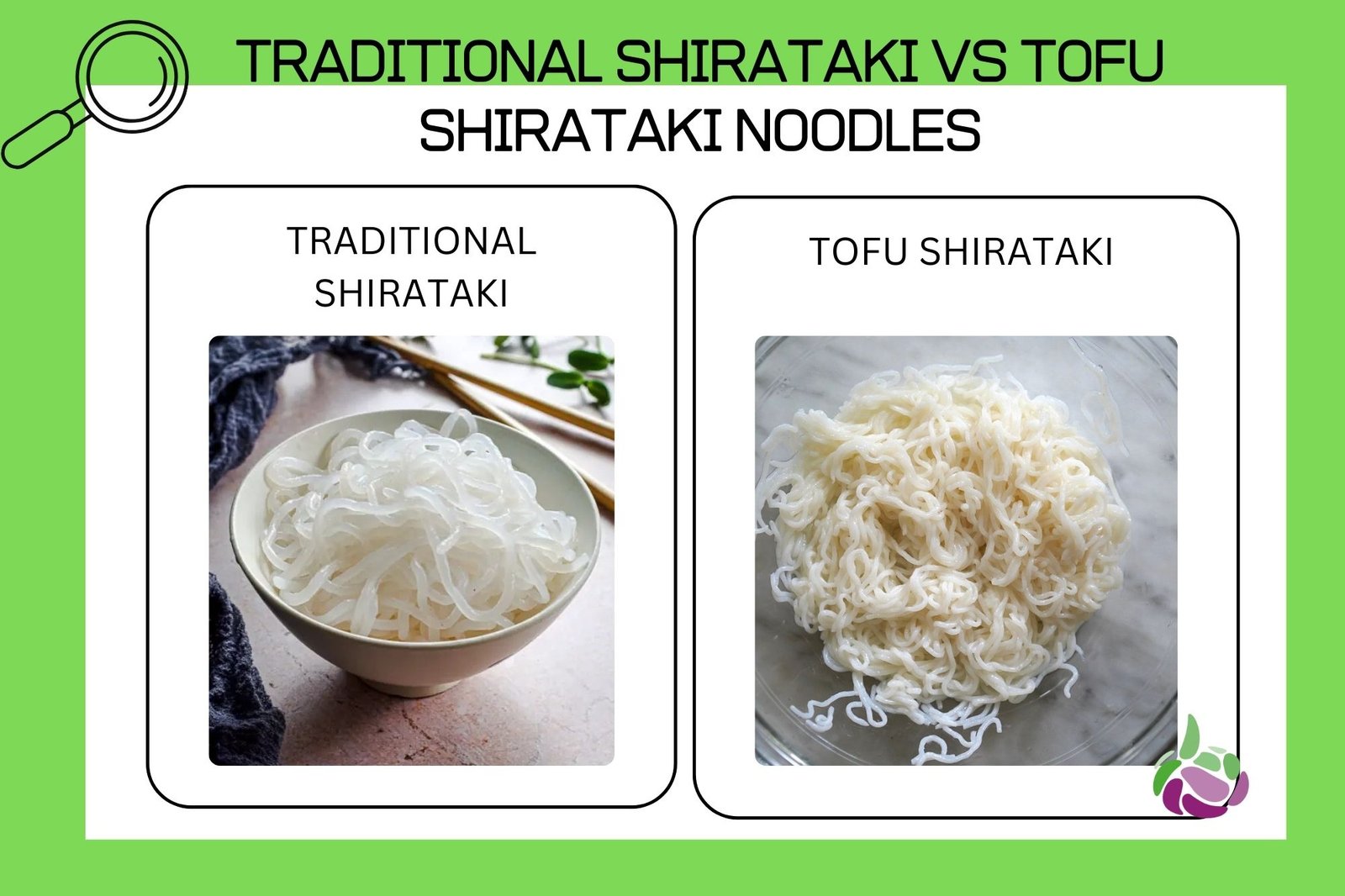
Tofu shirataki deserves special attention as the best starting point for many people switching from wheat pasta.
What Makes It Different
| Attribute | Traditional Shirataki | Tofu Shirataki |
|---|---|---|
| Net Carbs | 0g | 3g |
| Protein | 0g | 3–6g |
| Texture | Chewy, gel-like, see-through | Tender, better chew, opaque |
| Best For | Strictest carb limits | Enhanced protein, better pasta mimicry |
The extra protein (3–6g per serving) helps you meet your protein goals without adding meaningful carbs, while the texture change—from very rubbery to tender and more like pasta—makes it easier to adapt.
Preparation Tip: Tofu shirataki holds sauce better, which means you can use it with lighter dishes (garlic and oil, simple tomato). Dry-sauté time is slightly less (6–8 minutes) because it holds moisture differently.
Best suited for: vegetarian and vegan ketogenic diets—where getting enough protein while staying low-carb is especially hard—tofu shirataki solves the problem efficiently.
Lentil Pasta: Moderate Low-Carb Choice
Nutritional Profile
| Attribute | Specification |
|---|---|
| Net carbohydrates | 15–20g per serving |
| Protein | 10–15g |
| Fiber | High (6–10g) |
Lentil pasta is in the middle—better protein and fiber than wheat pasta, but still too high in carbs for keto. The hearty, whole-grain-like texture and earthy flavor support vegetarian, high-protein, and moderate low-carb applications where 15–20g net carbs fits into your daily plan.
Key Points:
- Barilla Red Lentil is widely available; specialty brands focus on organic sourcing
- Lower glycemic index (~30–40) makes it work for diabetes with portion management
Not suitable for: strict ketogenic diets due to carbohydrate content
Modified Wheat Pasta: For Traditionalists
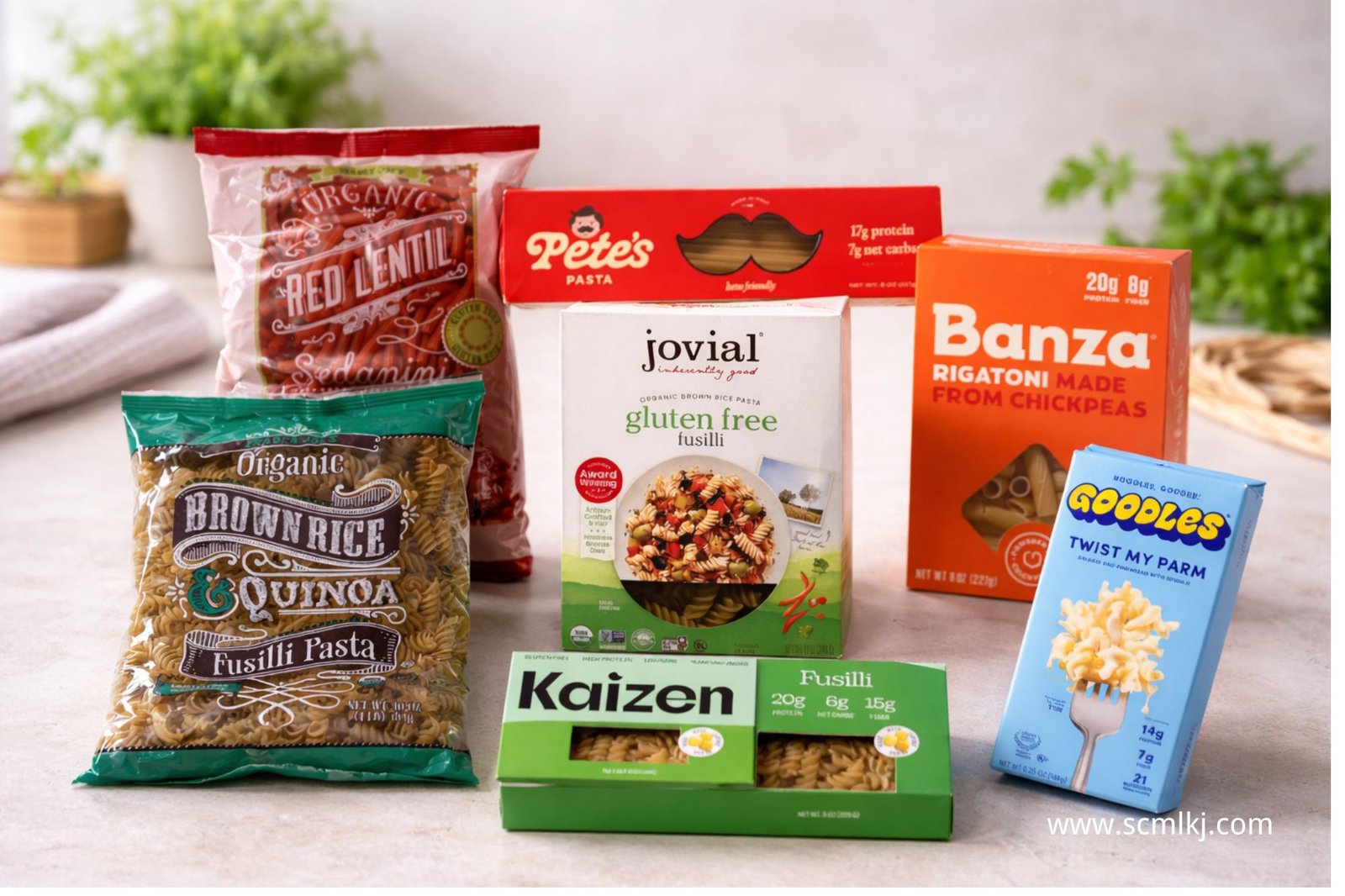
| Brand | Net Carbs | Protein | Key Technology | Texture |
|---|---|---|---|---|
| Pete’s Pasta (Low Carb) | 7g | 17g | Modified wheat starch + protein blend | Authentic Italian |
| Pete’s Pasta (No Carb) | 0g | 20g | Advanced enzymatic modification | Authentic Italian |
| Fiber Gourmet | 17g | Moderate | Resistant starch enrichment | Close to traditional |
| Pastabilities | 17g | 24g | Wheat + chickpea/soy/pea protein | Can’t tell from wheat |
| Carbe Diem | Variable | Moderate | Enzymatic starch modification | Traditional |
Modified wheat pastas keep the authentic pasta experience using advanced formulation—adding resistant starch, concentrating wheat protein, and enriching with fiber—while significantly reducing carbs. The sensory advantages are substantial: real al dente bite, familiar flavor, normal cooking behavior, and works with all types of sauces.
Important limitation: Contains wheat and gluten, which doesn’t work for people with celiac or gluten sensitivity, and 7–17g net carbs is still too high for strict ketogenic diets.
Best suited for: consumers prioritizing traditional pasta experience with reduced metabolic impact, moderate low-carbohydrate diets, and diabetic management with individual glucose response verification.
Where to Buy Low-Carb Pasta Alternatives
Strategic Buying Recommendations
For First-Time Buyers
Start with a Miracle Noodle variety pack on Amazon (~$25-30 for 6-8 packages). This lets you test multiple shapes (spaghetti, fettuccine, rice) without committing to a full case of one type. Once you know your preferred shape, switch to Subscribe & Save for 5-15% off regular deliveries.
For Convenience Seekers
It’s Skinny ready meals (Truffle Parm, Cacio e Pepe, Velvety Cheddar) cost more per serving (~$5-7) but require zero preparation—just heat and eat. Available at HEB, Publix, and Amazon. Best for office lunches or travel when you can’t cook.
For High-Protein Goals
Choose between Pastabilities (24g protein, 17g net carbs) for maximum protein with modified wheat texture, or Pete’s Pasta Low Carb (7g net carbs, authentic Italian taste) if you want traditional pasta experience with fewer carbs. Pete’s also offers a “No Carb” version (0g net carbs, 20g protein) through their website.
For Clean-Label Purists
The Only Bean and Explore Cuisine offer single-ingredient organic pastas (black bean, edamame, lentil) with full supply chain transparency. Available at Thrive Market (25-50% below retail) and Whole Foods. These cost 20-30% more than conventional brands but appeal to sustainability-focused buyers.
For Asian Cooking
Visit Asian grocery stores (H Mart, 99 Ranch) for shirataki in shapes rarely found at mainstream stores—udon-style thick noodles, thin somen, and specialized rice alternatives. Unit pricing is typically 30-40% lower than Amazon for identical House Foods products.
Purchase Channel Strategy
| Channel | Best Deal | Avoid When | Pro Tip |
|---|---|---|---|
| Amazon | Subscribe & Save on staples | First-time trials without reviews | Stack Subscribe & Save (15% max) with coupon codes |
| Thrive Market | Organic lines (25-50% off) | Single-item purchases | Annual membership pays for itself with 2-3 orders |
| Asian Markets | Bulk shirataki, varied shapes | Limited storage space | Check expiration dates—imports have shorter shelf life |
| Mainstream Grocery | Emergency restocks | Regular purchases (30-50% markup) | Kroger and Publix stock Nasoya tofu shirataki |
| Brand DTC | Exclusive flavors, bundles | One-off purchases | Pete’s Pasta & Miracle Noodle offer 15-20% first-order discounts |
Frequently Asked Questions
Q: What are the best low carbohydrate pasta alternatives for keto?
The best low-carb pasta options for keto include shirataki noodles (0g net carbs), tofu shirataki (3g net carbs), hearts of palm pasta (2–4g net carbs), and zucchini noodles (2–4g net carbs). These choices provide very low carbs while giving you pasta-like textures.
Q: How do shirataki noodles taste and what’s their texture like?
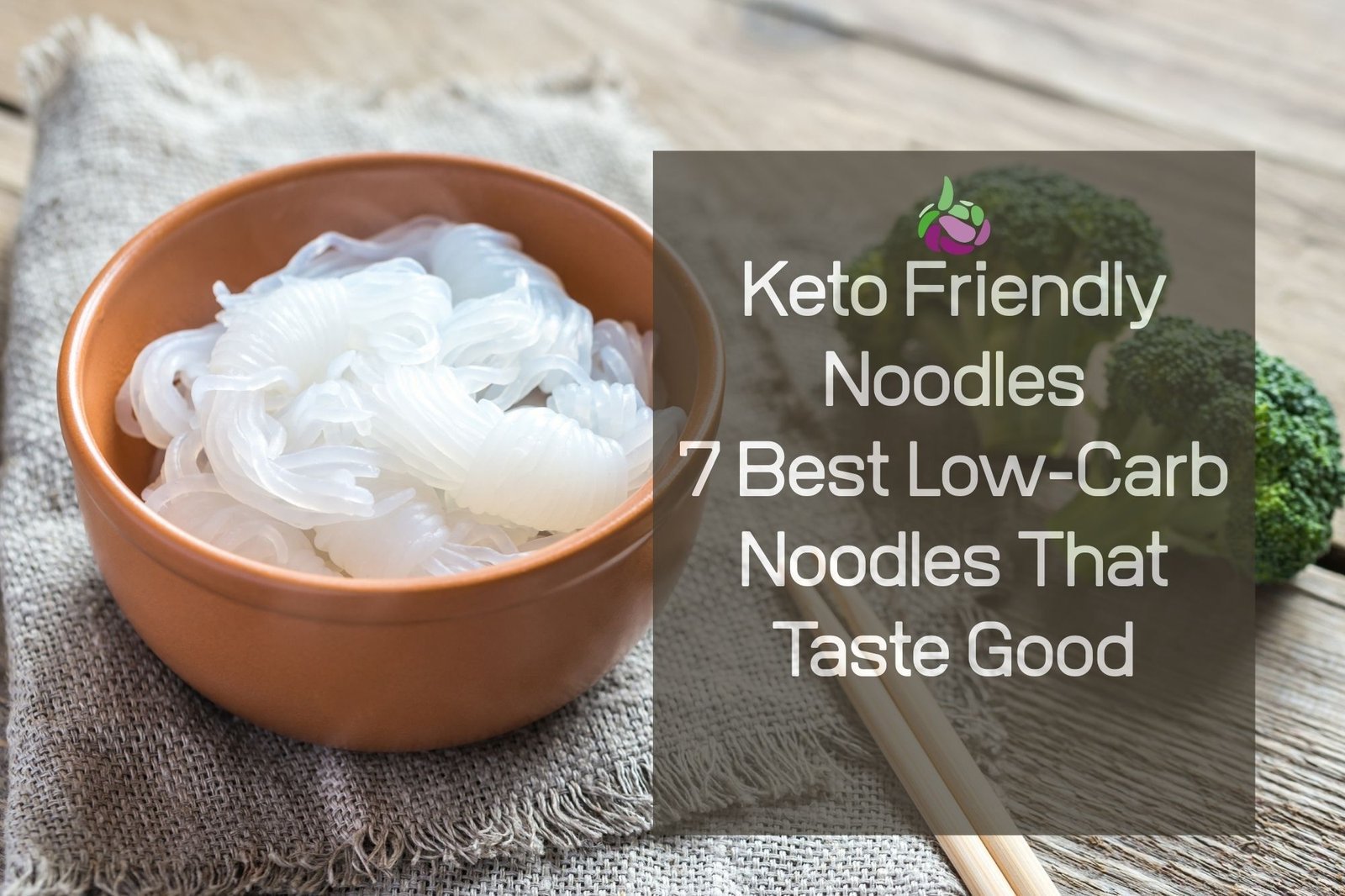
Shirataki noodles have a neutral flavor and chewy, gel-like texture. They require specific preparation (rinsing, boiling, and dry-sautéing) to achieve the best results.
Q: Are chickpea and lentil pastas actually low-carbohydrate?
No, chickpea and lentil pastas are not truly low-carb options. Chickpea pasta has 24–32g net carbs per serving, while lentil pasta has 15–20g net carbs. Both offer better protein and fiber than wheat pasta, but their carb levels are too high for ketogenic diets.
Q: What’s the difference between traditional shirataki and tofu shirataki?
Traditional shirataki is made of pure konjac flour and water with 0g net carbs and 0g protein. Tofu shirataki includes tofu (soybean curd), which gives it 3g net carbs and 3–6g protein per serving. Tofu shirataki has better texture, looks more like regular pasta, and has extra protein for plant-based eaters.
Q: Where can I buy low-carbohydrate pasta alternatives?
Low-carb pasta alternatives are available through: Amazon (biggest selection), mainstream grocery stores (Kroger, Whole Foods), Asian grocery stores (H Mart, 99 Ranch), and brand websites. Health-focused retailers like Thrive Market offer good prices on organic options.
Ready to Make the Switch?
Browse our low-carb pasta collection to find the perfect fit for your kitchen, or get in touch — we’re happy to help you choose.
This content is for informational purposes only. Consult with a healthcare provider before making significant dietary changes.