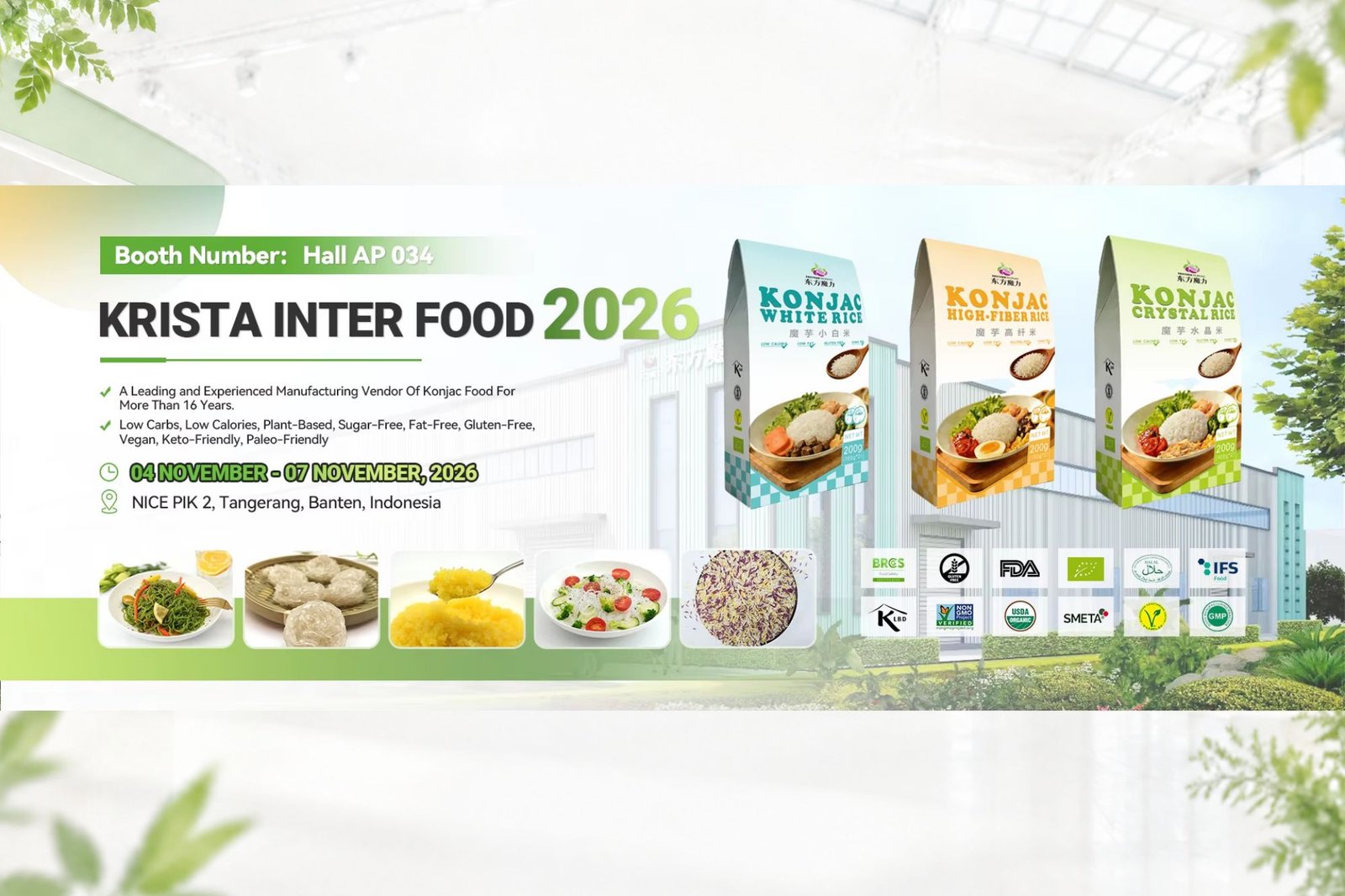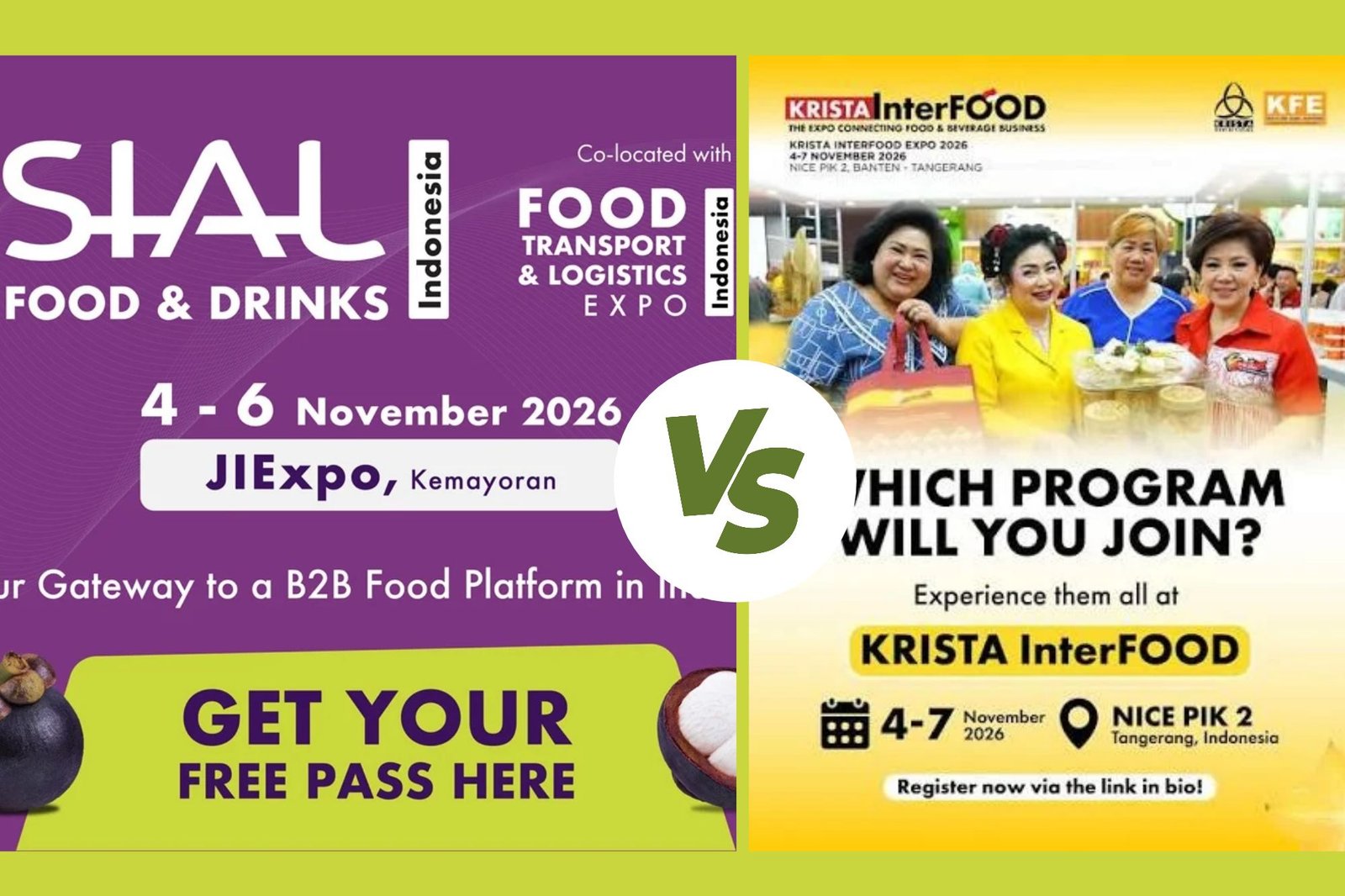
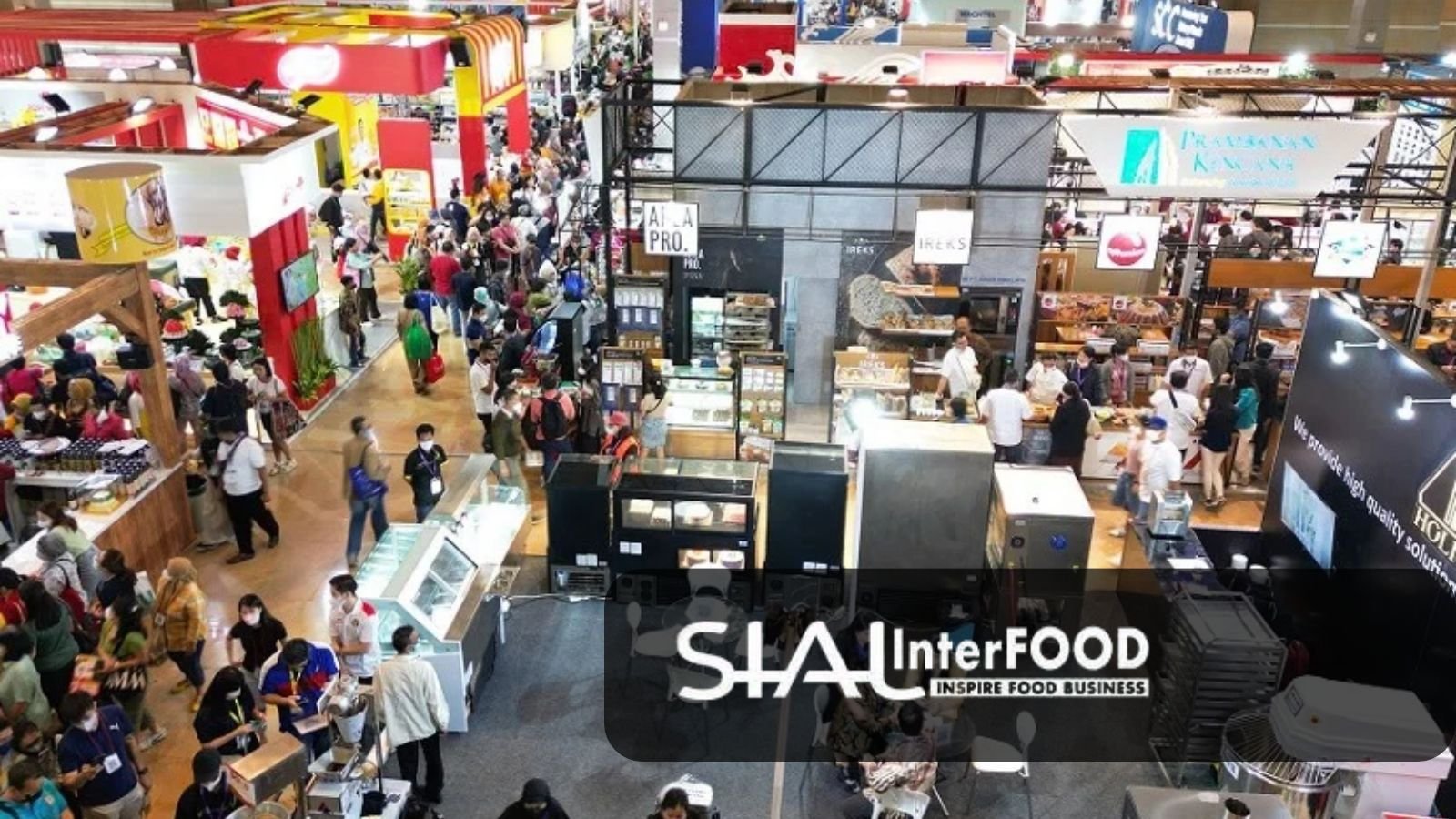
SIAL Interfood 2026, the 28th edition, takes place November 4–7, 2026 at JIExpo Kemayoran, Jakarta. The previous edition brought together 1,200+ exhibitors from more than 25 countries and regions across 50,000+ m² of exhibition space, and welcomed 85,000+ trade visitors from Southeast Asia, the Middle East, East Asia and beyond. Visitors include supermarket buyers, foodservice chains, food manufacturers, importers and ingredient distributors.
The show spans food ingredients, health and organic foods, Halal food, bakery and beverage, and processing and packaging machinery. For anyone building a healthy-food or functional-ingredient range for ASEAN, it is the region’s key sourcing event.
One category keeps rising on buyers’ shortlists: konjac-based foods and high-purity konjac glucomannan (KGM) fiber. This guide covers what is driving demand, what compliance you need, and how to choose a reliable manufacturing partner.
Why Indonesia and ASEAN Are Ready for Konjac
Southeast Asian diets are built on rice and noodles. As awareness of diabetes, obesity and metabolic health grows, the region’s buyers are moving from commodity trade toward value-added, functional and health-oriented products.
Three shifts stand out from recent editions:
- Demand for low-GI, low-carb staples. Consumers want familiar formats such as rice and noodles with fewer calories and less impact on blood sugar.
- Functional ingredients are in the spotlight. Brands sourcing hydrocolloids, dietary fibers and plant-based stabilizers are reformulating for clean labels.
- Processing know-how matters. Indonesia is a source of raw Porang (konjac) tubers and carrageenan, but high-purity konjac flour, compound and modified hydrocolloids, and finished products like rice, noodles and pasta depend on manufacturers with a complete supply chain and quality certifications. Many ASEAN buyers therefore look to established Chinese producers for these.
Four Food & Ingredient Trends to Watch at SIAL Interfood 2026
① Healthy staple substitutes go mainstream
Indonesia consumes enormous volumes of white rice. Low-GI, keto-friendly, zero-fat, low-calorie konjac rice (shirataki rice) and konjac noodles are moving from Japan, Korea and the West into ASEAN middle-class households and chain restaurants such as poke bowls and light-meal boxes.
Dry (dehydrated) konjac rice is the format to watch. Compared with traditional wet-pack products in alkaline liquid, it offers:
- Lower logistics cost: lighter and more compact to ship, with no liquid to drain or dispose of.
- Neutral odor: absorbs the flavor of curries, fried rice and stir-fries.
- Fast preparation: ready in minutes by boiling or steeping in hot water.
② Halal and regulatory compliance is the entry ticket
Under Indonesia’s Halal Product Assurance Law (JPH), mandatory Halal certification through BPJPH is now being enforced. Importers increasingly check for:
- Halal certification recognized in Indonesia
- BPOM registration for imported food products
- Food safety systems: BRCGS, IFS, HACCP, ISO 22000
Ask any supplier for documents and audit reports before you invest in samples.
③ Clean label and functional fiber
Konjac glucomannan (KGM) is a natural, water-soluble dietary fiber and hydrocolloid. Its applications are growing in:
- Plant-based meat: binder, texturizer and fat replacer
- Low-fat dairy and bakery: thickening and moisture retention
- RTD beverages, jellies and bubble tea toppings: gelling and suspension
- Meal-replacement powders and shakes: soluble fiber boost
④ Snackification and ready-to-cook formats
Younger Indonesian consumers are driving interest in konjac jelly, seasoned konjac snacks, and no-cook or microwave-ready konjac meals. These are attractive to private-label brands and modern retail because of their strong shelf appeal and easy trial size.
Sourcing Checklist: Choosing a Konjac OEM/ODM Manufacturer
Whether you meet suppliers at SIAL or elsewhere, favor factories with end-to-end control over trading intermediaries. Use this checklist:
| Criteria | What to look for |
|---|---|
| Origin & processing | Control over raw konjac sourcing and refining, with traceable batches |
| Product range | Wet shirataki, dry konjac rice, konjac pasta (penne, fettuccine), jelly, KGM powder |
| Certifications & audits | Halal, BRC, IFS, HACCP, Kosher, FDA registration; documents current and verifiable |
| R&D & customization | Adjustable texture, fiber content, flavor, pack format and shelf life for your market |
| Flexibility | Private label, small-batch trials, bulk ingredient supply, export documentation support |
About Eastern Morning (SCMLKJ)
Sichuan Eastern Morning Biological Technology Co., Ltd. (Eastern Morning) is a Chinese konjac manufacturer serving global B2B customers with private-label, OEM/ODM and bulk solutions:
- Dry Konjac Rice (Dehydrated Shirataki Rice): a low-calorie staple substitute
- Shirataki Noodles & Konjac Pasta: zero fat, low calorie, gluten-free
- Konjac Jelly & Ready-to-Eat Snacks: for modern retail and younger consumers
- High-Purity Konjac Powder / Dietary Fiber: for functional food and beverage formulation
- Custom packaging: retail pouches, meal-kit sachets and bulk ingredient totes
FAQ
What is the difference between dry and wet konjac rice?
Wet konjac rice is packed in liquid and must be rinsed and drained. Dry konjac rice is dehydrated, lighter to ship, odor-free and cooks in minutes.
Which certifications do Indonesian importers usually require?
Halal (BPJPH-recognized) and BPOM registration are the baseline. Larger retail and foodservice buyers also ask for BRCGS, IFS, HACCP or ISO 22000.
Can konjac be used as an ingredient rather than a finished food?
Yes. KGM works as a fiber, gelling agent, binder and fat replacer in plant-based meat, beverages, dairy alternatives and bakery.
Talk to Us About Your 2026/2027 Konjac Range
Building a private-label konjac line or looking for a dependable KGM supplier? Contact the Eastern Morning team for samples, spec sheets and OEM/ODM quotations.
📩 Send your inquiry via https://scmlkj.com/contact/